Anyone Can Press the Button: Creativity from the Camera to AI
What photography and a career in marketing taught me about creativity, changing tools, and the value of a point of view.
Published
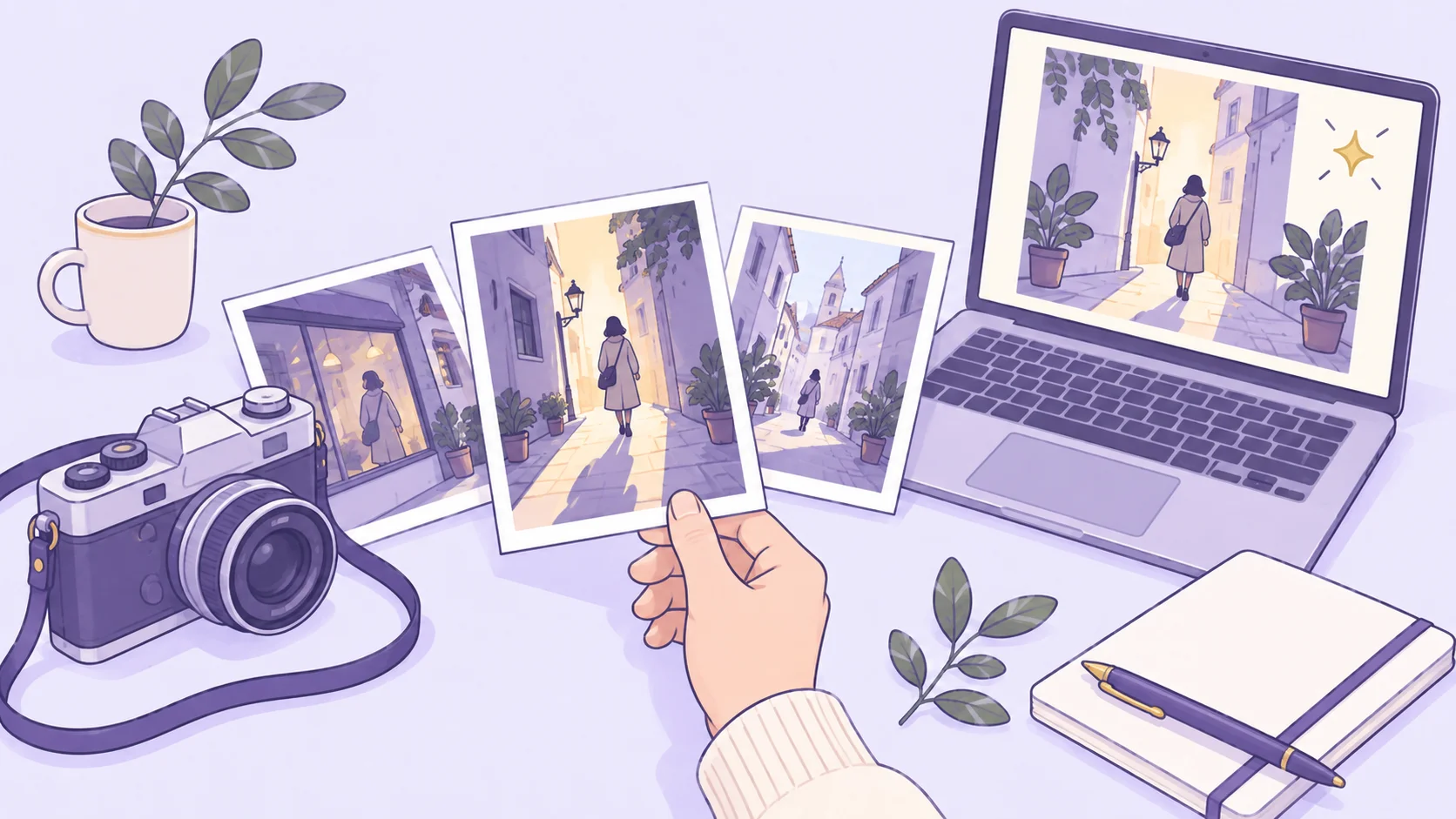
I’ve always enjoyed photography, but what stays with me isn’t the machinery of taking a picture. It’s the act of noticing: what catches my eye, what feeling I want an image to carry, and what I decide is worth keeping. It took me longer to see the same distinction in my own work, where I once thought being creative meant doing everything with my own hands.
After I stopped moving things around on the page
Early in my marketing career, I did a lot of hands-on creative work. I remember using Illustrator to edit event brochures: moving elements into place, adjusting the layout, getting the text and visuals to sit together properly. It was detailed, sometimes repetitive work, but I liked the control. If something wasn’t quite right, I could open the file and fix it myself.
When I became a marketing manager, I began working closely with a professional creative team, and the way I contributed changed. I was no longer the person making every adjustment to a brochure or a campaign visual. At first that felt strange. I wondered whether I was contributing less creatively because I was doing less of the execution. Making something with your own hands carries an immediate kind of satisfaction, and when someone else does that part, your contribution can feel less visible, even to you.
The longer I worked with creative specialists, the more I saw what this division of work made possible. They brought visual expertise, ideas and attention to detail that I didn’t have in the same depth, and they could execute many things faster and better than I could. That left me room to concentrate on a different set of questions: what message we were trying to send, and whether the creative direction made it clearer and more memorable.
Their expertise became leverage for mine, and mine for theirs. I could set a direction and work with people who knew how to develop it into something stronger than I could have produced alone. My impact grew because each of us was making the kind of judgment we were best placed to make. I hadn’t stopped making creative decisions; I had stopped making all of them at the same level. I hadn’t become less creative when I stopped moving things around on the page. My part of the work had moved up the value chain, from carrying out the task to deciding what it should be.
What the button didn’t decide
What happened in my career has happened to whole creative fields, again and again, whenever a new tool lowered the barrier to execution. Photography is the clearest example. In 1888, George Eastman introduced a handheld camera with a promise that must have sounded remarkable to people used to far more demanding photographic processes:
“You press the button, we do the rest.”
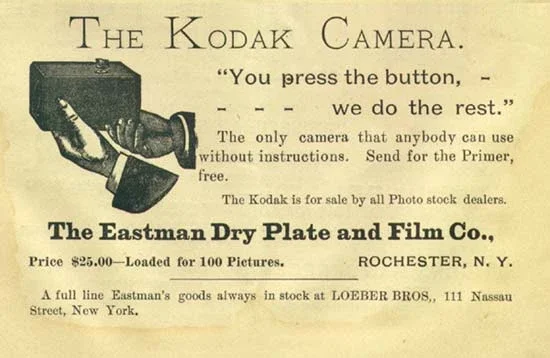
The early Kodak brought photography within reach of people who didn’t know how to develop film or make prints. The technical work hadn’t vanished; much of it was simply being done somewhere else.
The promise was about access and convenience, and it didn’t settle a larger argument already underway in the nineteenth century: could photography be art when a machine played such a central role in making the image? In her essay Pictorialism in America for the Metropolitan Museum of Art, the art historian Lisa Hostetler describes how photographers around the turn of the twentieth century argued for their medium’s place among the fine arts. Some used labor-intensive printing processes and painterly effects to make the photographer’s hand visible. Others explored what photography’s own qualities could express: light, composition, tone and the organization of a moment.
That second path is the one that matters to me. Photography didn’t have to stop being photographic to become expressive. A photographer could use a machine and still bring something personal to what it recorded.
I’ve spent years photographing the places I visit, and I keep some of that work in my personal photography gallery. What I love about looking back through photographs is that they show more than what was in front of the lens. They also reveal, however quietly, what somebody chose to notice.
Making an image possible and deciding what it should say are different parts of creating it. The camera changed the first. It never made the second irrelevant.
Design software repeated the pattern a century later. Desktop publishing in the 1980s brought page layout, and the combination of text and images, onto personal computers. Photoshop, released in 1990, put powerful image editing on a desktop instead of only on costly specialized systems. Individuals and small teams could suddenly do far more for themselves.
Neither tool turned everyone into a good designer or photographer, and professional craft kept its value. What changed was that tasks once demanding special equipment or a complicated production process became easier to attempt, repeat and revise. When a layout can be revised in minutes, there is room to compare alternatives; when image editing is within reach, more people can try out visual ideas. The technical barriers fall, and someone still has to decide whether an edit helps, whether a layout communicates, and whether a visual direction suits the people it is meant to reach.
Skilled execution still matters. A great photographer, illustrator or designer brings craft and judgment together. But the difficulty of an operation has never been the measure of the result’s value. Each time a tool lowers the barrier to execution, the value of the idea and the judgment behind the work becomes easier to see.
What the tool can’t supply
AI has taken over more of the execution than any tool before it, and working with it feels familiar. This is how I work with AI: it handles much of the execution, while I decide the direction, judge the results and choose what is ready. It reminds me of working with that creative team — the specialists did much of the execution, and I held the idea and the judgment. Their skill made the work faster and kept the quality high; my ideas and judgment gave it more impact and raised the ceiling on what it could become.
But while AI has put the tools within everyone’s reach, it hasn’t done the same for taste. Imagine two photographers on the same street corner with identical cameras. One waits for a passerby to step into a shaft of light; the other turns toward a reflection in a window. They choose different frames and different moments, and come home with photographs that barely resemble each other. The camera gives them the ability to capture a scene. It doesn’t decide which part of that scene is worth showing.
AI image tools work the same way, on a far larger scale. Anyone can now explore scenes, styles and compositions that once took a different set of skills and far more time. Access to the tool, however, doesn’t supply the idea behind an image, or the taste to know when it’s right.
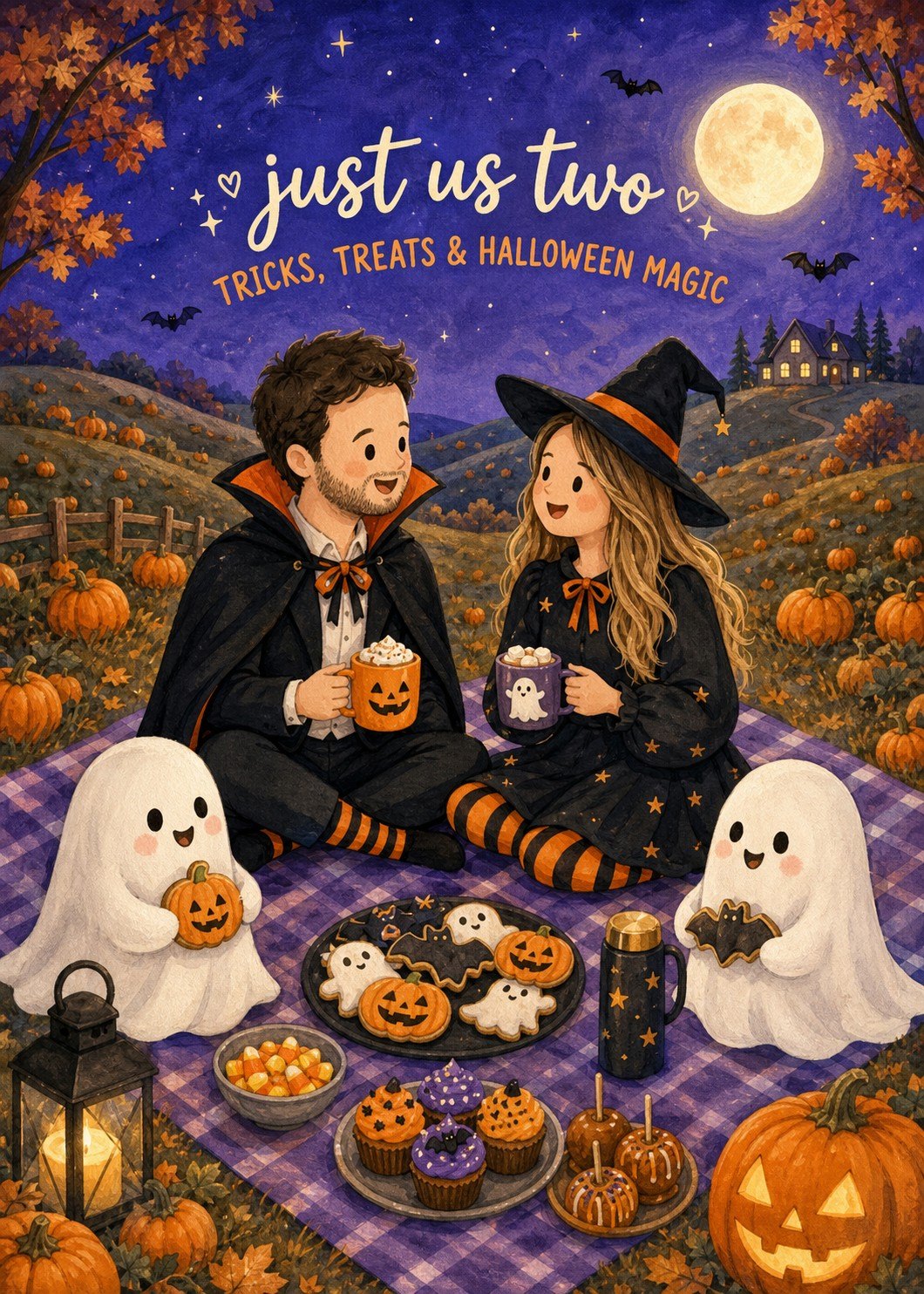
Halloween is a good example. Give several creators the same theme and similar AI tools, and one will imagine something eerie and theatrical while another reaches for slapstick. When I developed The Skeleton’s Halloween Scarf, I was drawn to something warmer and more storybook.
A skeleton has no need for a scarf, which is exactly why someone knitting one for him is both funny and touching, and every detail, from the patient, puzzled skeleton to the yawning cat, serves that one idea. That is the difference between a Halloween image and a Halloween idea. The theme and the tool open possibilities; the creator gives them a point of view.
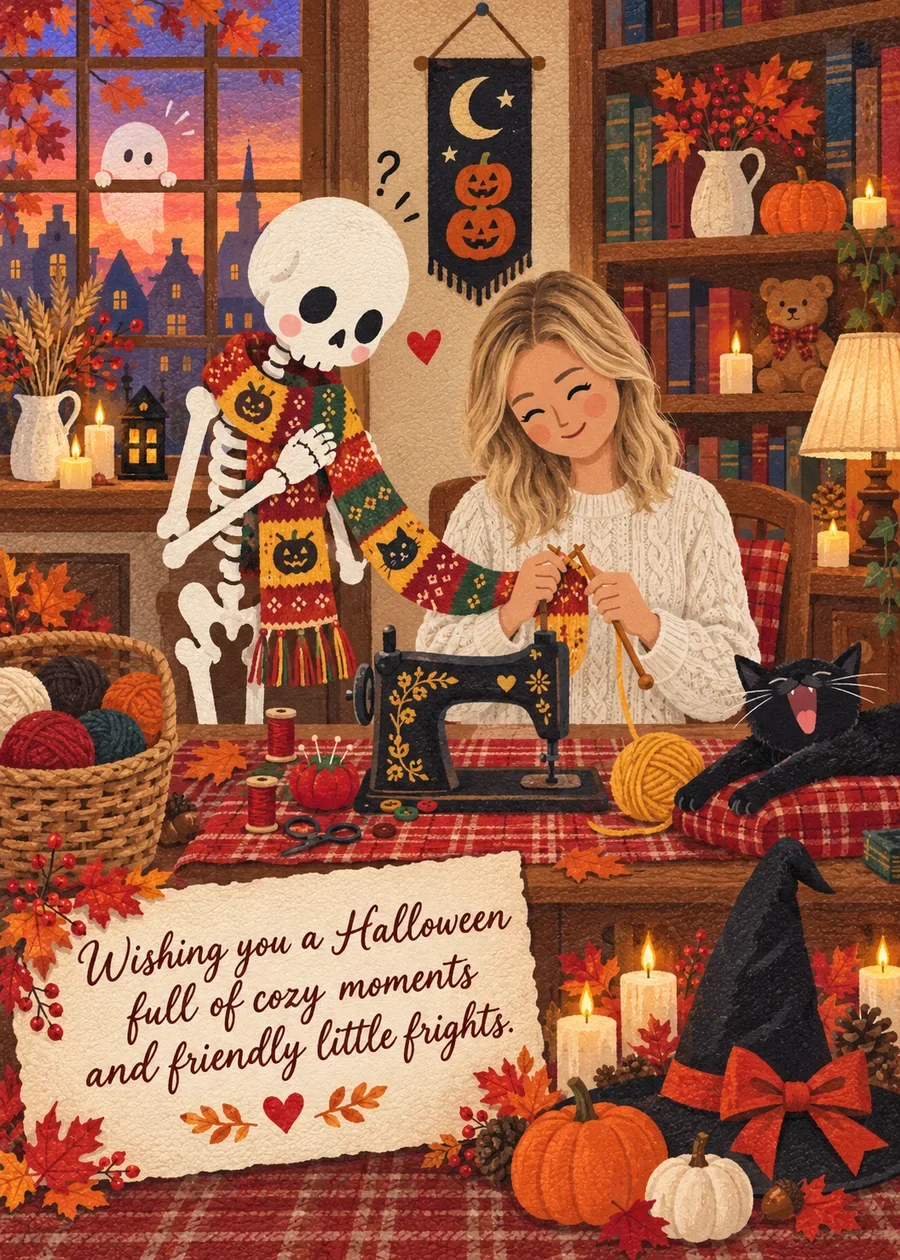
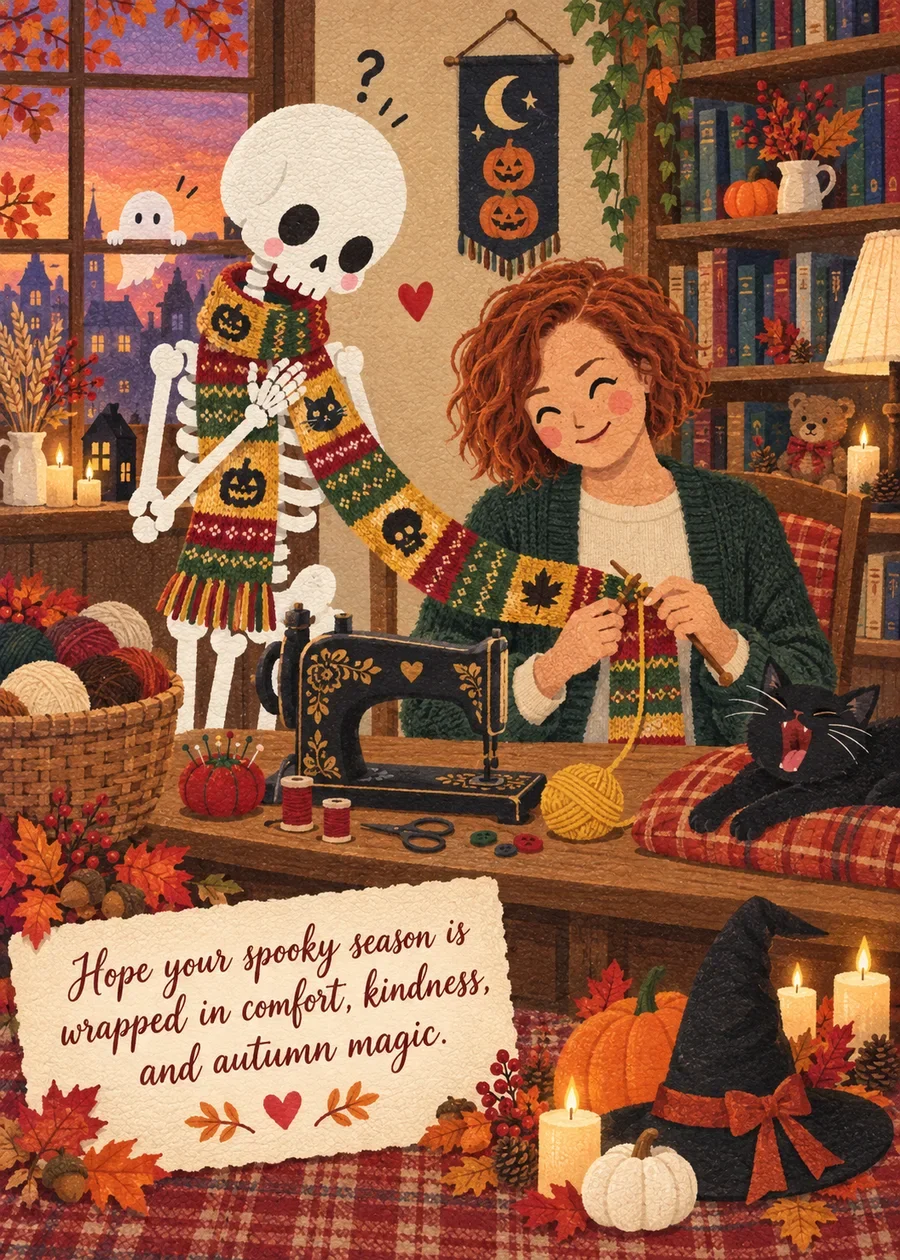
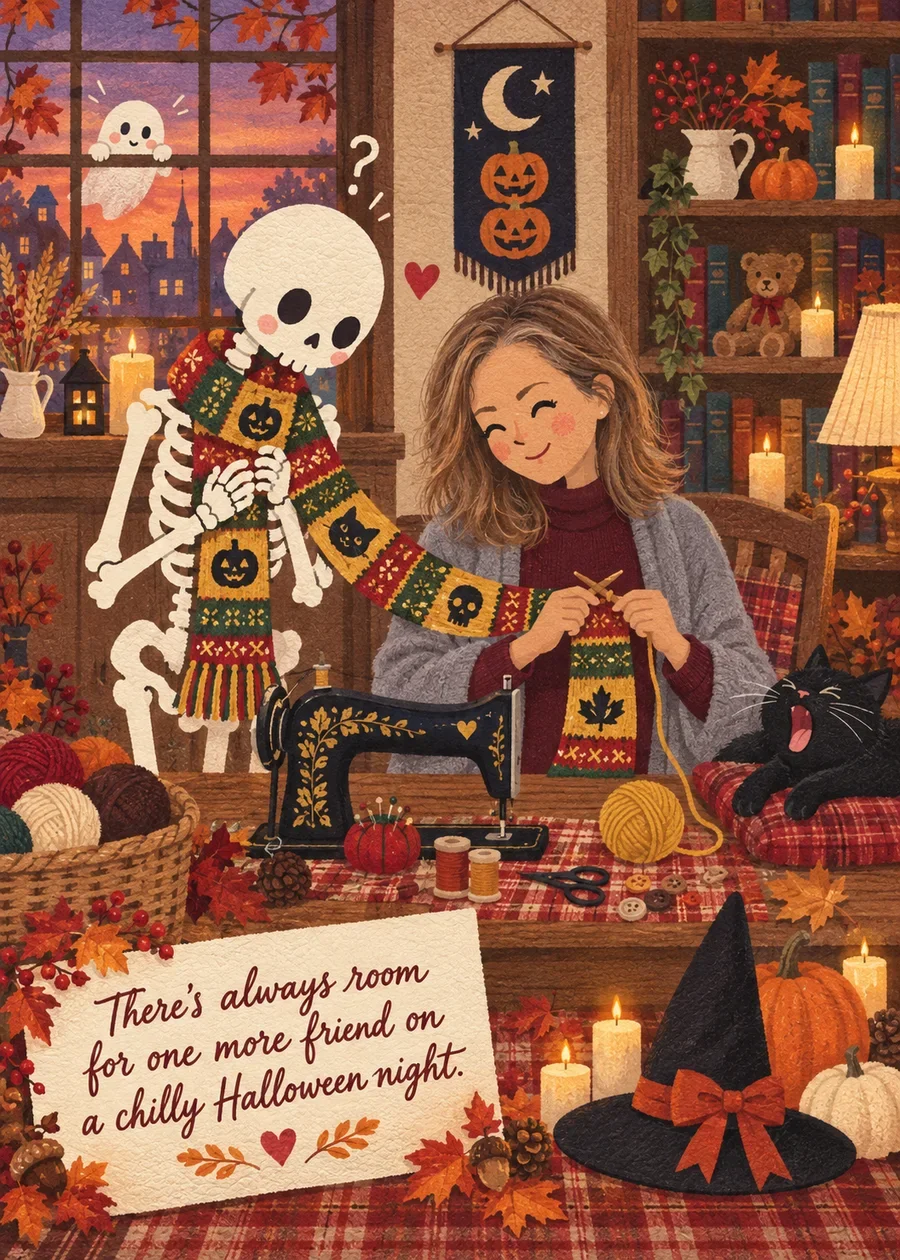
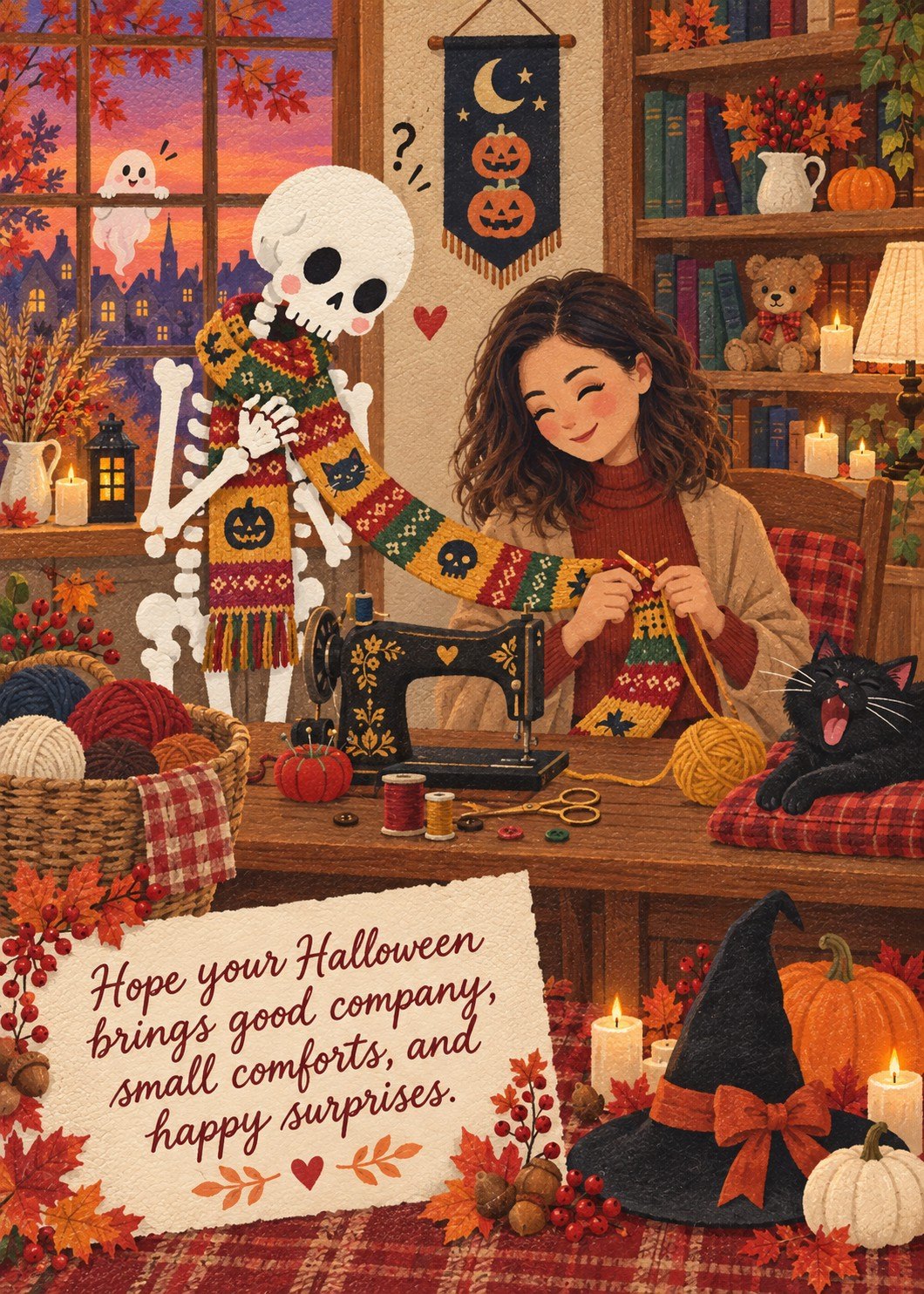
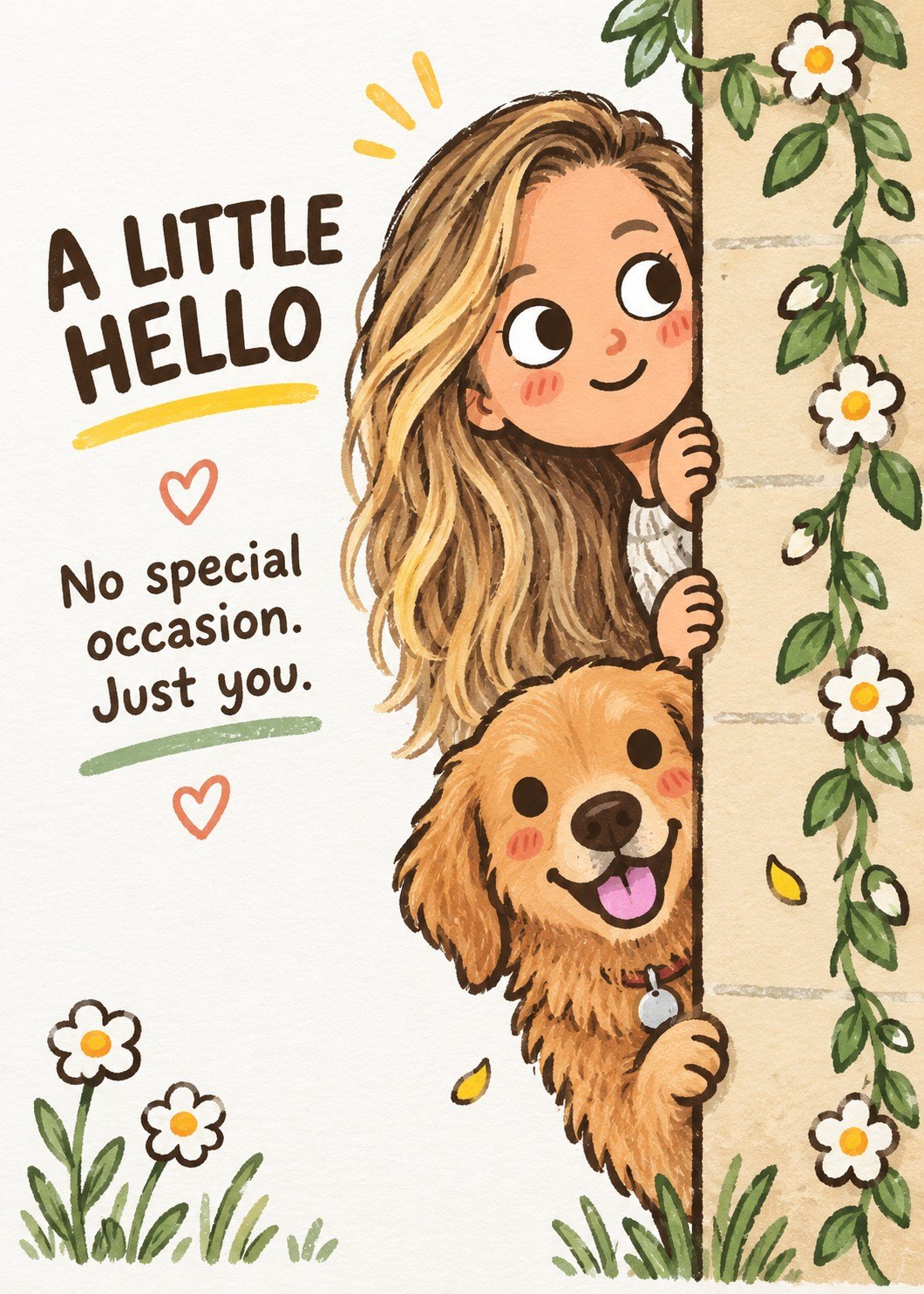
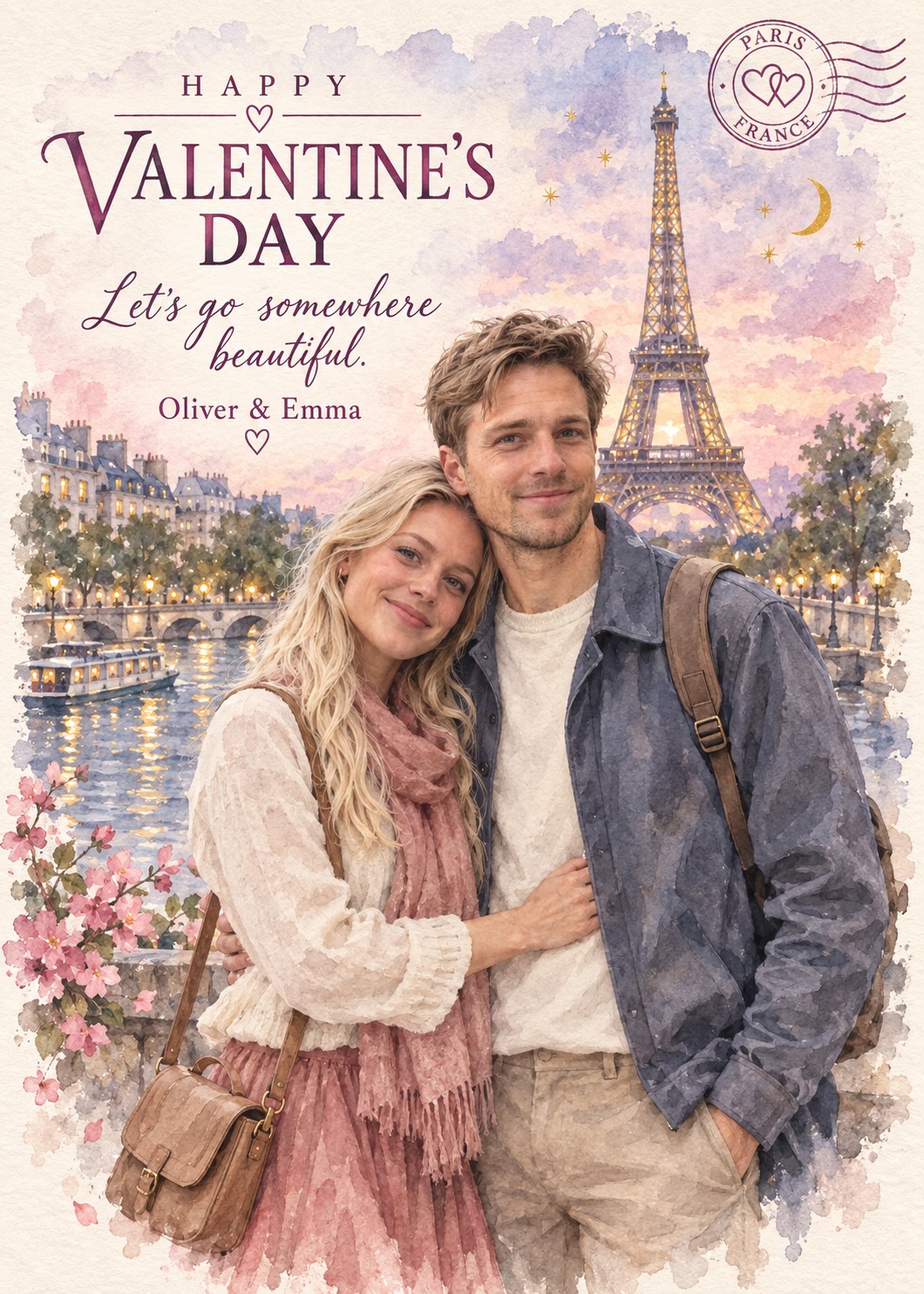
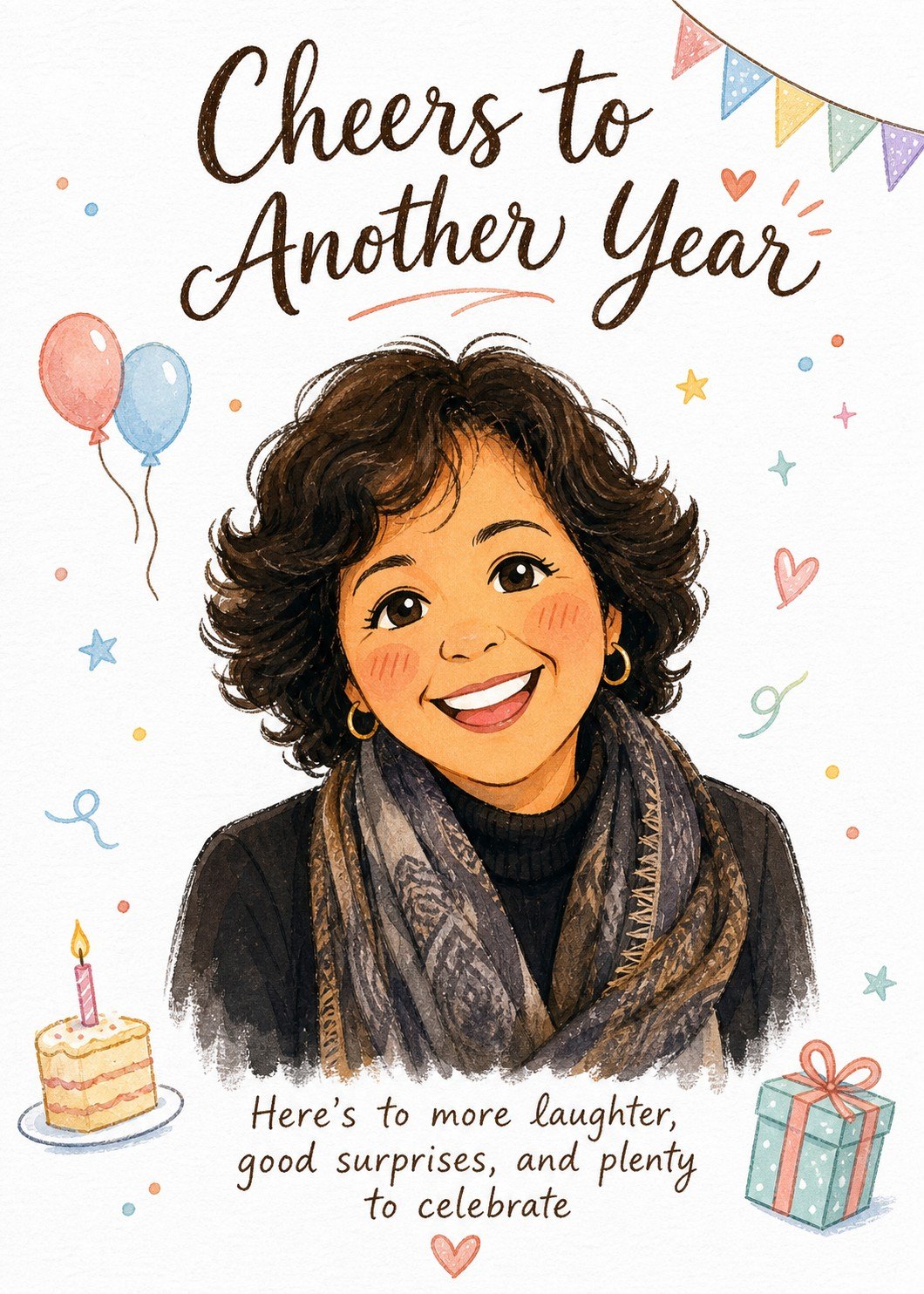
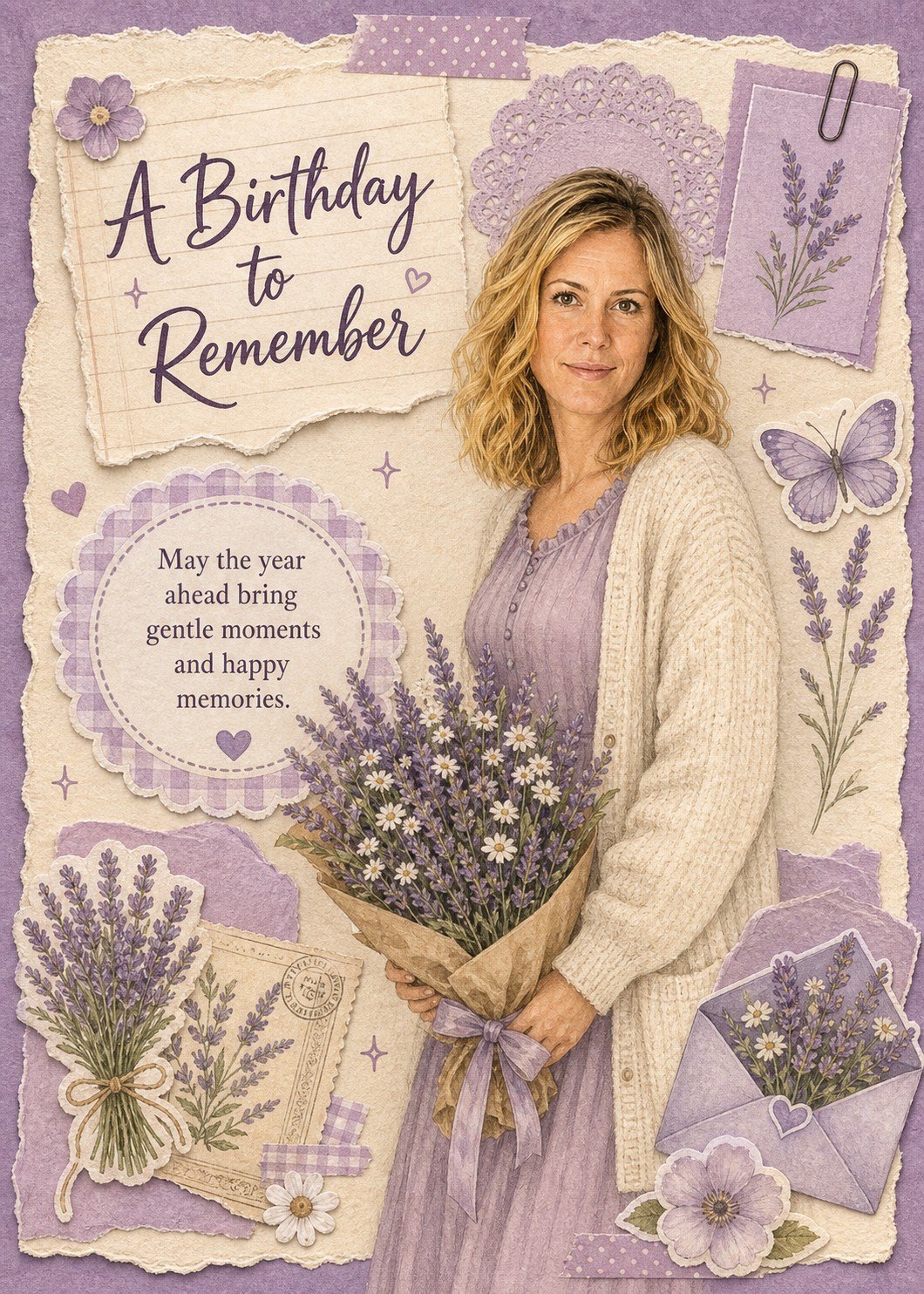
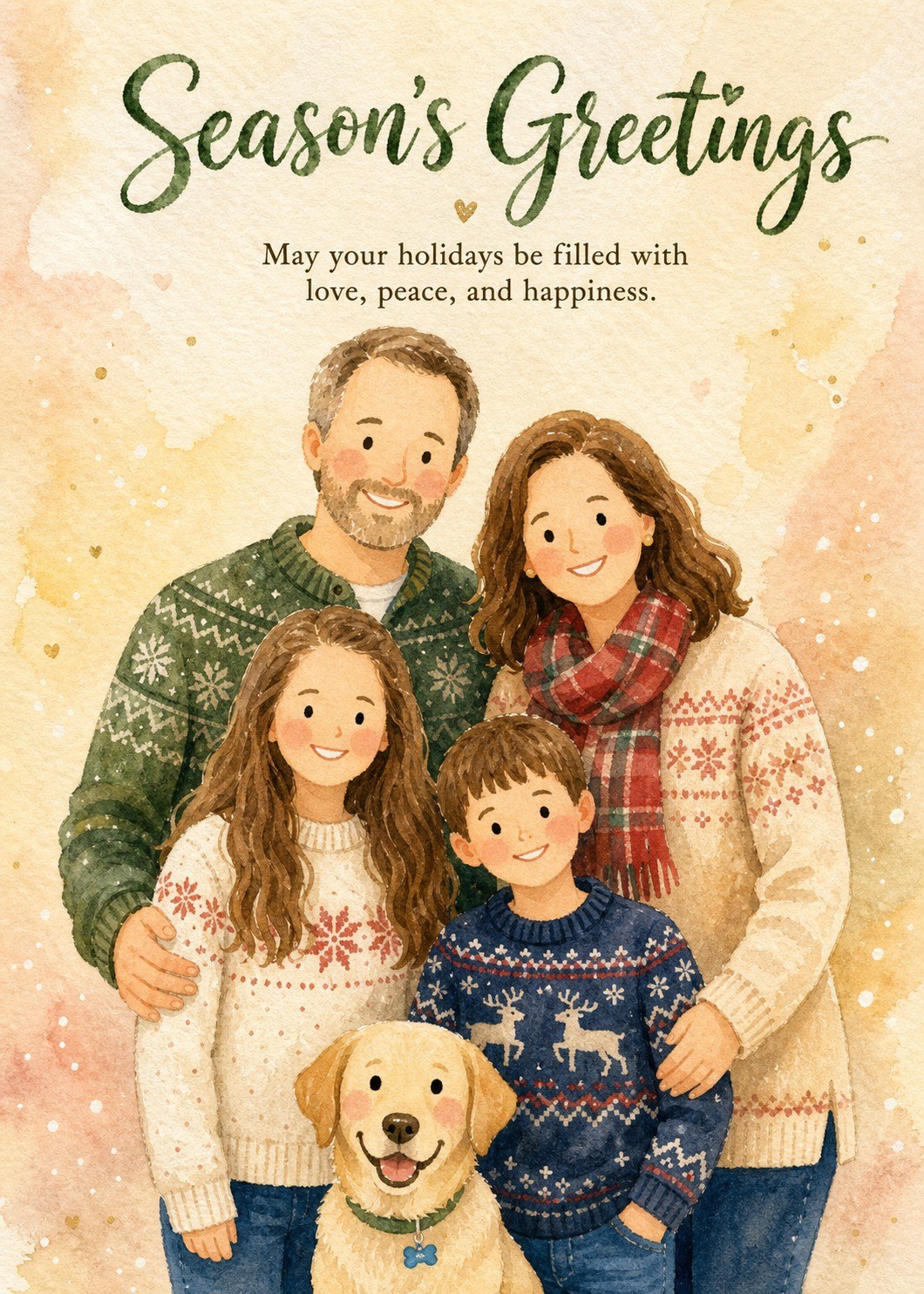
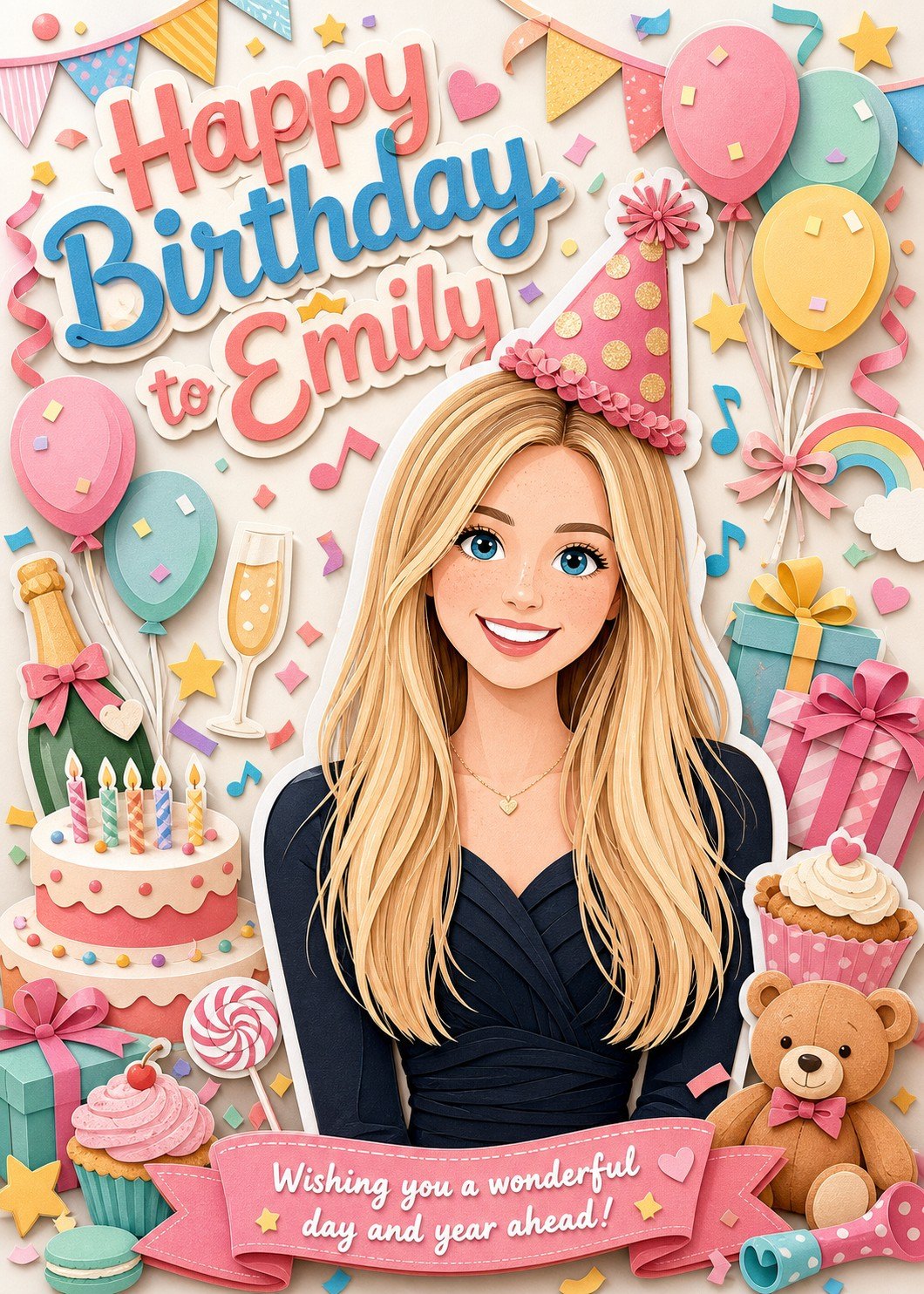
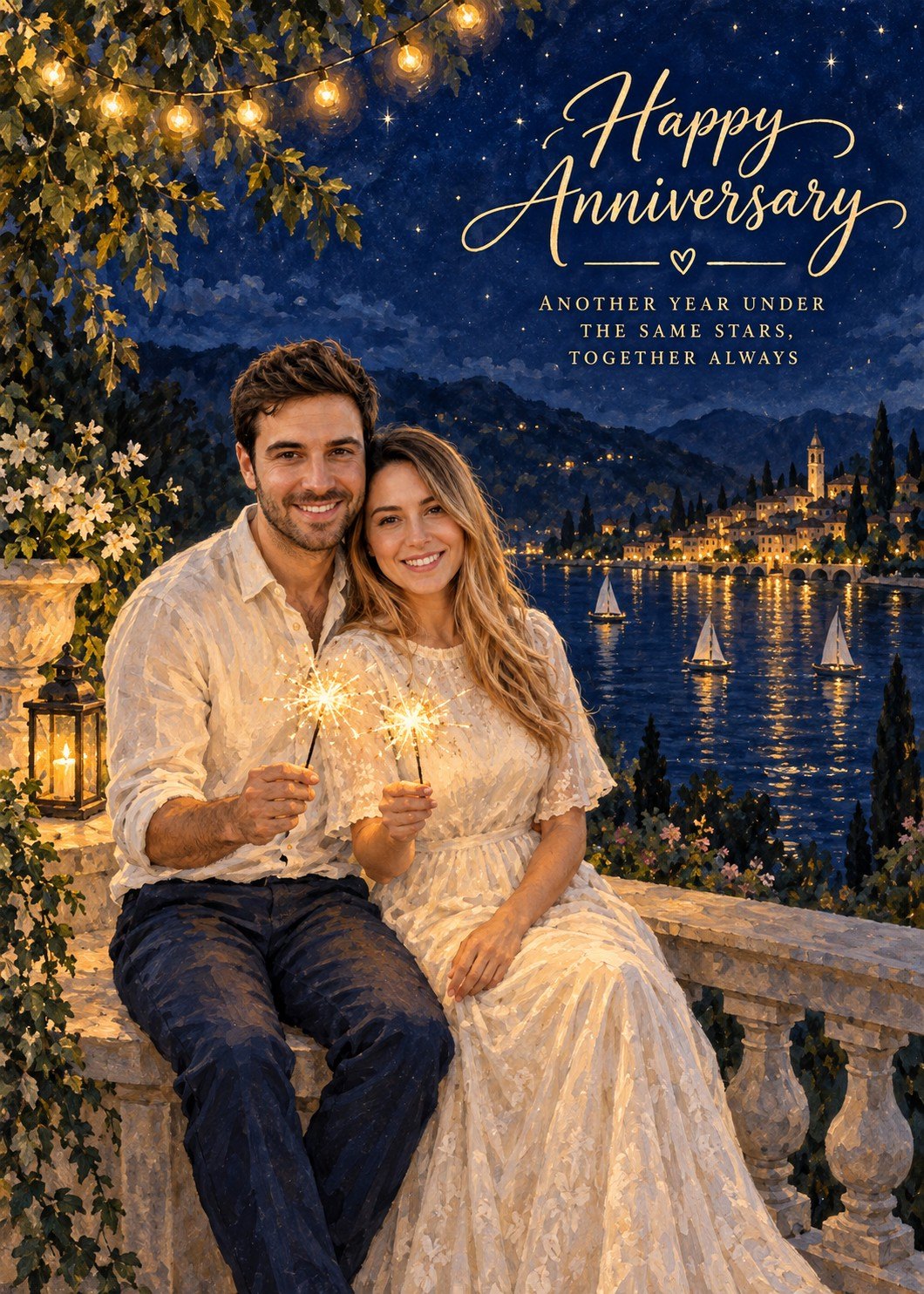
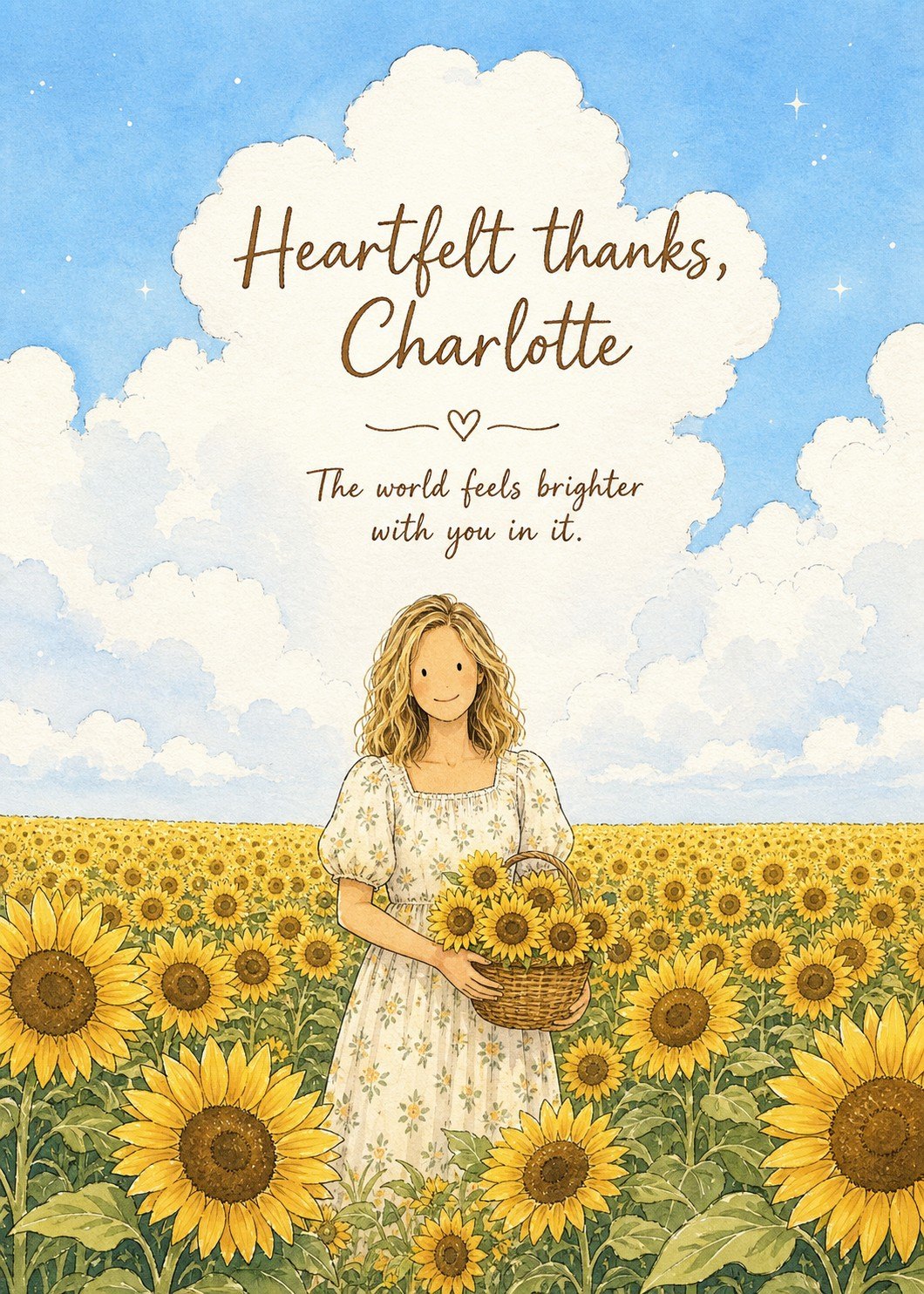
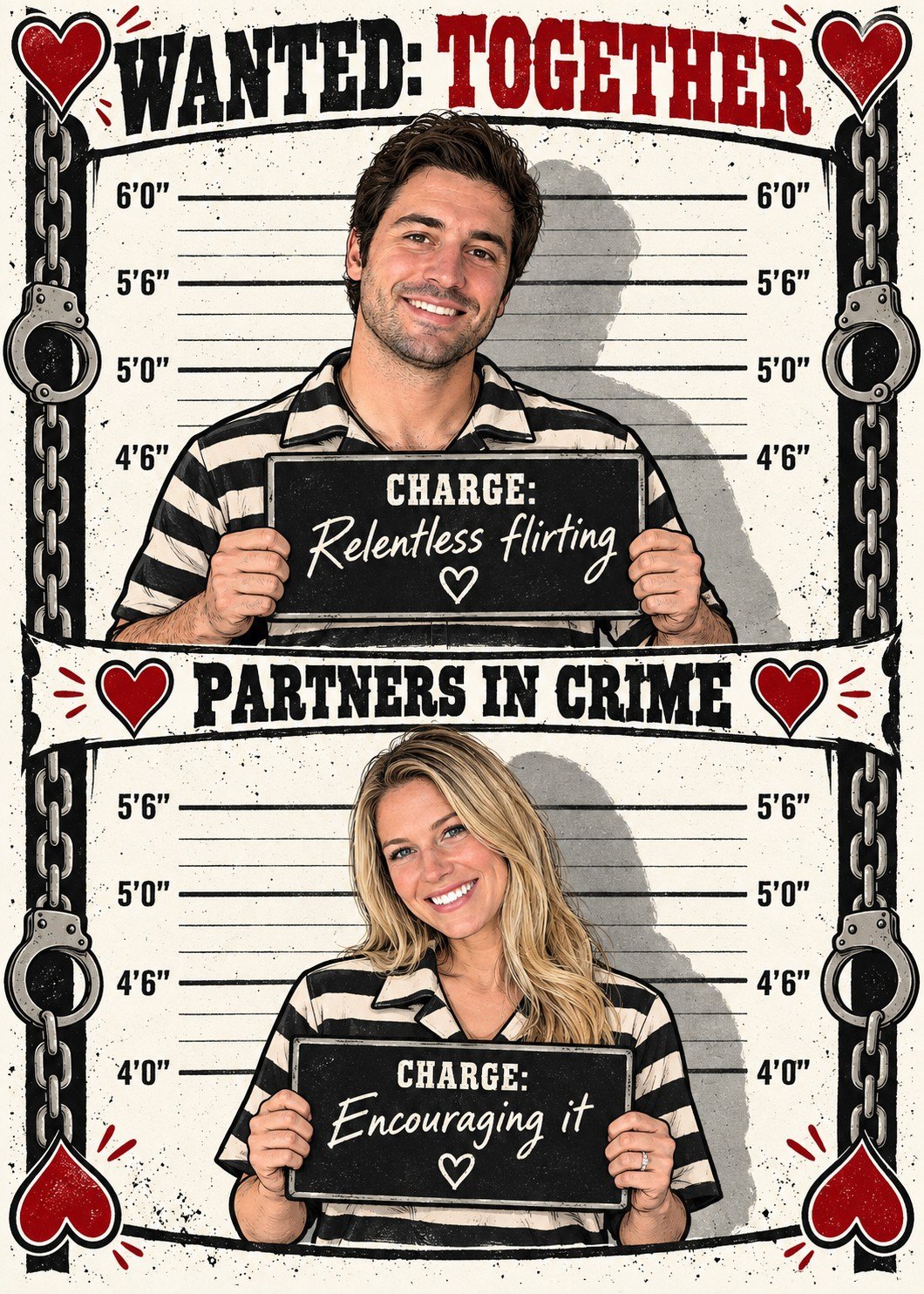
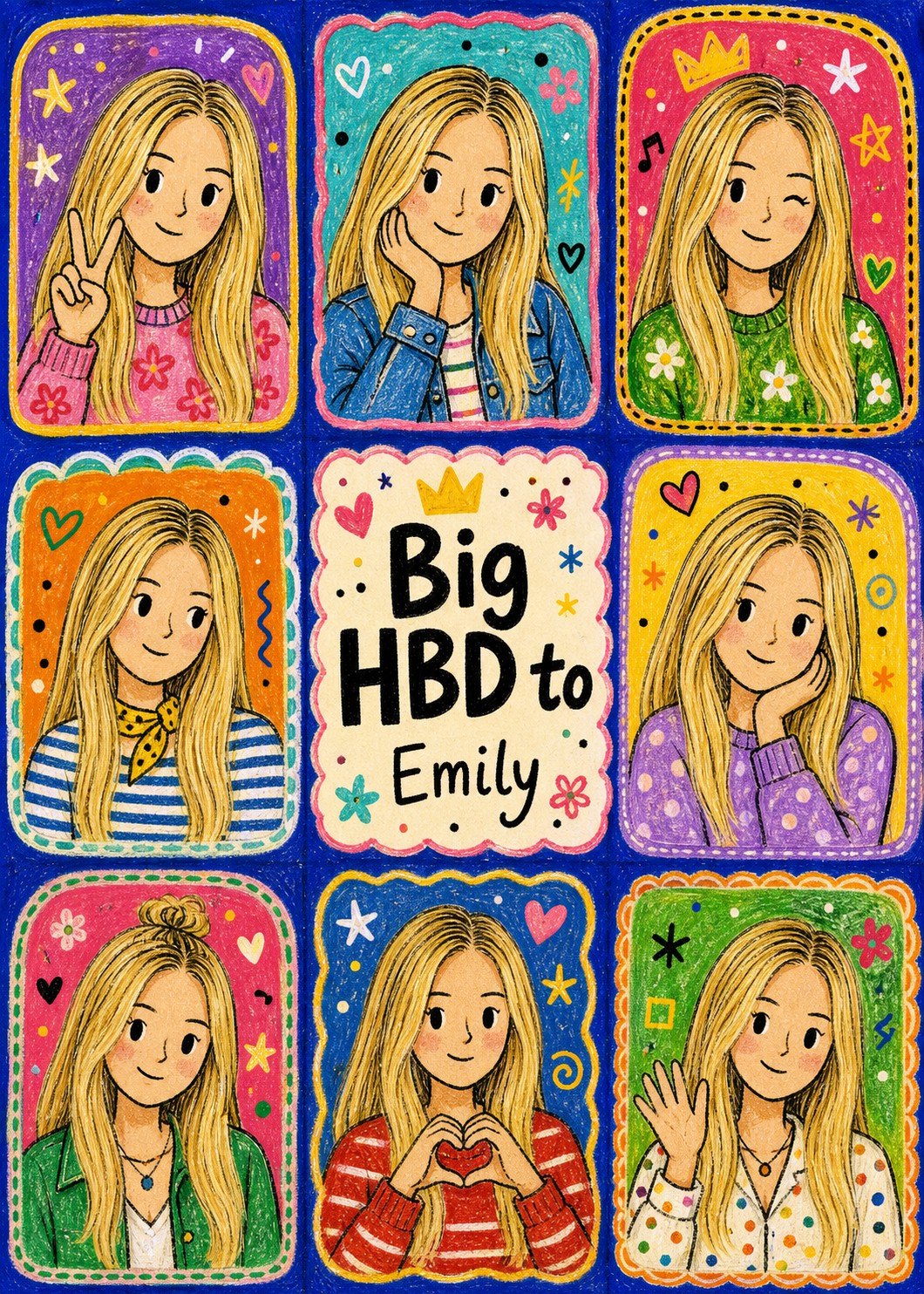
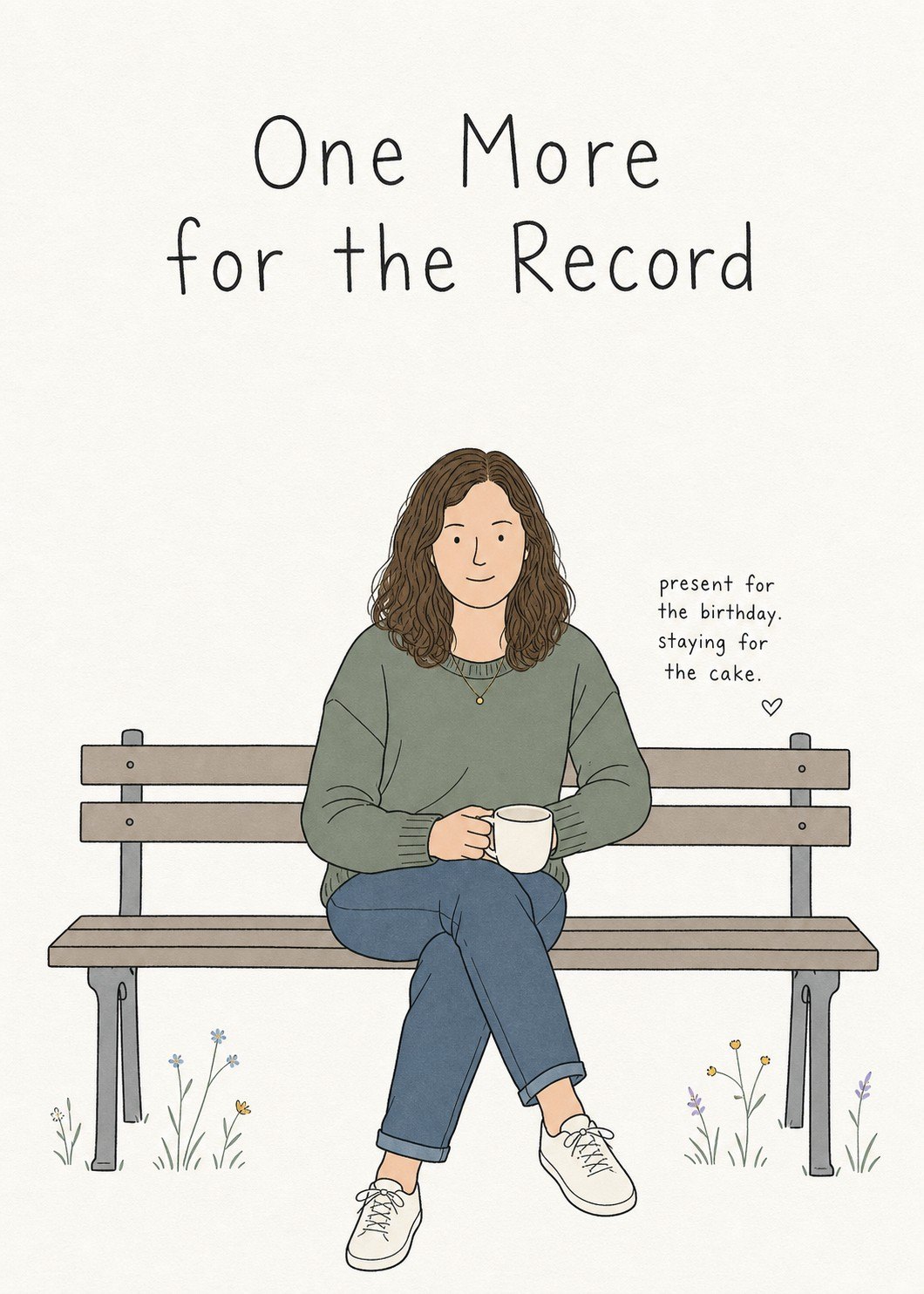
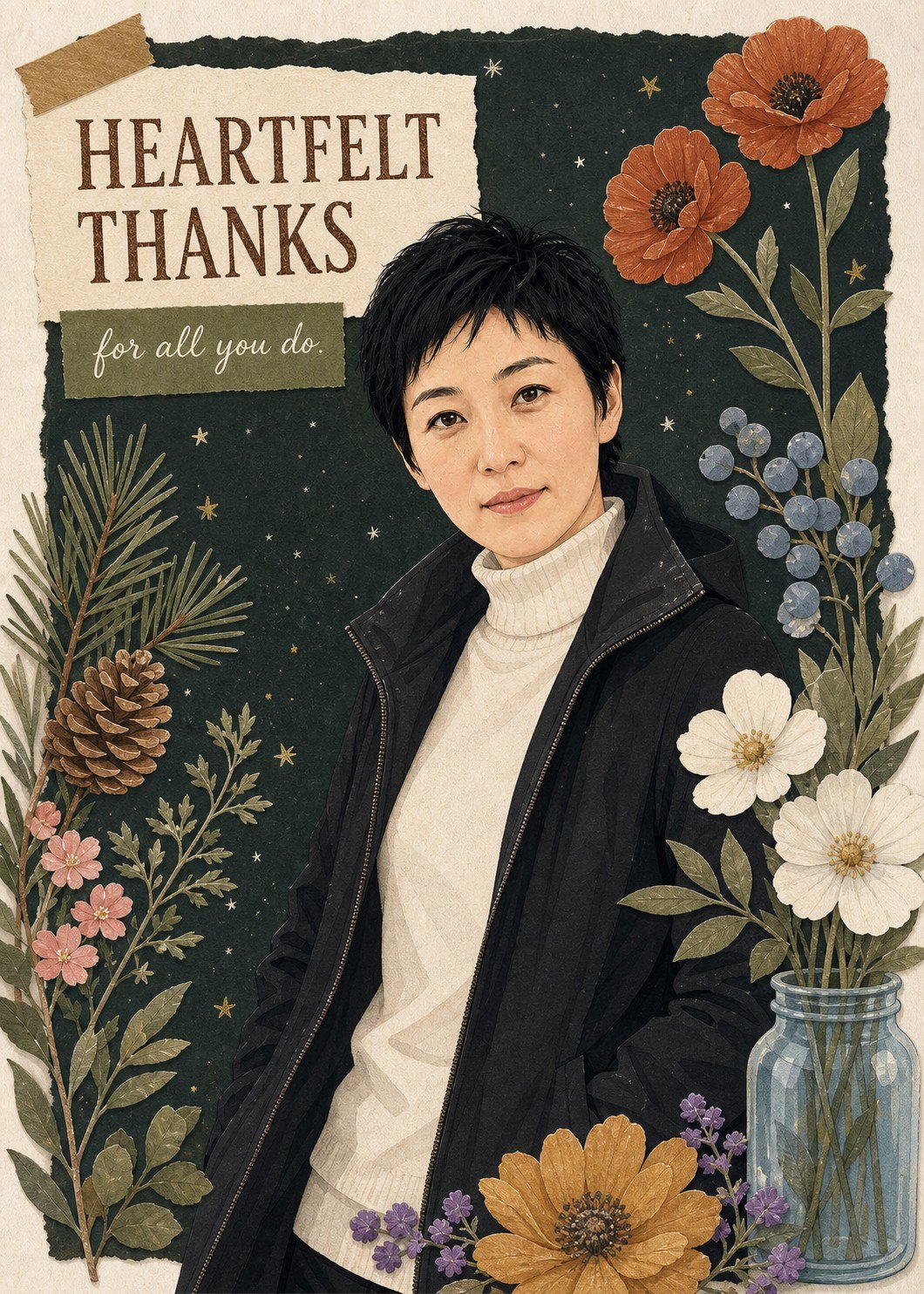
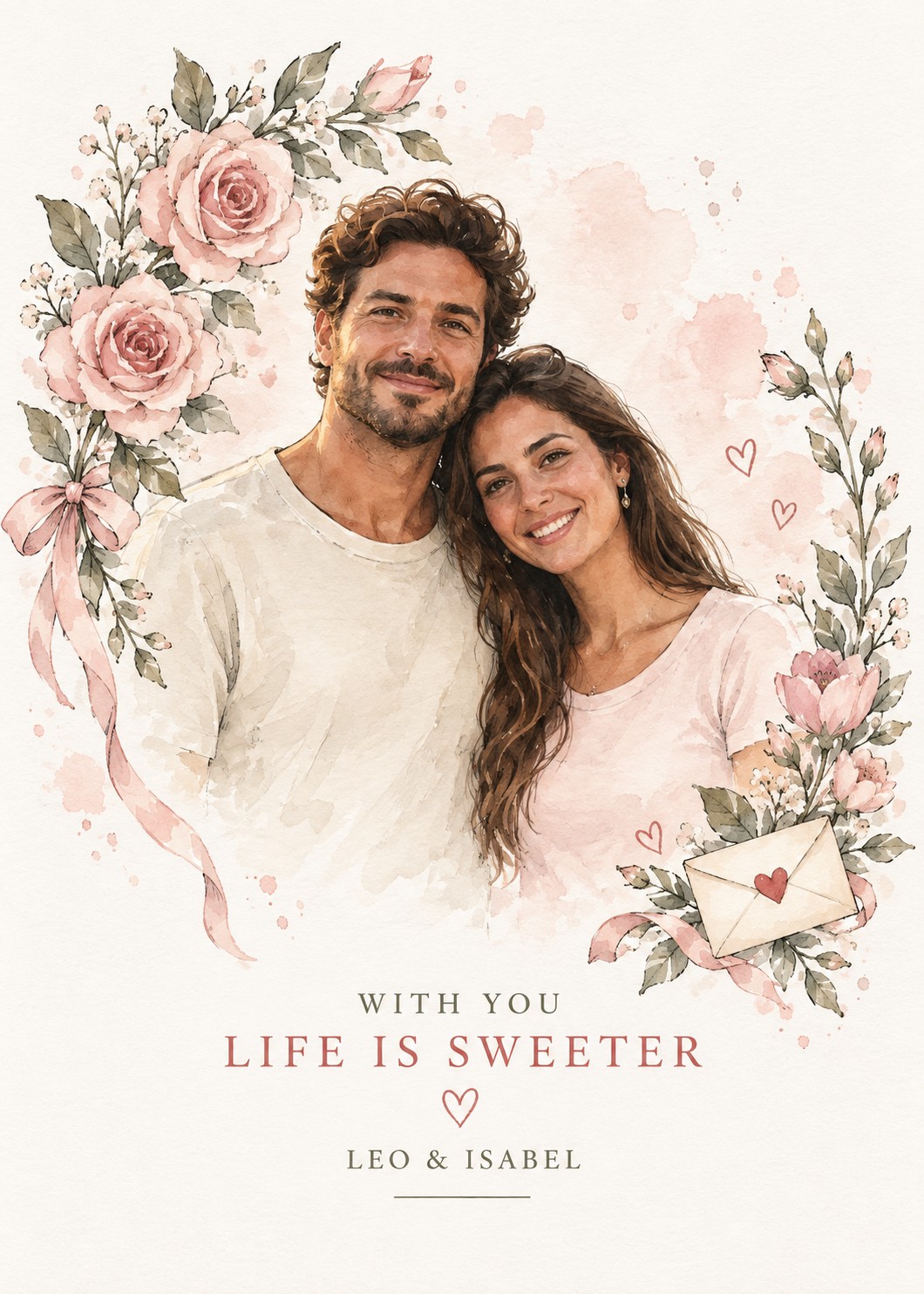
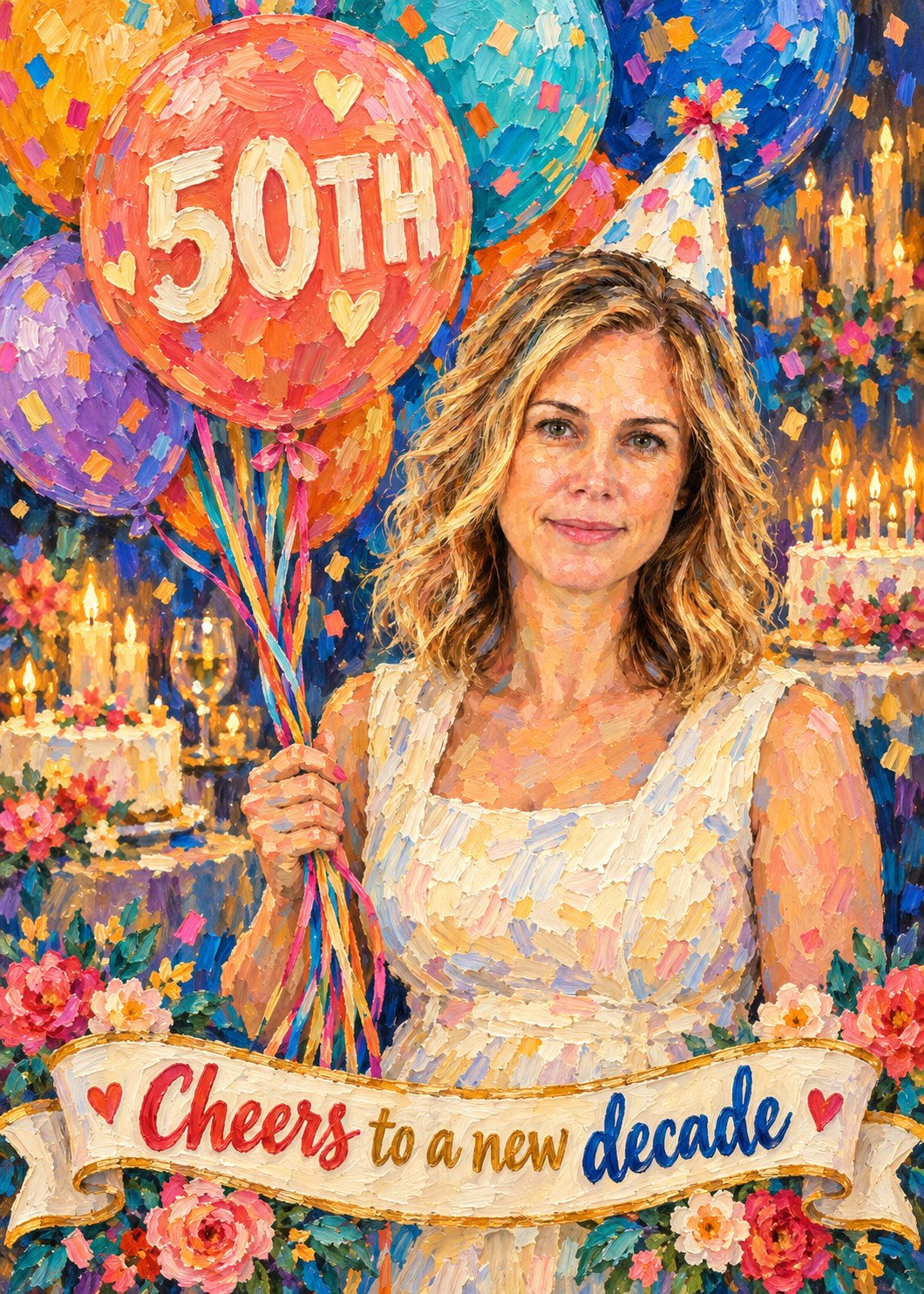
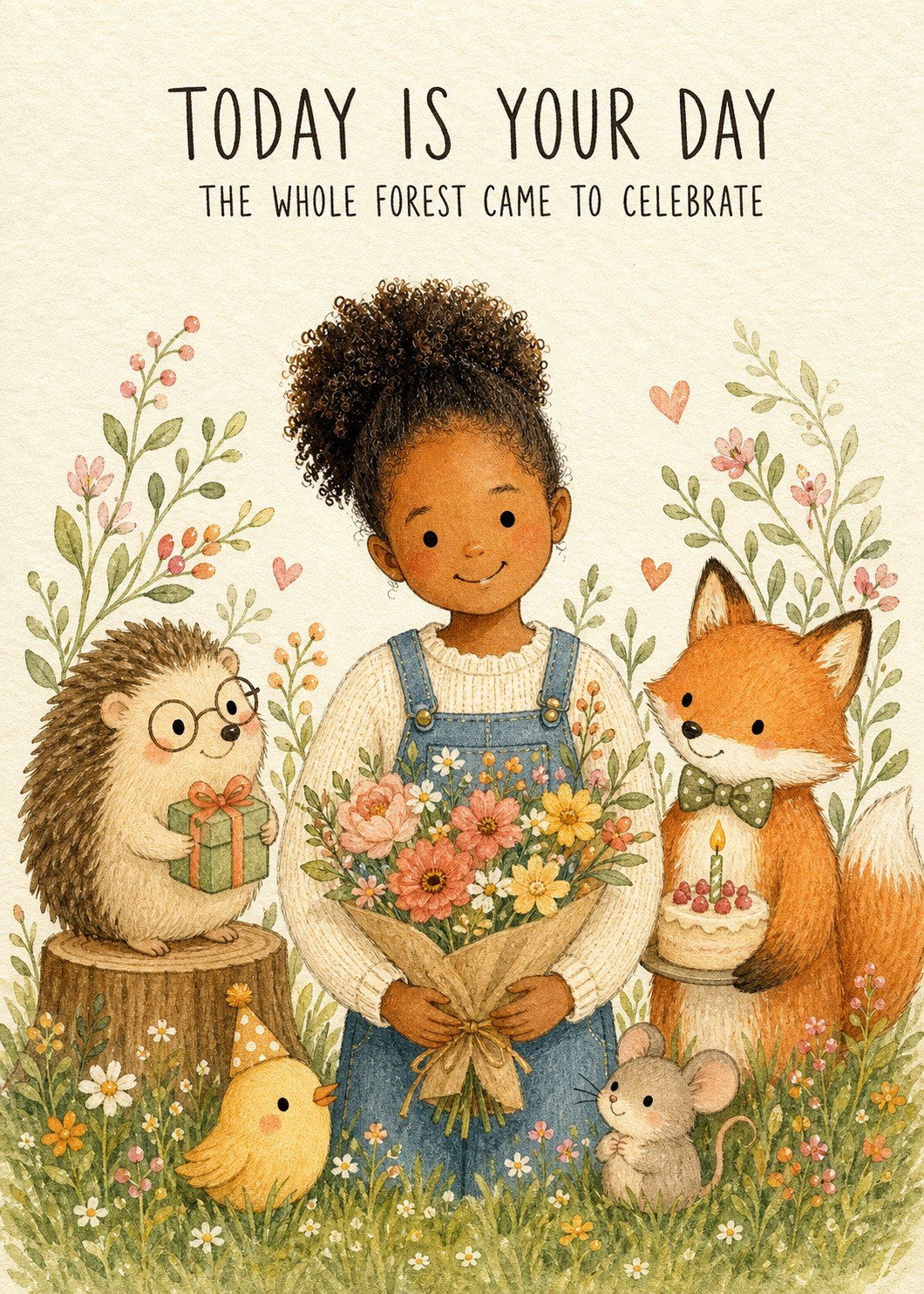
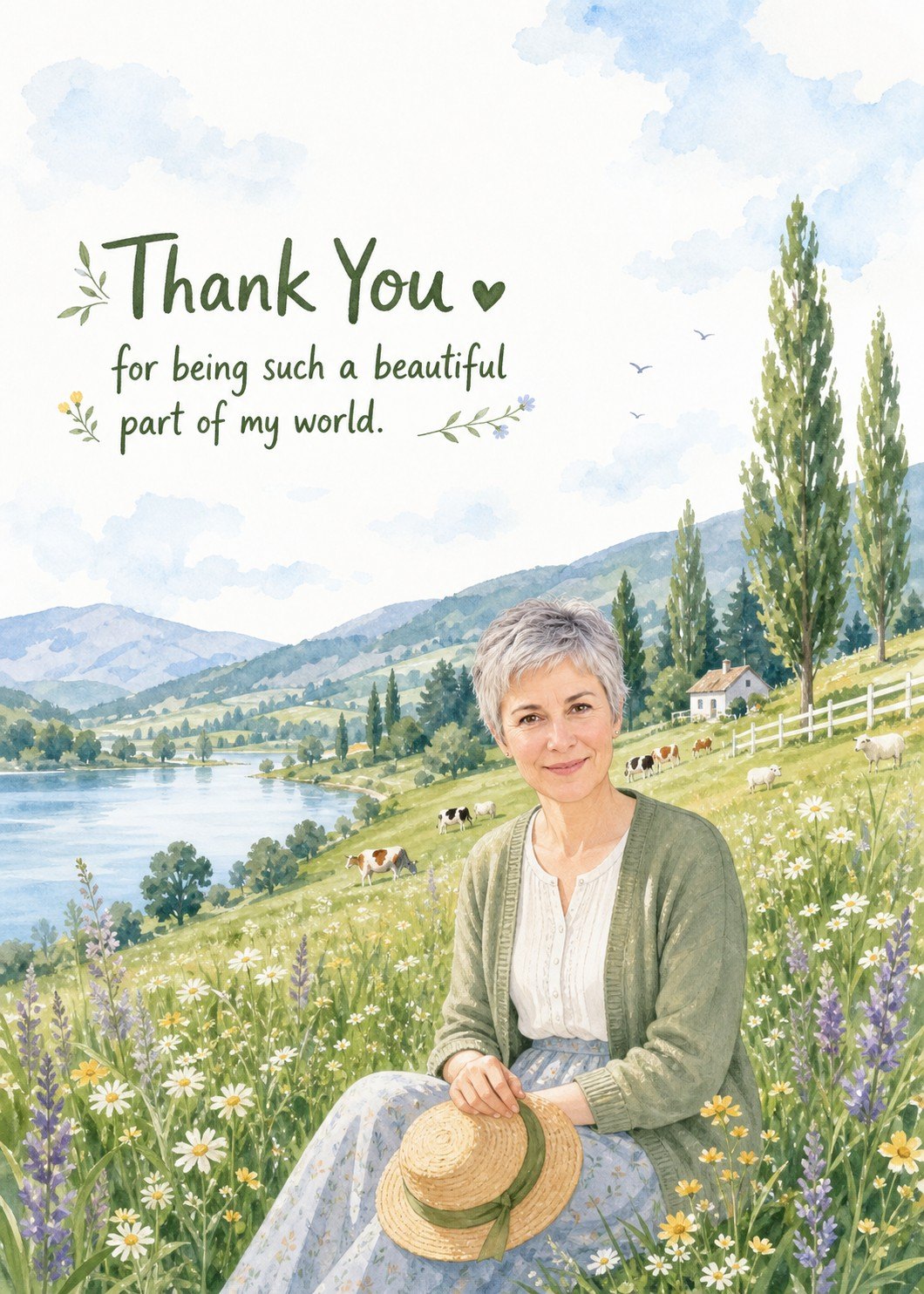
Every finished design rests on a chain of decisions like these, and the idea is only the first of them. Once the first image appears, the questions keep coming. Does the result carry the feeling I intended? Does the person belong naturally in the scene? Is a detail charming, or has it become distracting? Does the image work as a complete greeting card, with room for words and a recognizable person at its center? Two people with the same tool will answer these questions differently, and their answers are what make their work different. The tool is the same for everyone; what sets one work apart is how each of us answers.
The debate around AI art will fade
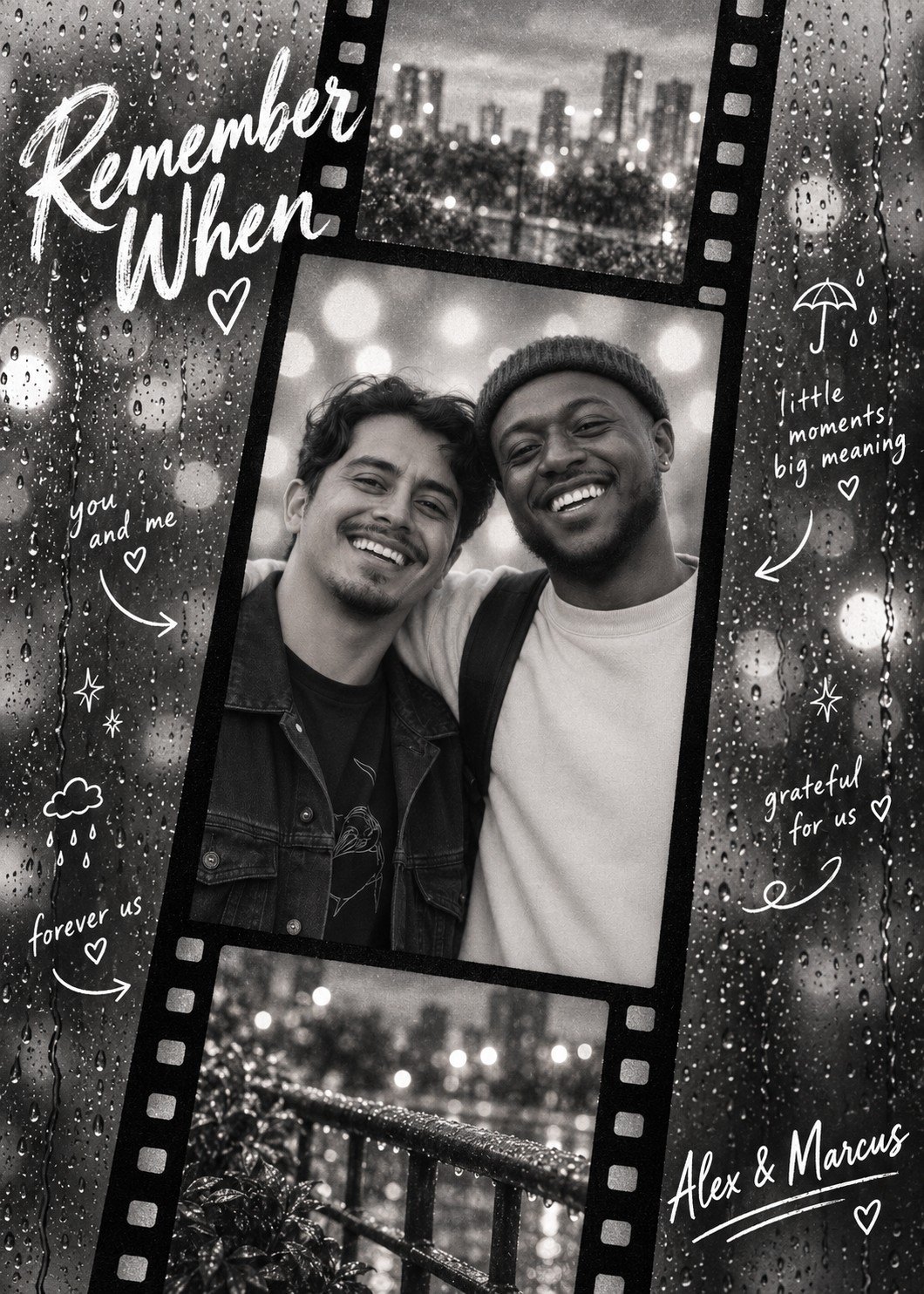
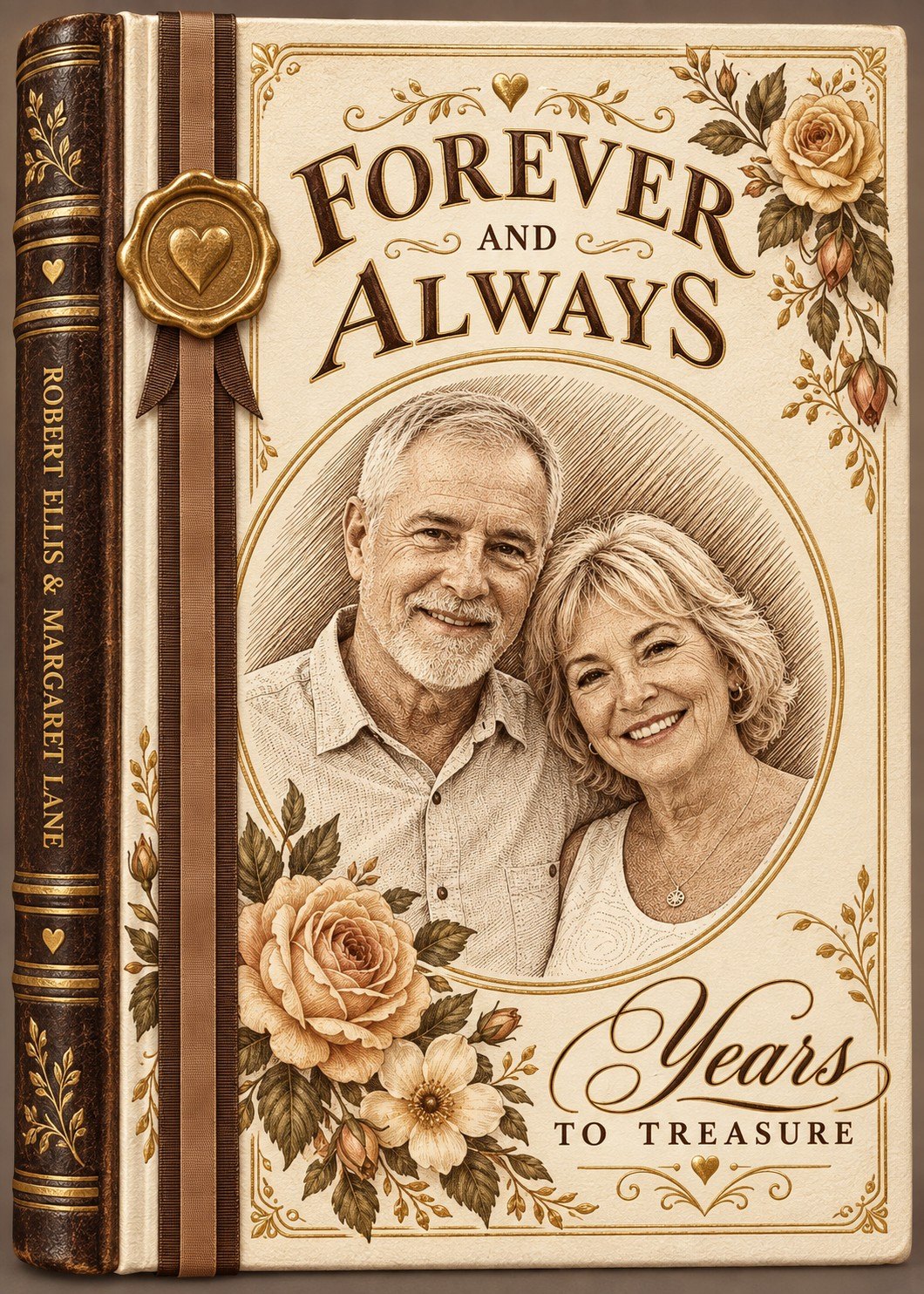
I’m optimistic about what these tools make possible, but not everyone sees AI-assisted work this way. When I’ve shared my card designs online, I’ve met plenty of questions, debate and sometimes outright criticism about whether work made with AI has any real creative value.
Photography’s early debates make that reaction easy to understand. New technologies change how things are made, unsettle established skills and sometimes replace older ways of working altogether, and disagreement comes with that. But look back through history, from the camera to desktop publishing and Photoshop, and the same thing happens each time: a new technology spreads, the debates flare up, people adapt, and the arguments quietly fade.
Just as people eventually learned to value the photographer’s eye and decisions, instead of judging a photograph by the mechanical act of capturing it, today’s skepticism toward AI-generated art will fade as these tools become a familiar part of creative life. What will matter is what different people actually make with them: the imagination behind an idea, the taste that gives it form, and the judgment that makes one work stand apart from another.
Why Fond & Fold exists
Over time, I’ve found that the way I make images keeps changing: from adjusting brochures in Illustrator myself, to working with a creative team, to working with AI. What I bring to the work has stayed the same: the idea, the taste, the imagination and the judgment about what is worth making.
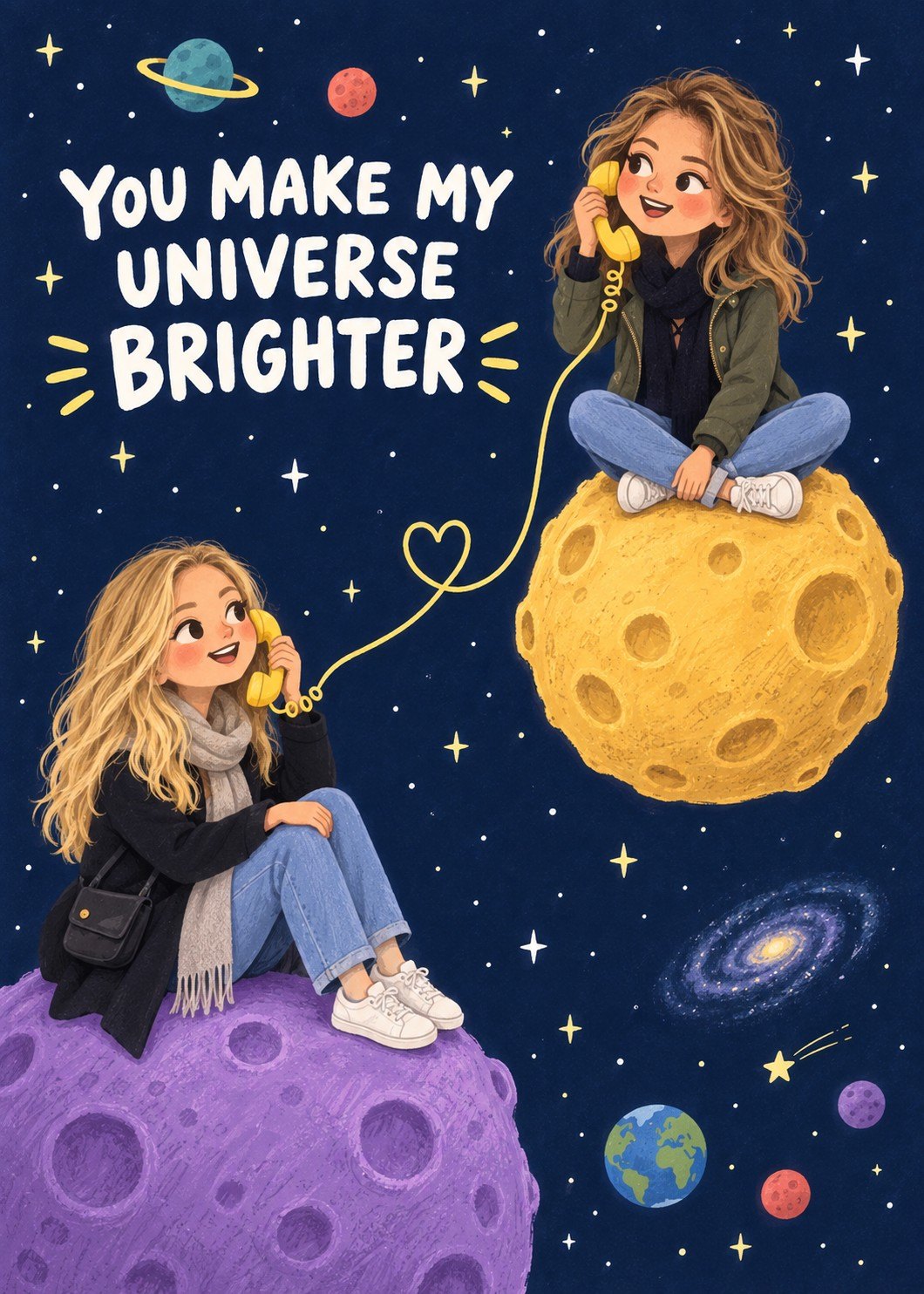
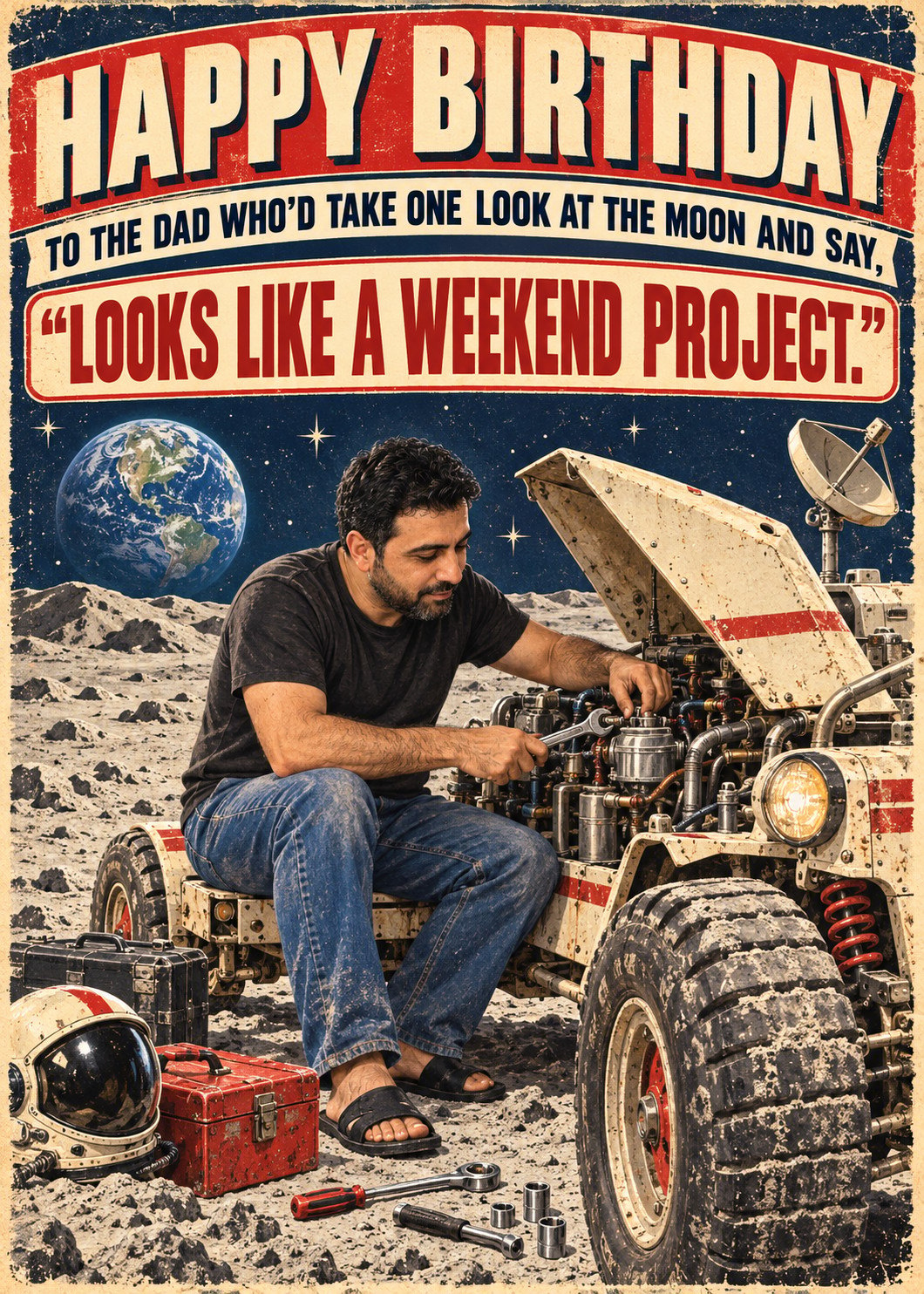
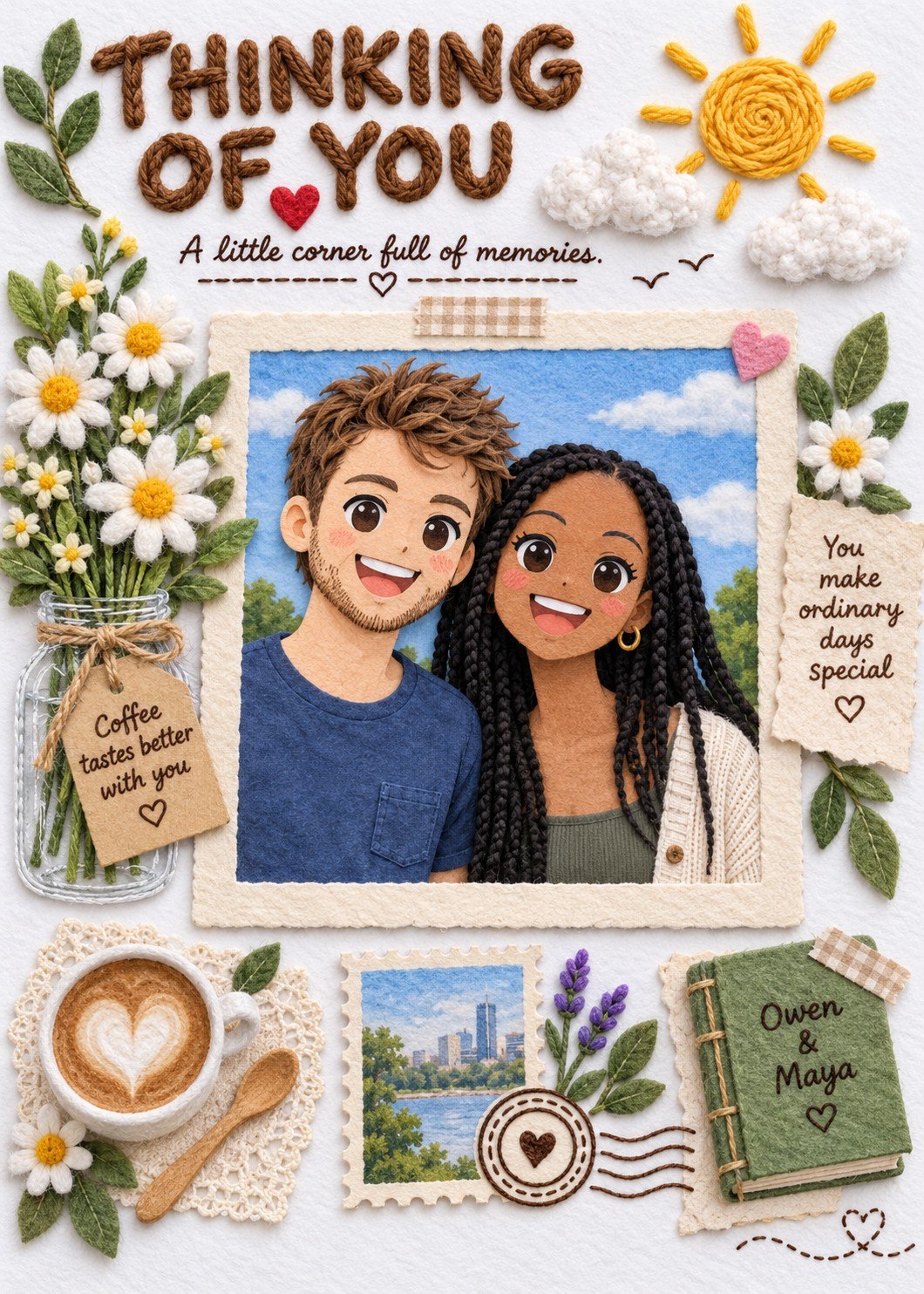
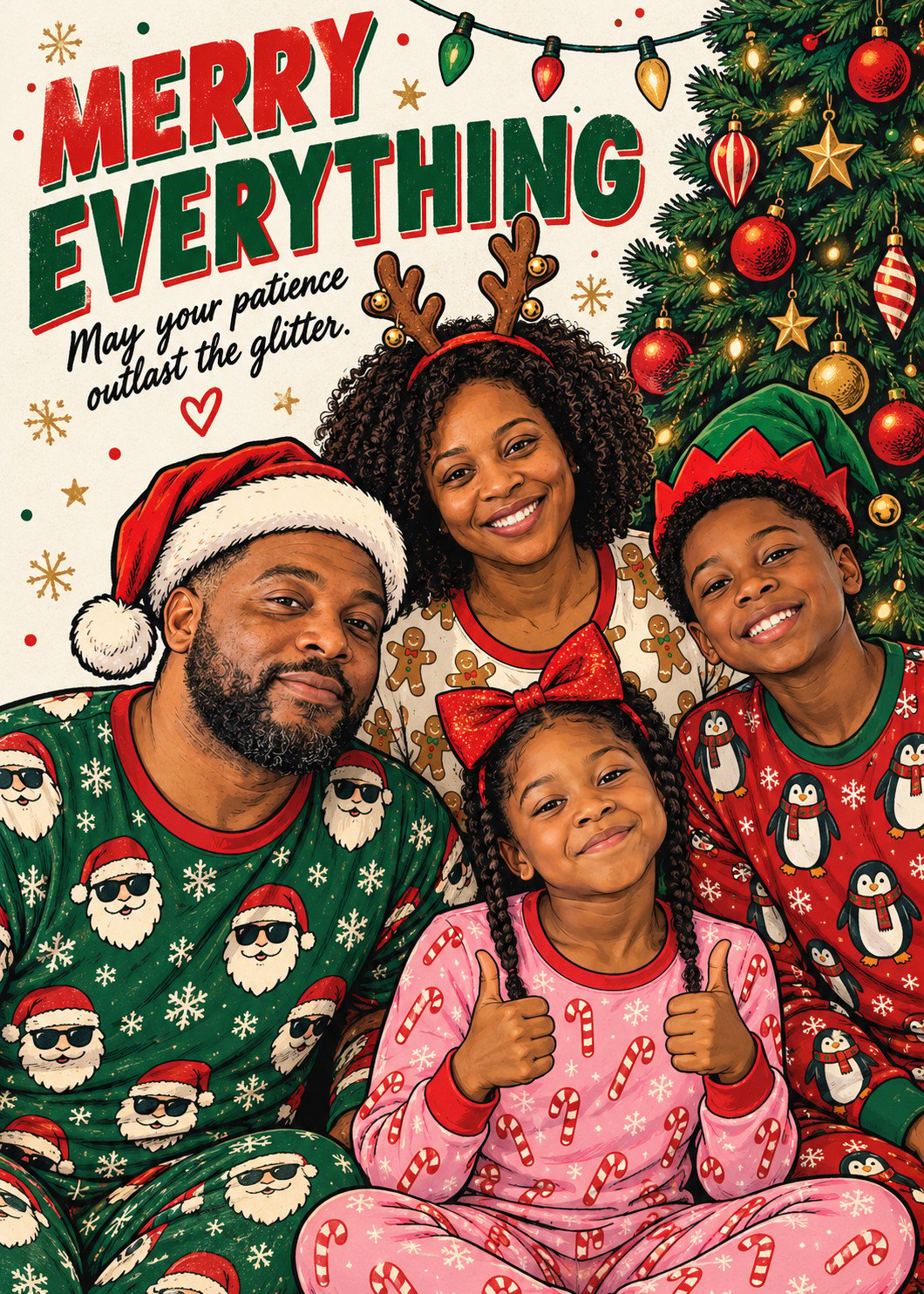
Fond & Fold grew out of that same conviction. As How Fond & Fold Began tells with a card for a mother and a few gifts for friends, and with one aim: to make a personal illustrated card something anyone could give, for a birthday, a thank-you or another small occasion, without the budget and planning of a full commission.
That aim depends on AI. Placing a real, recognizable person inside an entirely new illustrated scene is something image technology has only recently learned to do reliably, a change traced in Five Eras of Personalized Photo Art. It is what lets a card like this reach anyone who wants one, quickly, consistently and at an everyday price. Fond & Fold is a new kind of product for the AI era, and AI is what made it possible.
So while the technology takes care of the making, our attention at Fond & Fold goes to everything else: the idea behind each design, the details that make it feel right, and the heart of the card, the feeling you hope someone will have when they open it. Maybe it’s a laugh at a joke only the two of you share, a memory you’ve both carried for years, or a few tears neither of you expected. If a card from Fond & Fold helps you say what you mean, and becomes a small part of a moment you’ll both remember, it has done what it was made for.
The tools are now within everyone’s reach; taste and judgment are not. That is where Fond & Fold’s value lies: in the idea, the design and the taste behind each card, and in the many decisions made long before it reaches you. Each card begins with a considered idea and arrives as a finished illustration, so the person giving it doesn’t have to invent the whole picture from scratch. The recipient’s face becomes part of that world, while the sender still chooses the design and the words that feel true to their relationship.
Most people who open one of these cards will never think about camera history, design software or how the image was made. We hope they simply recognize the person in the picture, see something of their character in the scene, and feel that somebody chose it with them in mind.
A tool can make the picture. What it says still comes from the people behind it.