How Fond & Fold Began: A Card for My Mom
A few personal gifts shaped how the shop works today.
Published
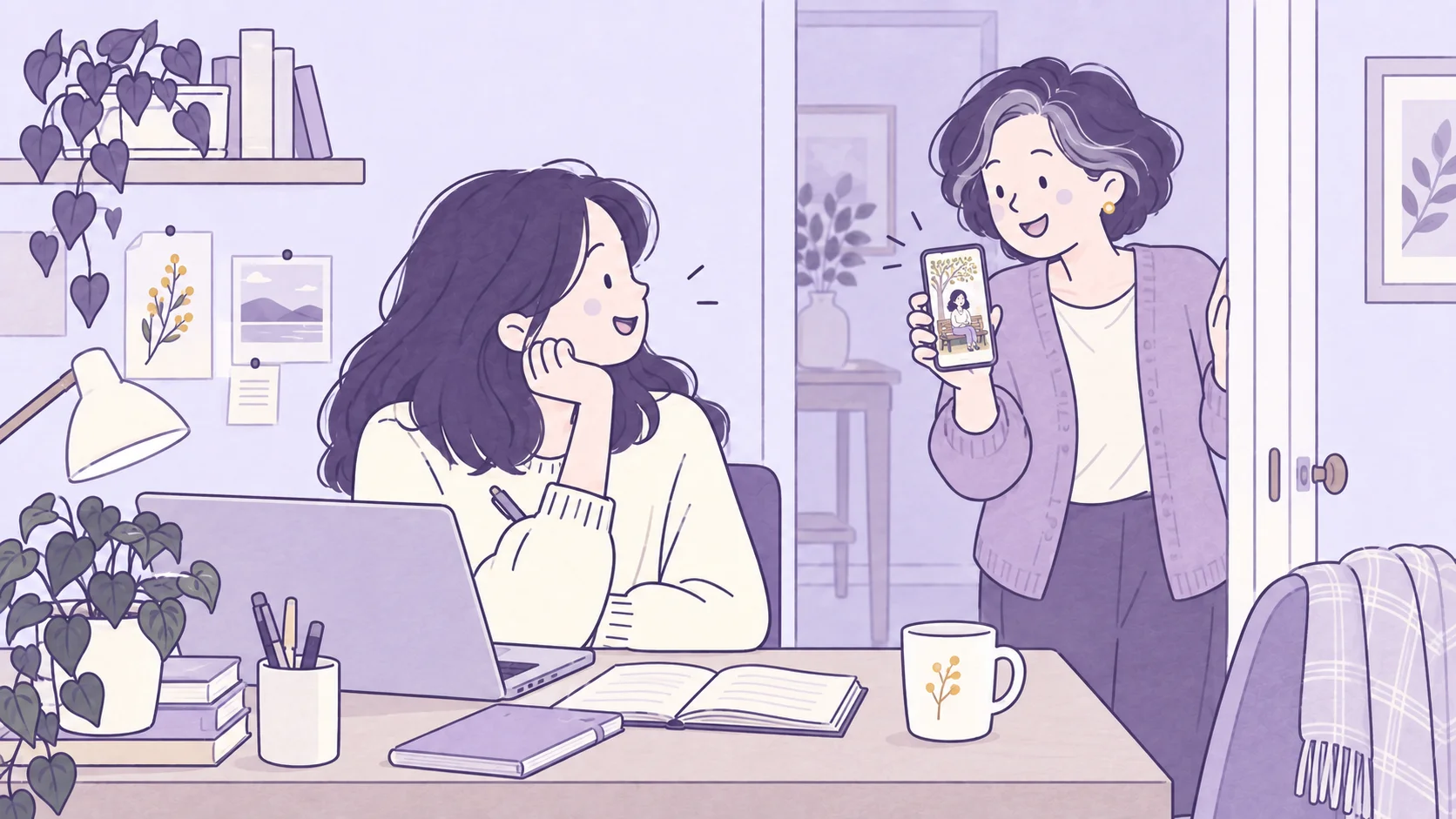
I’m Lingzi, the person behind Fond & Fold. Before there was a shop, I made cards for my mom, my niece, and friends, including those abroad. I liked how much of a person could come through in a card: their familiar face, a mood that suited them, and words that felt natural between us.
A Mother’s Day card
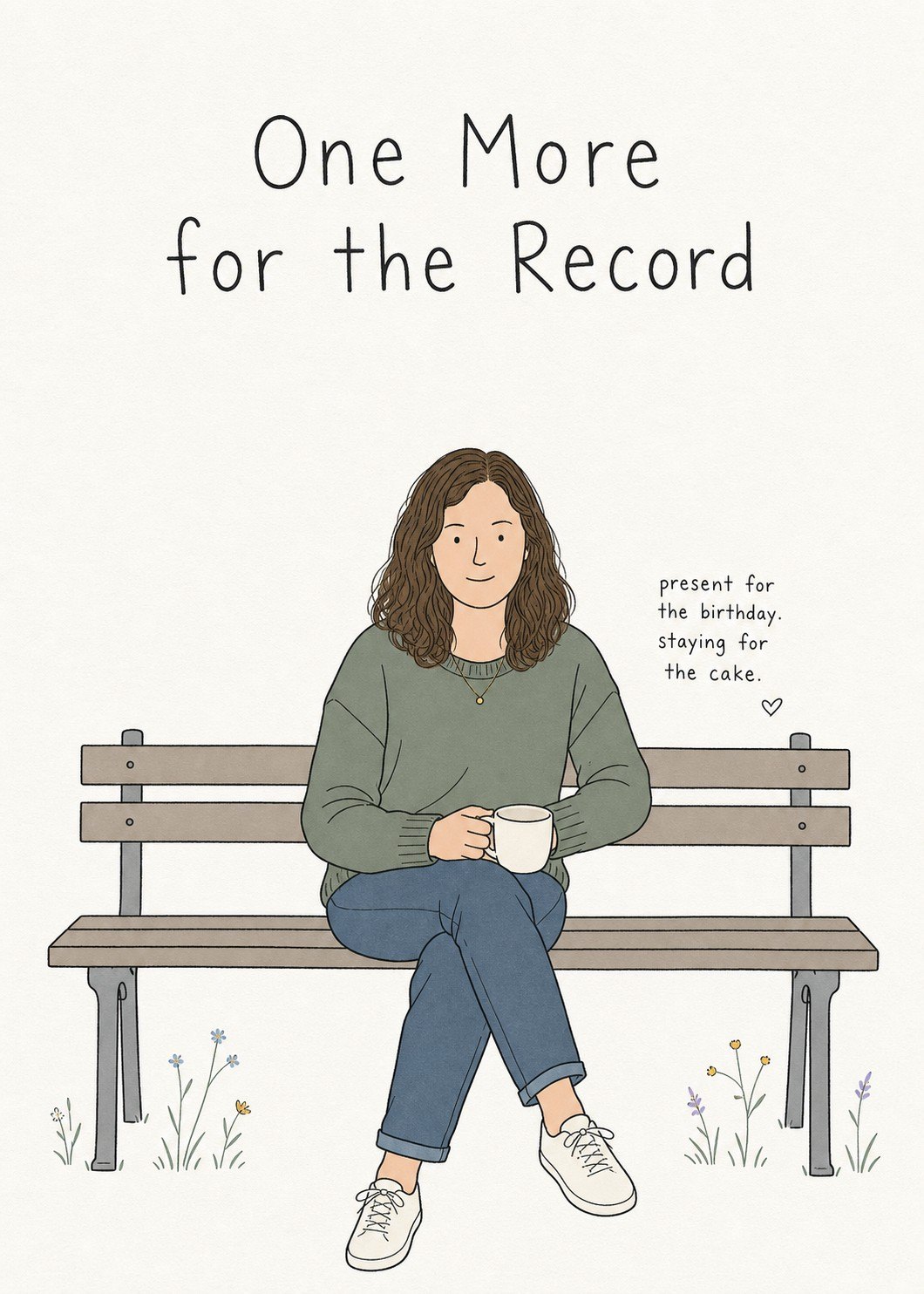
For Mother’s Day in 2026, I was looking for a gift for my mom: a small gesture that still felt special. An illustrated greeting card felt right, but commissioning an artist would have meant more expense and time for discussions and revisions than I could manage for this gift. So I decided to try making one with an AI image tool, using a photo of my mom sitting on a park bench. I had a simple, understated card in mind, with a little dry humor.
The result surprised me. There she was on the bench, with the busy park reduced to a few small flowers. Beside her were the words “she has been placed here for appreciation.” The illustration and the quiet joke suited her, and the way we are with each other. I was delighted before she had even seen it.
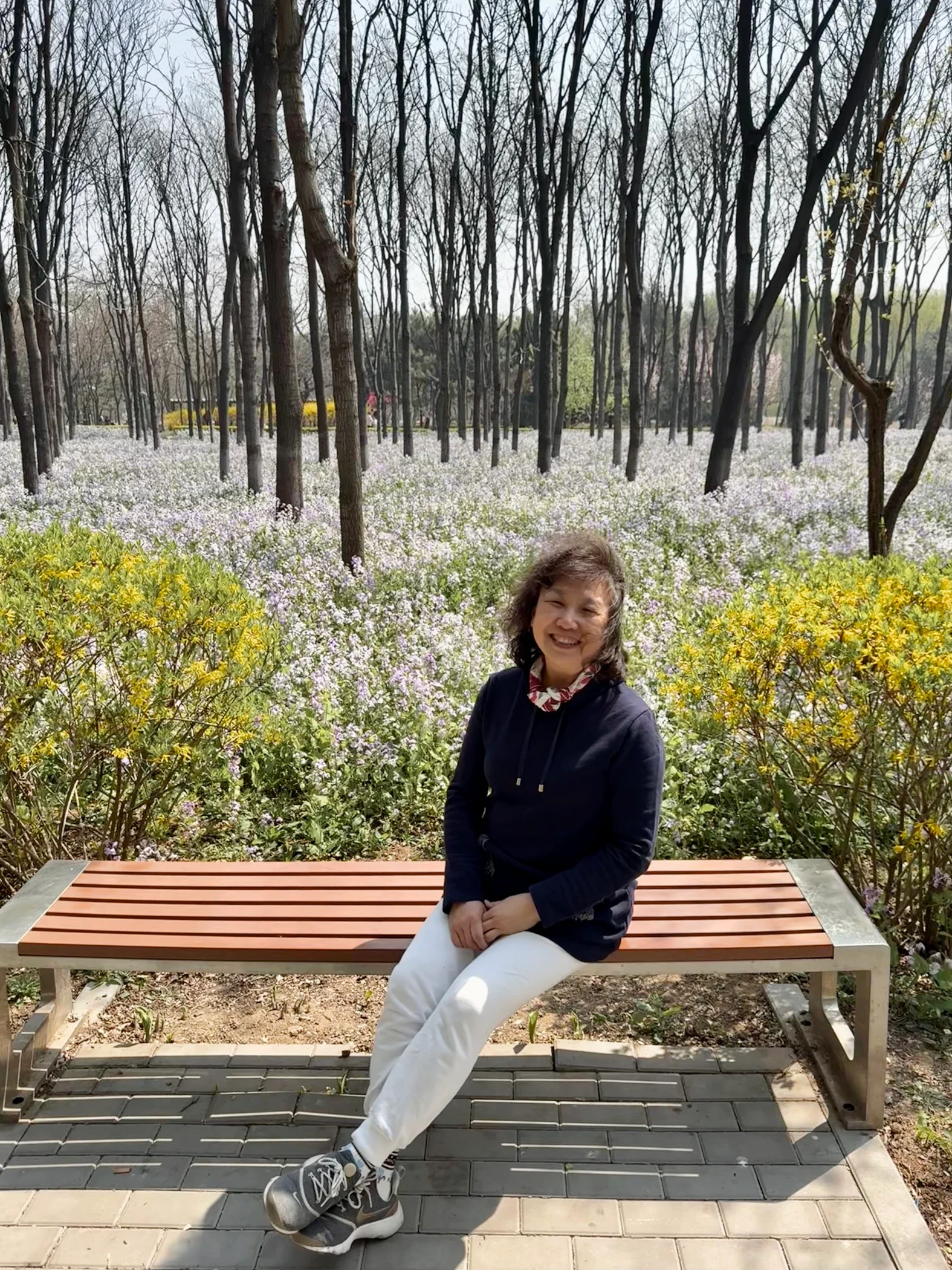
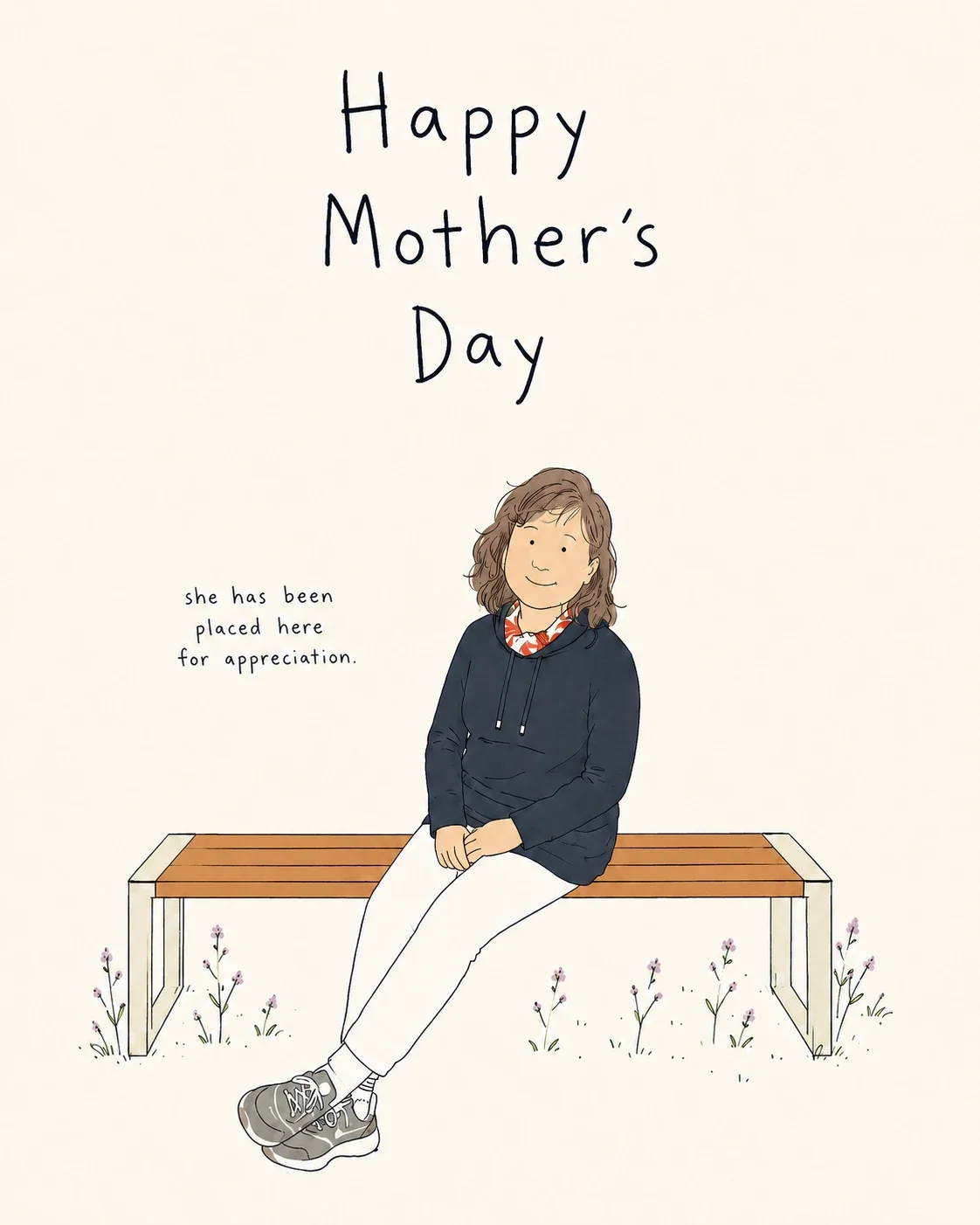
That morning, I was in my room and she was in hers when I sent her the card. She came to my doorway with her phone and stood there smiling at me. At first, she didn’t say anything. She often doesn’t say much when she is really pleased or moved, and I knew that smile.
She could read “Happy Mother’s Day,” but asked me what the other line meant. I explained it, then asked whether she could tell which photo I had used. Of course she could. Later, she shared the card with her friends online.
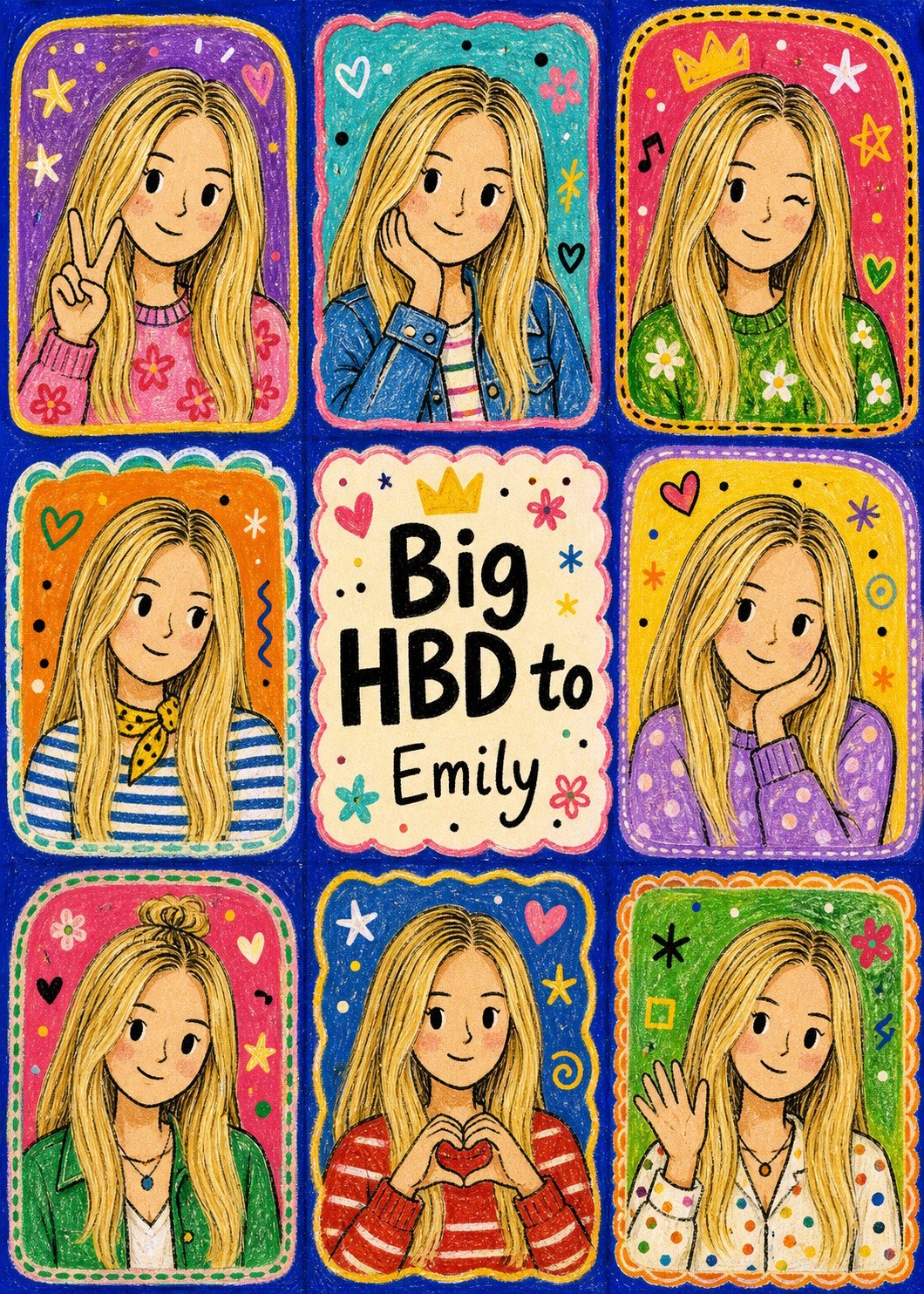
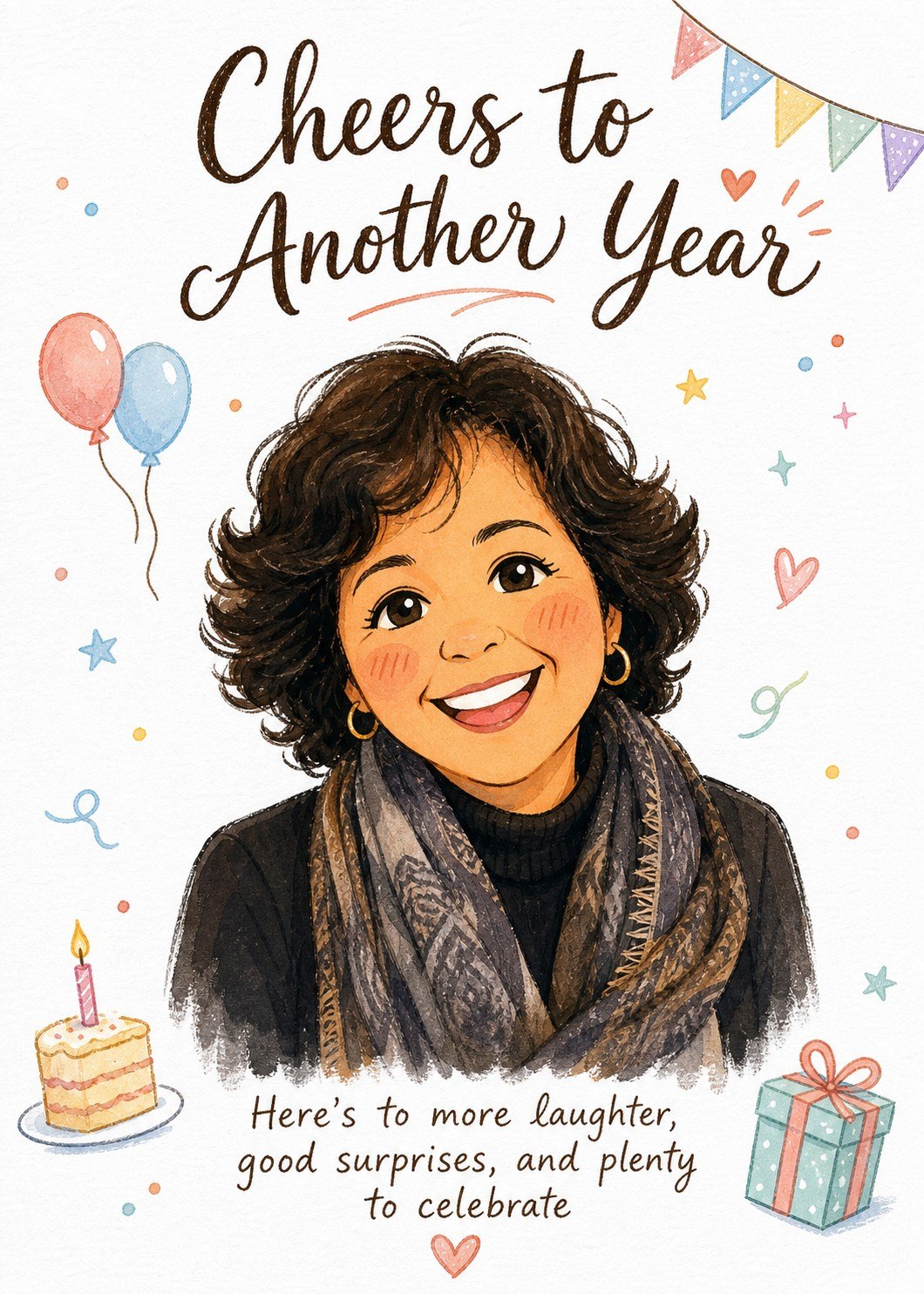
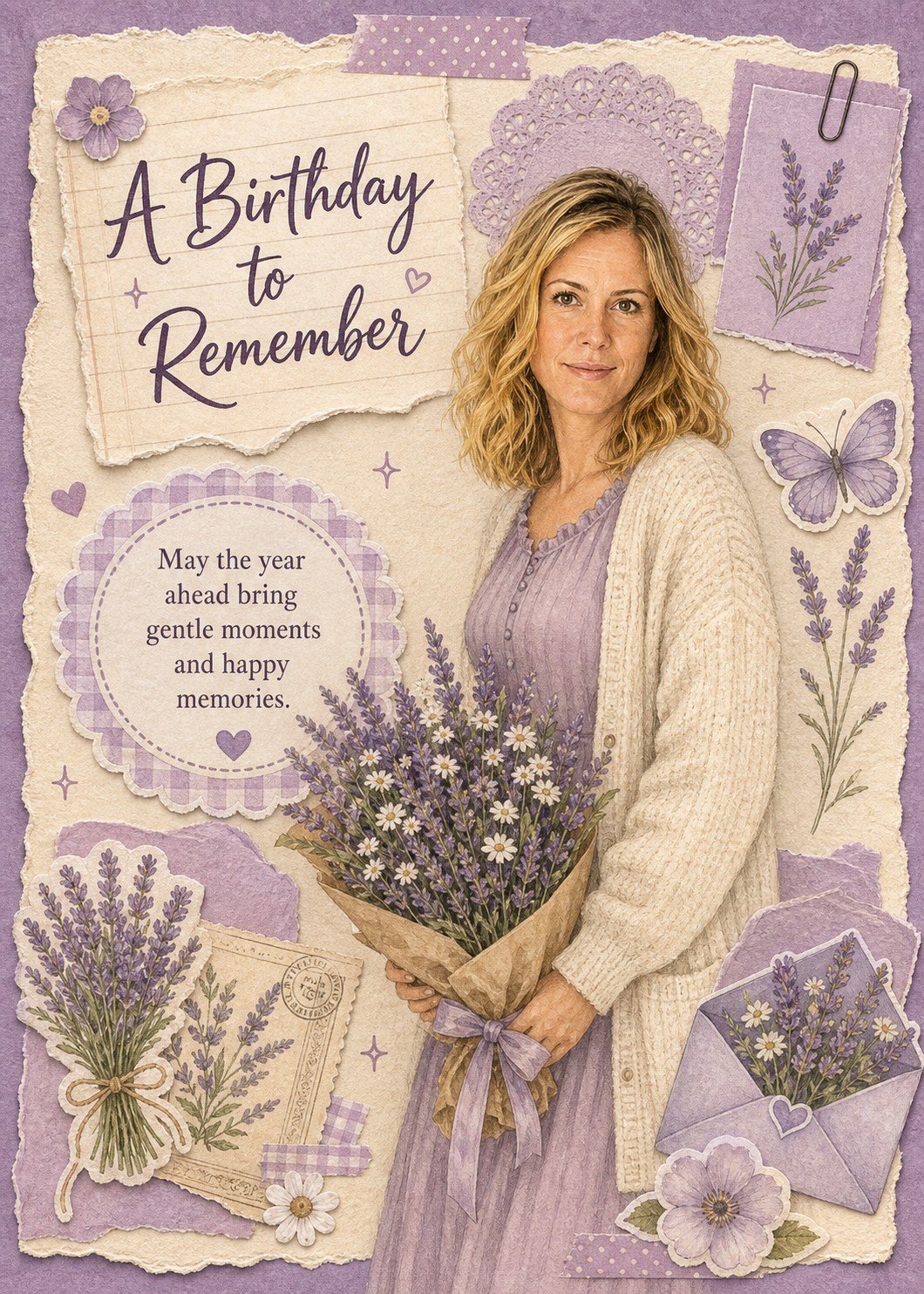
That early card eventually became the starting point for Birthday on the Bench.
One design, different people
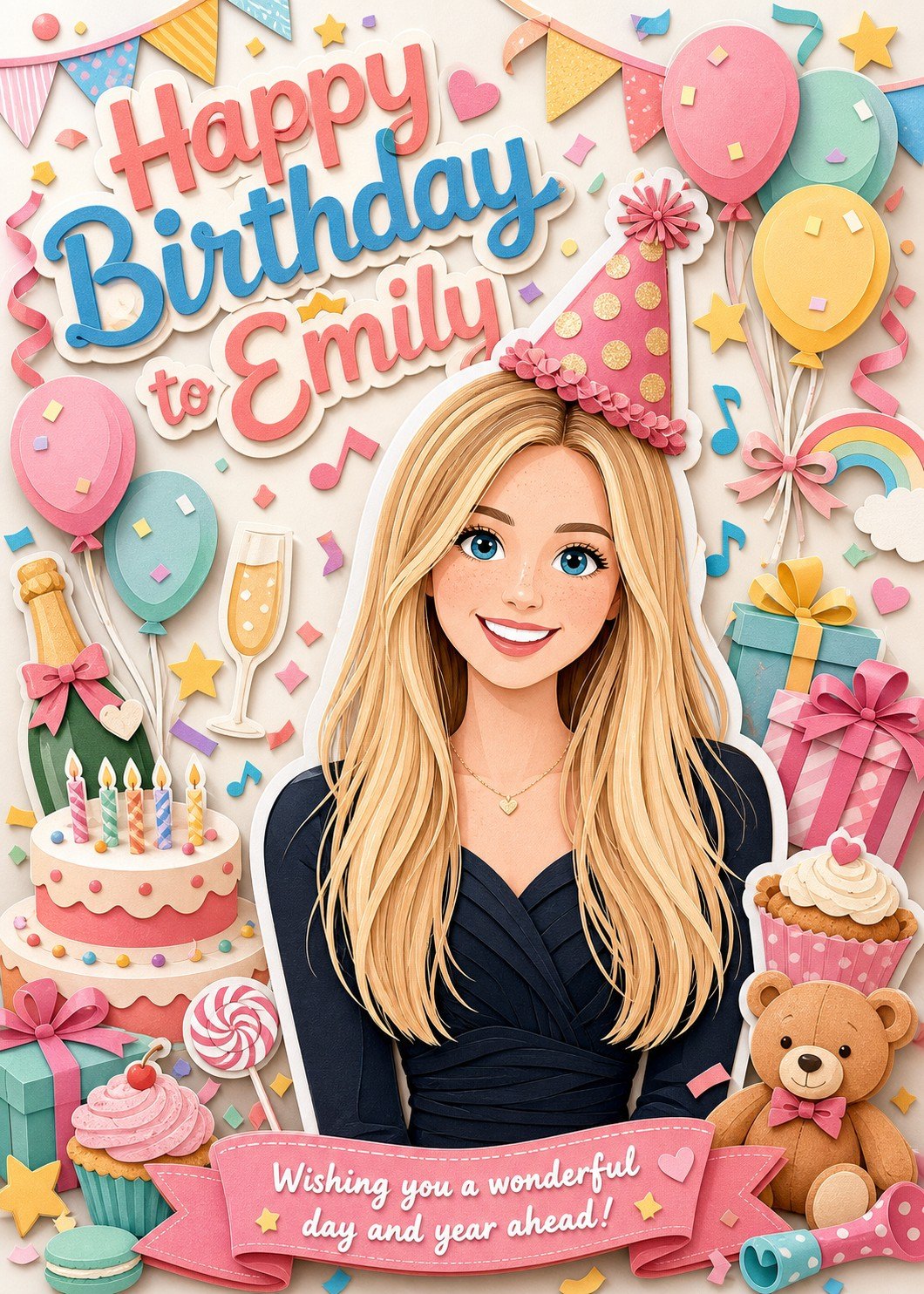
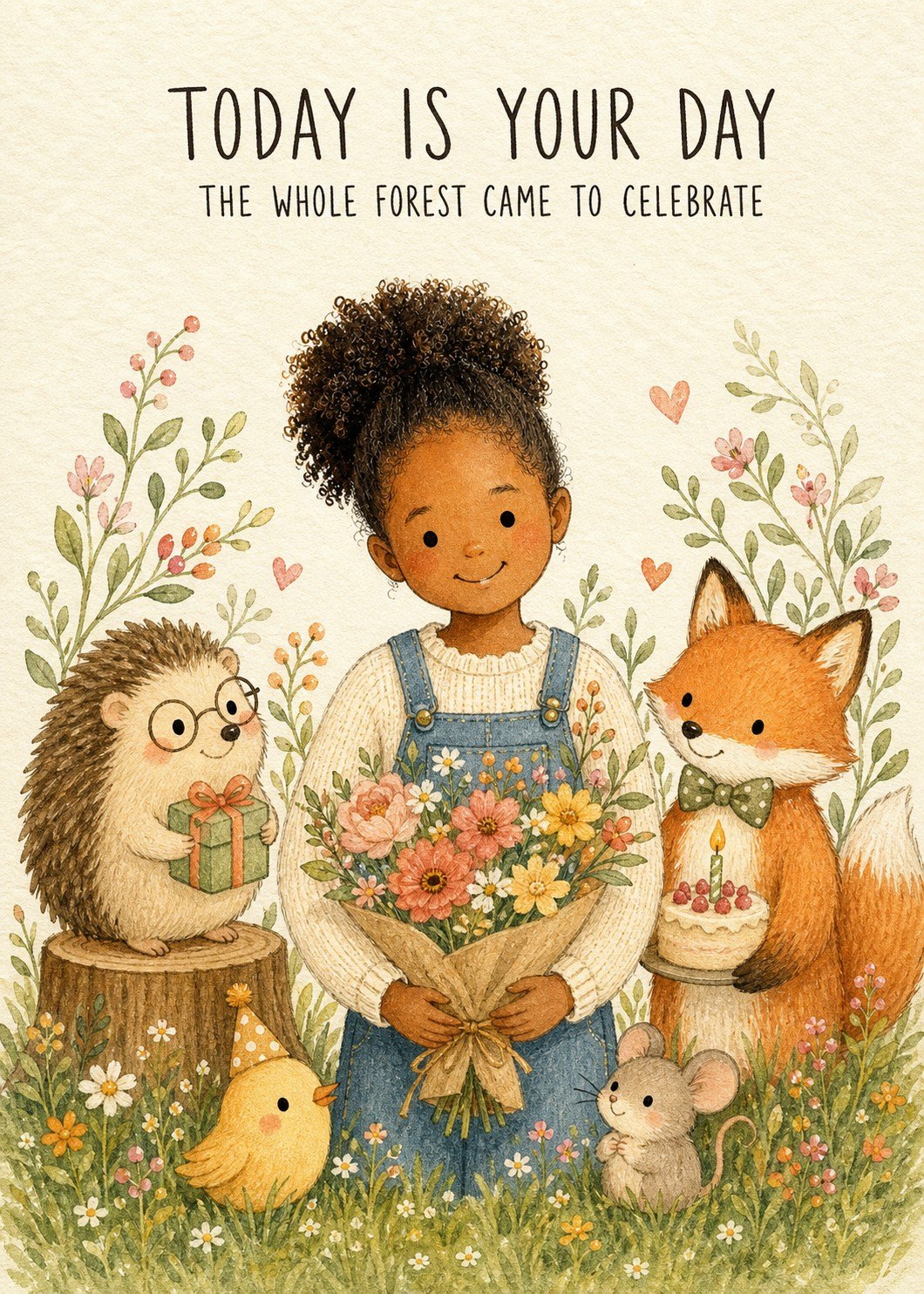
Seeing how much my mom enjoyed her card made me want to try another. When Children’s Day came around, I made a card for my niece and sent it to our family group chat. Everyone thought it was cute. I liked it so much that I wanted to make versions for my friends too, including those abroad. Sending them a card felt like a good excuse to reconnect.
We were all adults, so I had no particular reason to send them a Children’s Day card. I just thought they might enjoy seeing themselves in that cheerful little world. I used my niece’s card as the starting point and adapted the design around their photos.
The cards carried the same wish: “No matter how old you are, stay playful, stay curious, and keep moving forward bravely.”
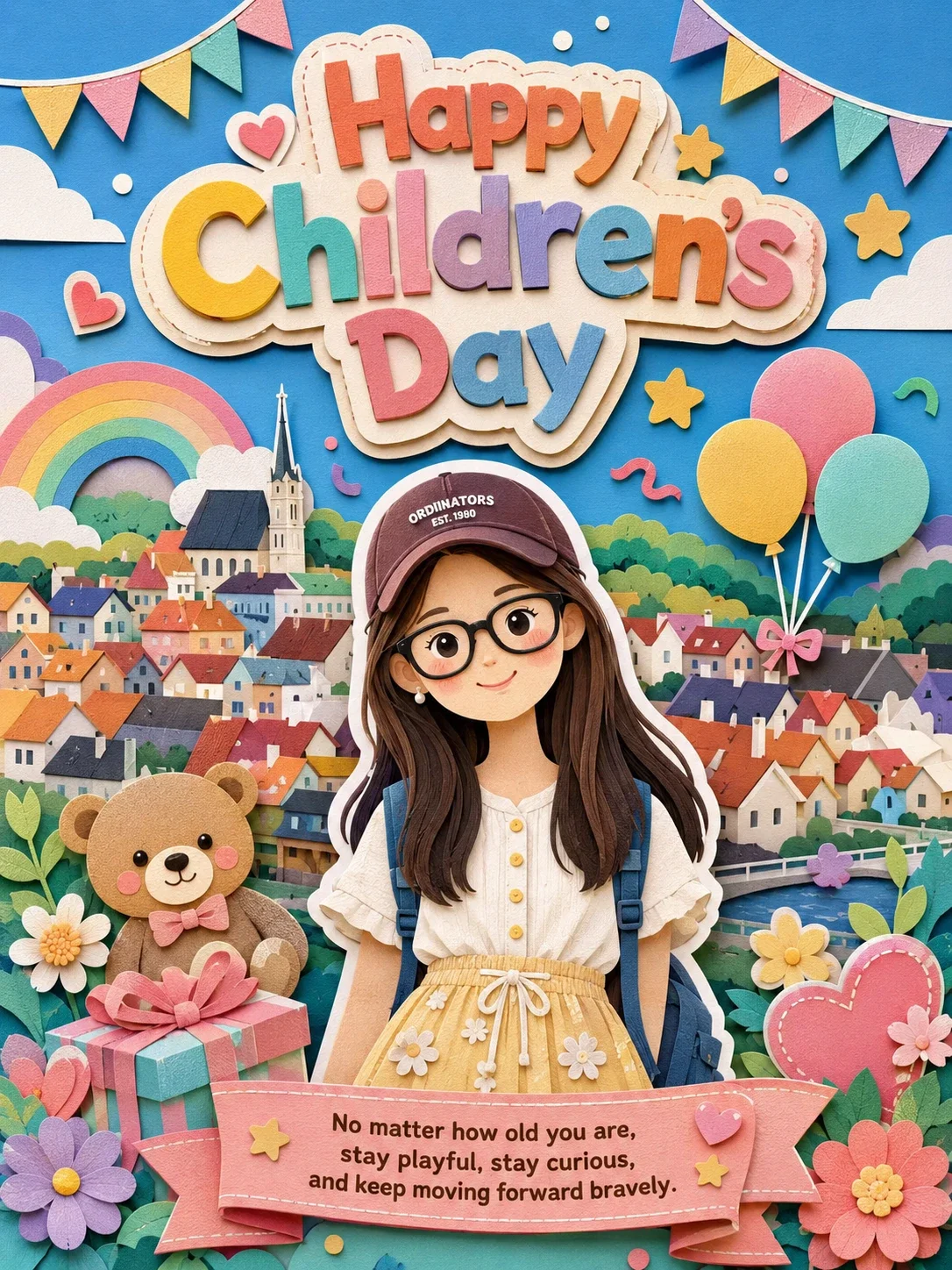
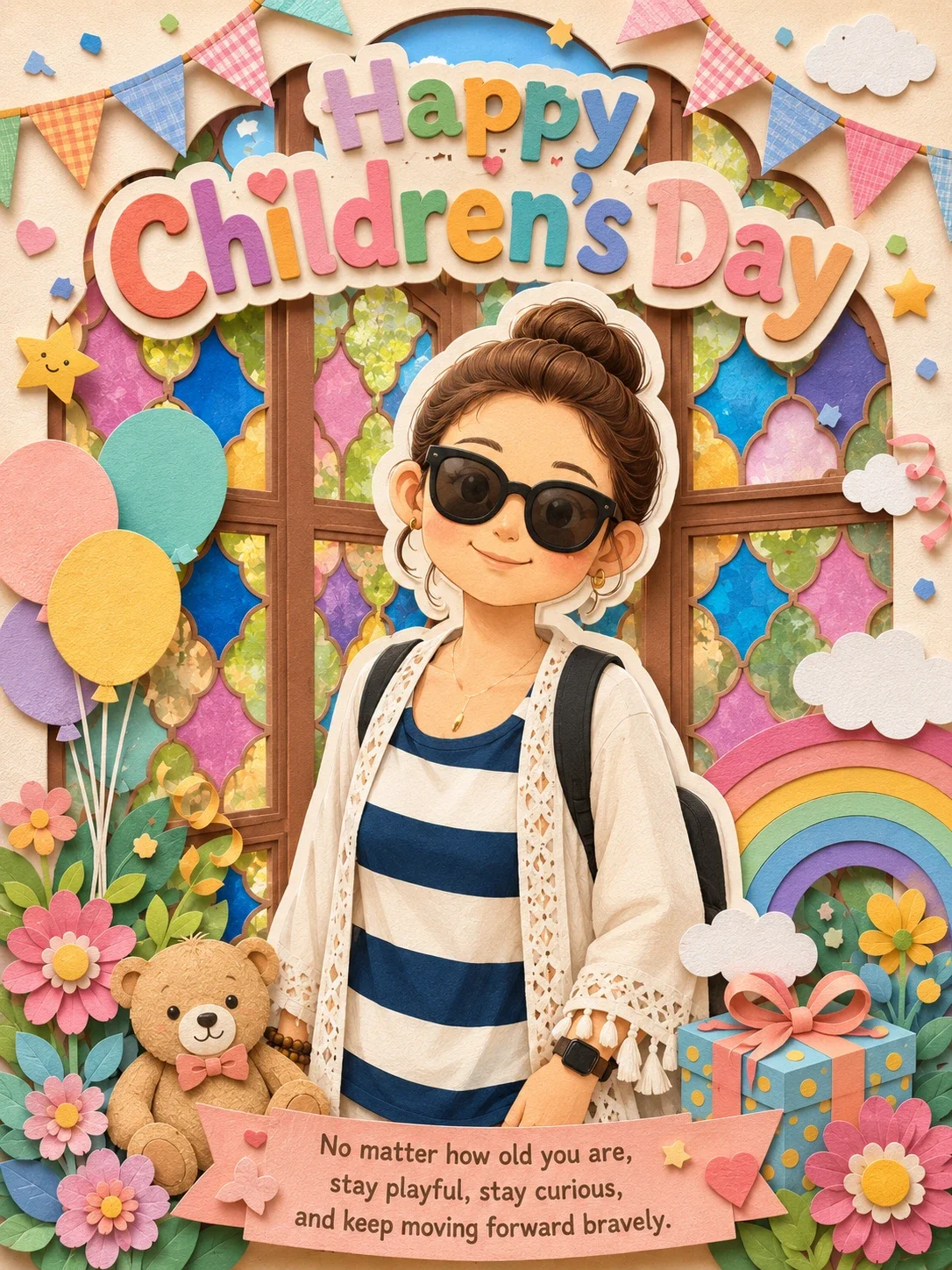
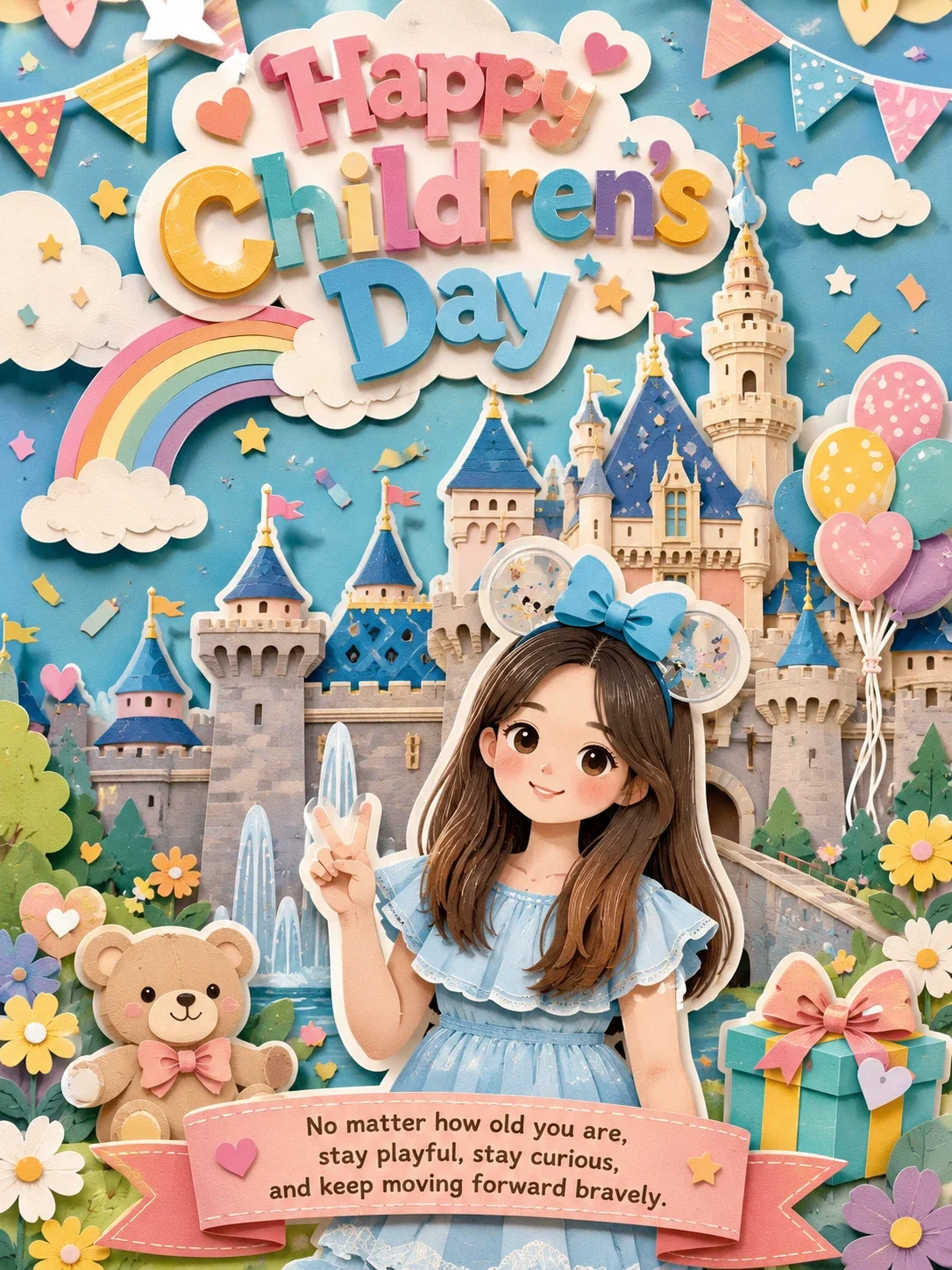
The paper-craft look, colorful lettering, and ribbon carrying the greeting held the cards together. The people, settings, and smaller details changed. They looked related, but each was its own picture.
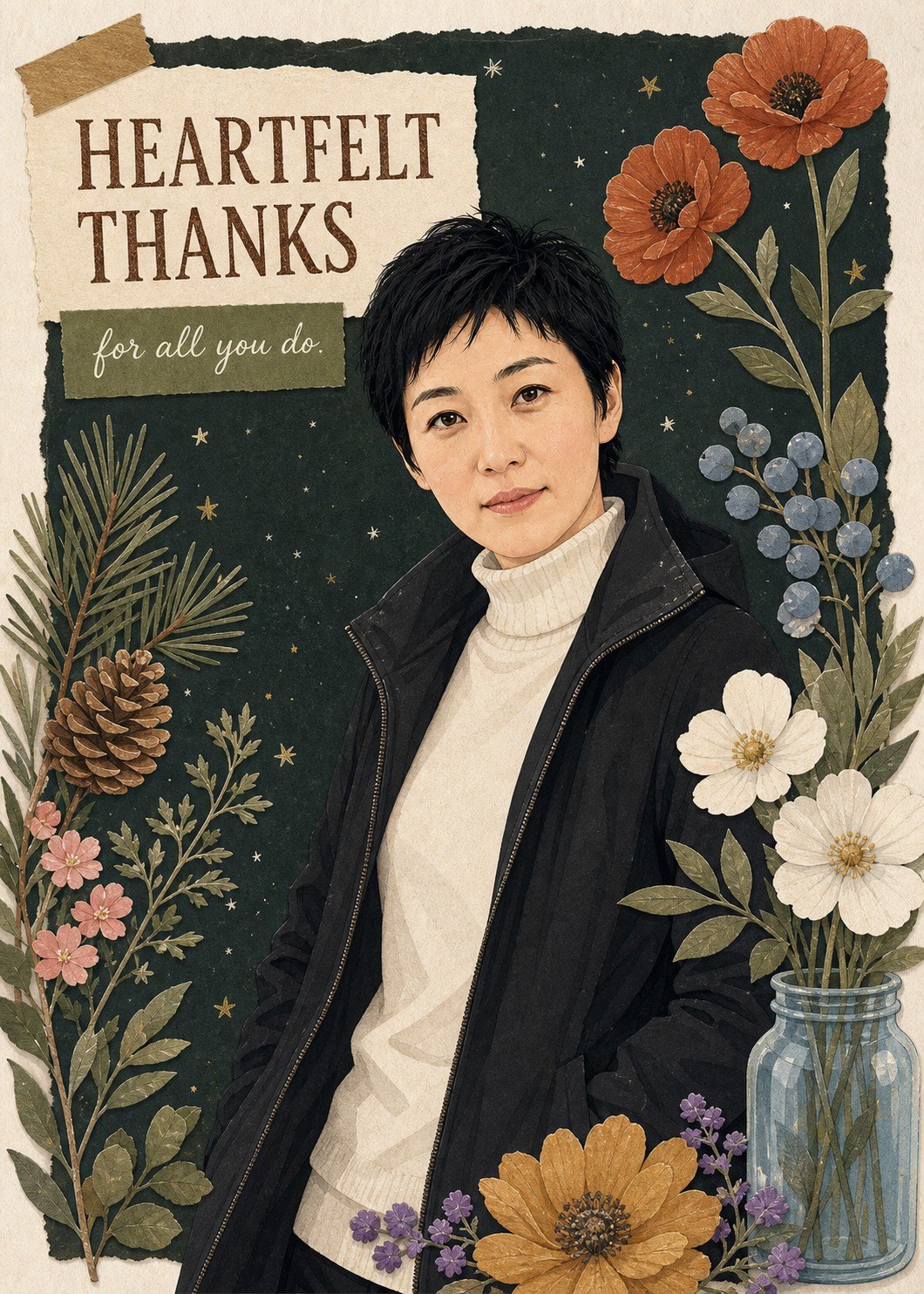
Those three cards gave my friends and me a reason to reconnect. They also helped me see how I could make cards for more people: I could adapt a design that already worked, keeping each card personal without starting from scratch every time. I began to imagine a collection people could choose from, with each finished card made around its recipient. The same paper-craft style appears in Paper Party Birthday in the shop today.
A collection to choose from
Encouraged by those reactions, I began paying closer attention to the ideas people shared on social media. I saved examples of commissioned illustrations and other artists’ work, along with posts explaining their design choices. I also collected AI image prompts and the pictures people made with them. My phone notes gradually filled up with ideas I wanted to come back to.
As the collection grew, it became harder to keep everything organized in my phone notes. I needed a better way to sort through it all and quickly find what I was looking for. I wanted to browse the pictures with the related notes or prompts alongside them, so the images and words stayed together.
These ideas began to shape the website. A visual collection would help me organize the designs and make them easier for other people to choose from. Someone looking for a gift could start with a picture they liked, without needing to describe an illustration from scratch. I could develop the designs and the prompts behind them, then use that preparation to make a card for the person they had in mind.
From a few cards to a shop
By the time I began building the website, I had three or four early card designs that I could adapt for different people. They gave me a place to start, though they still needed work before they were ready for the shop.
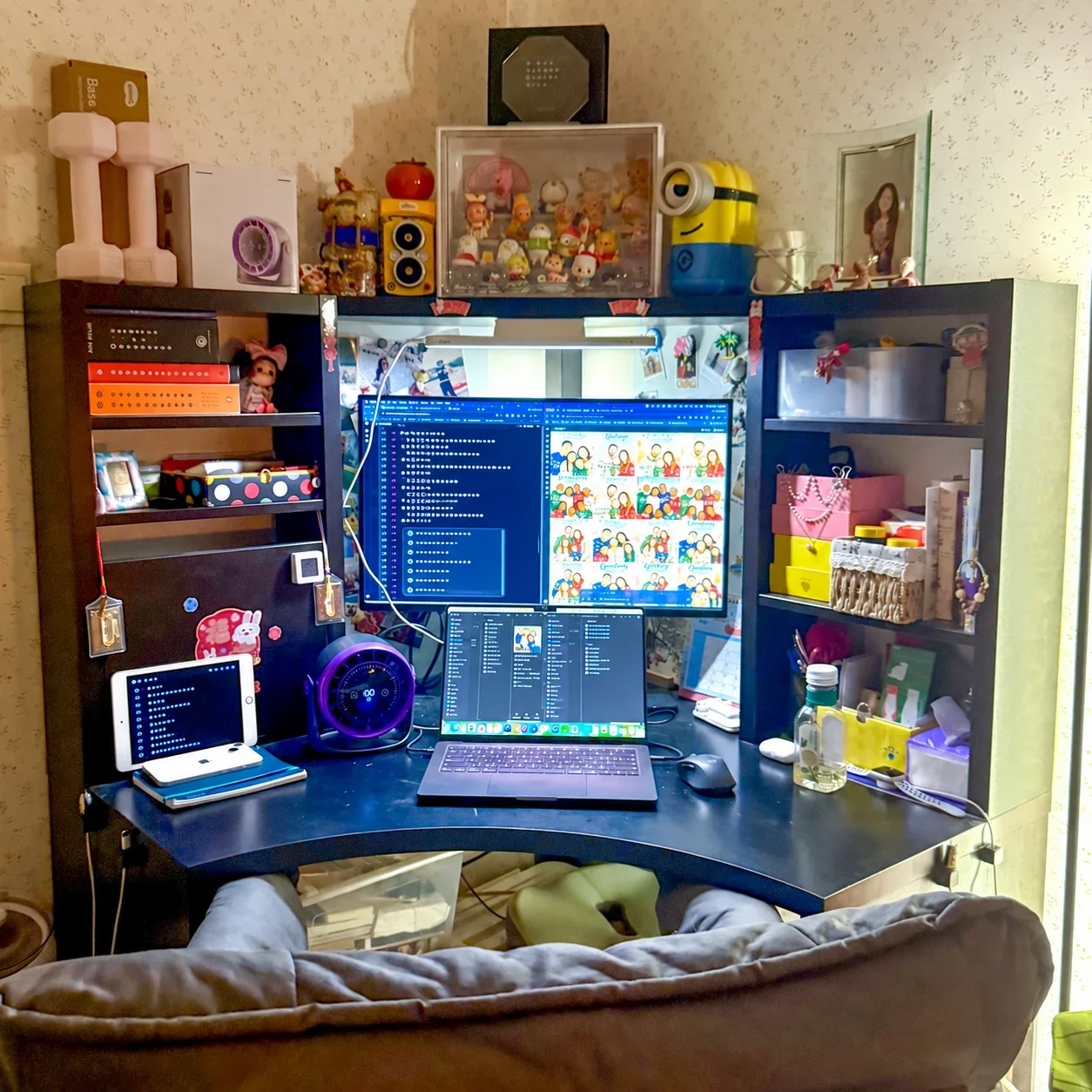
At my desk at home, I worked on how those designs held up with different people and photographs. I needed to understand what should stay consistent, what could change, and whether the person still looked like themselves. Making a few successful gifts was one thing; developing a design someone else could confidently choose took more work. I’ve written separately about how the cards are developed.
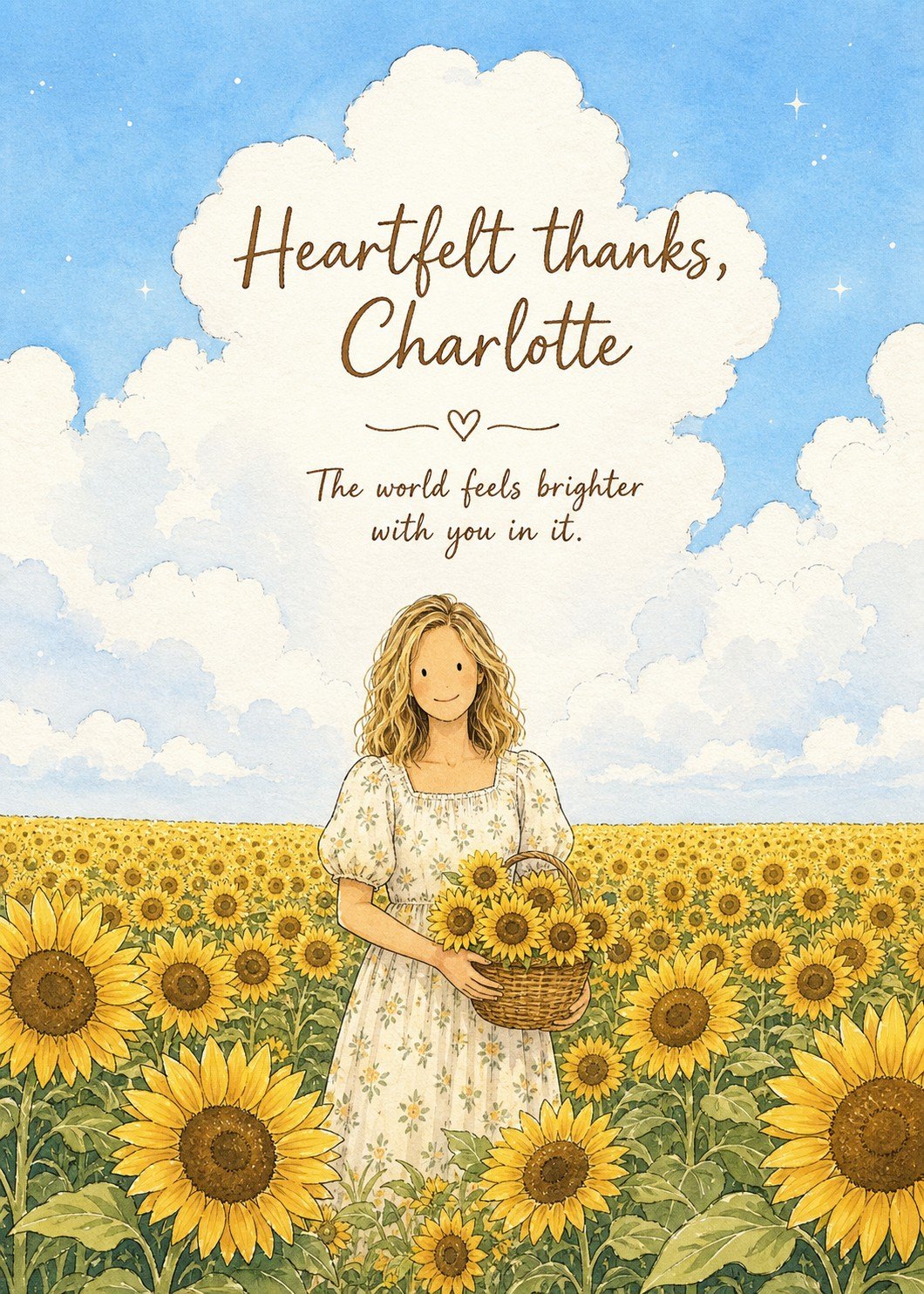
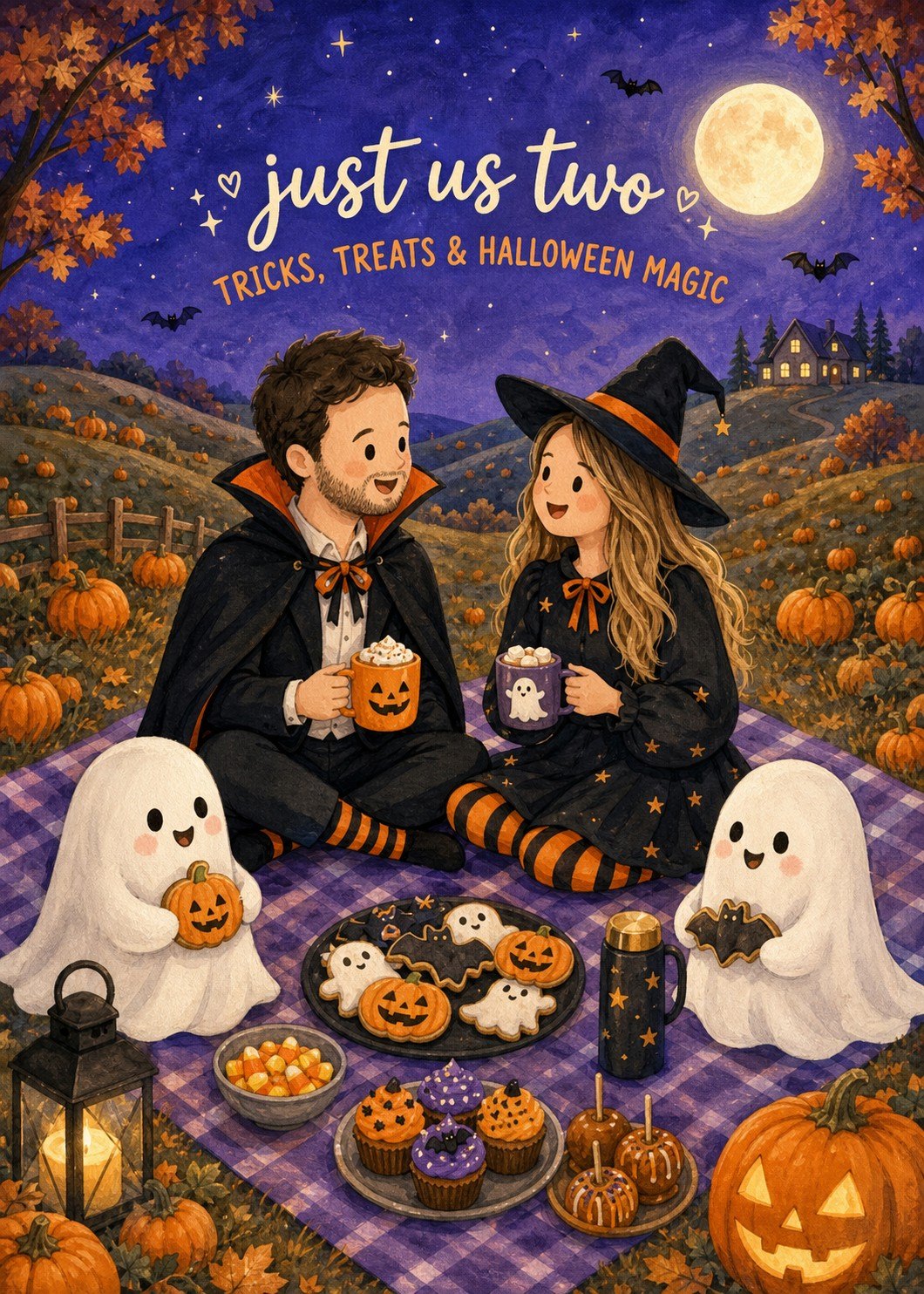
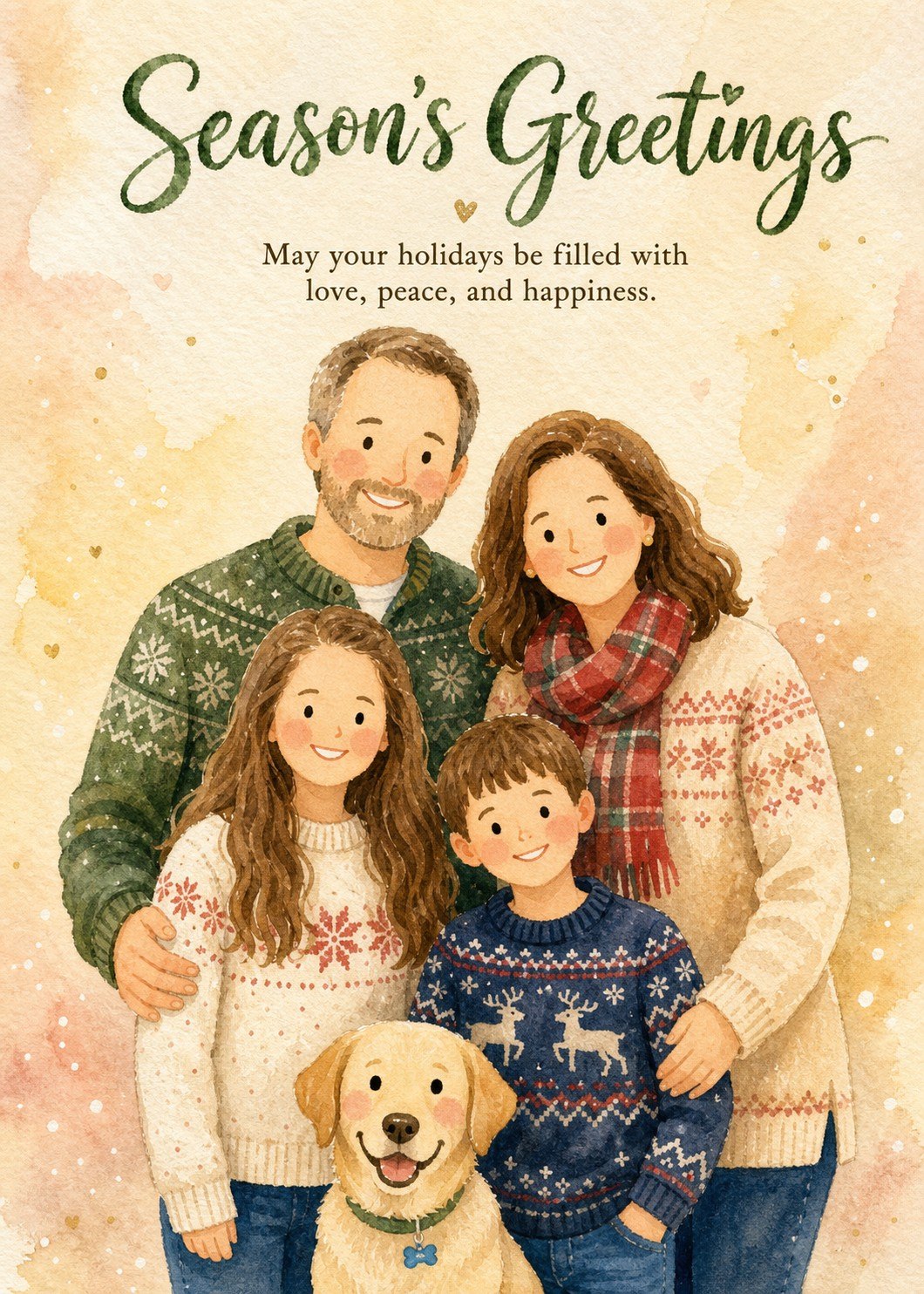
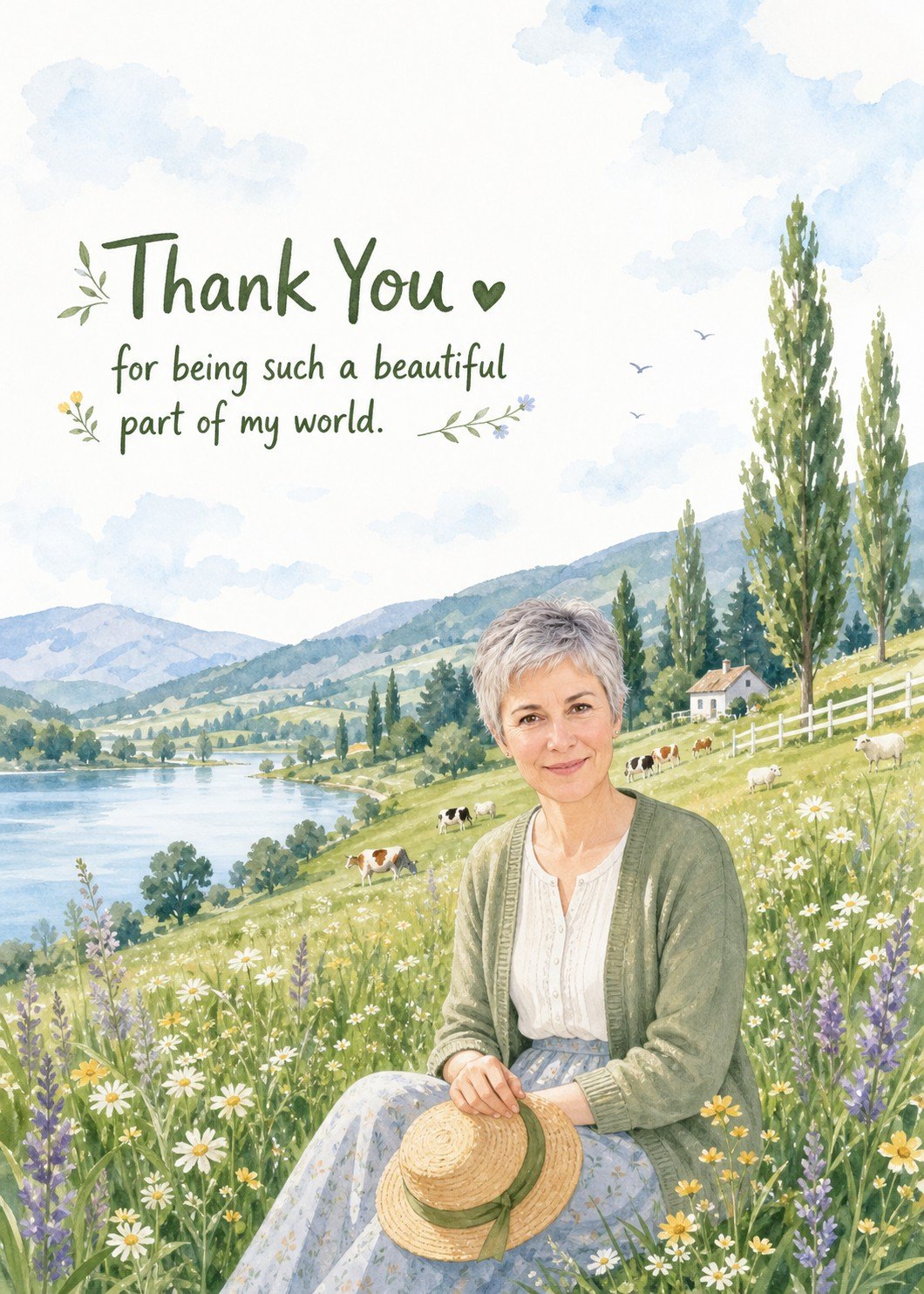
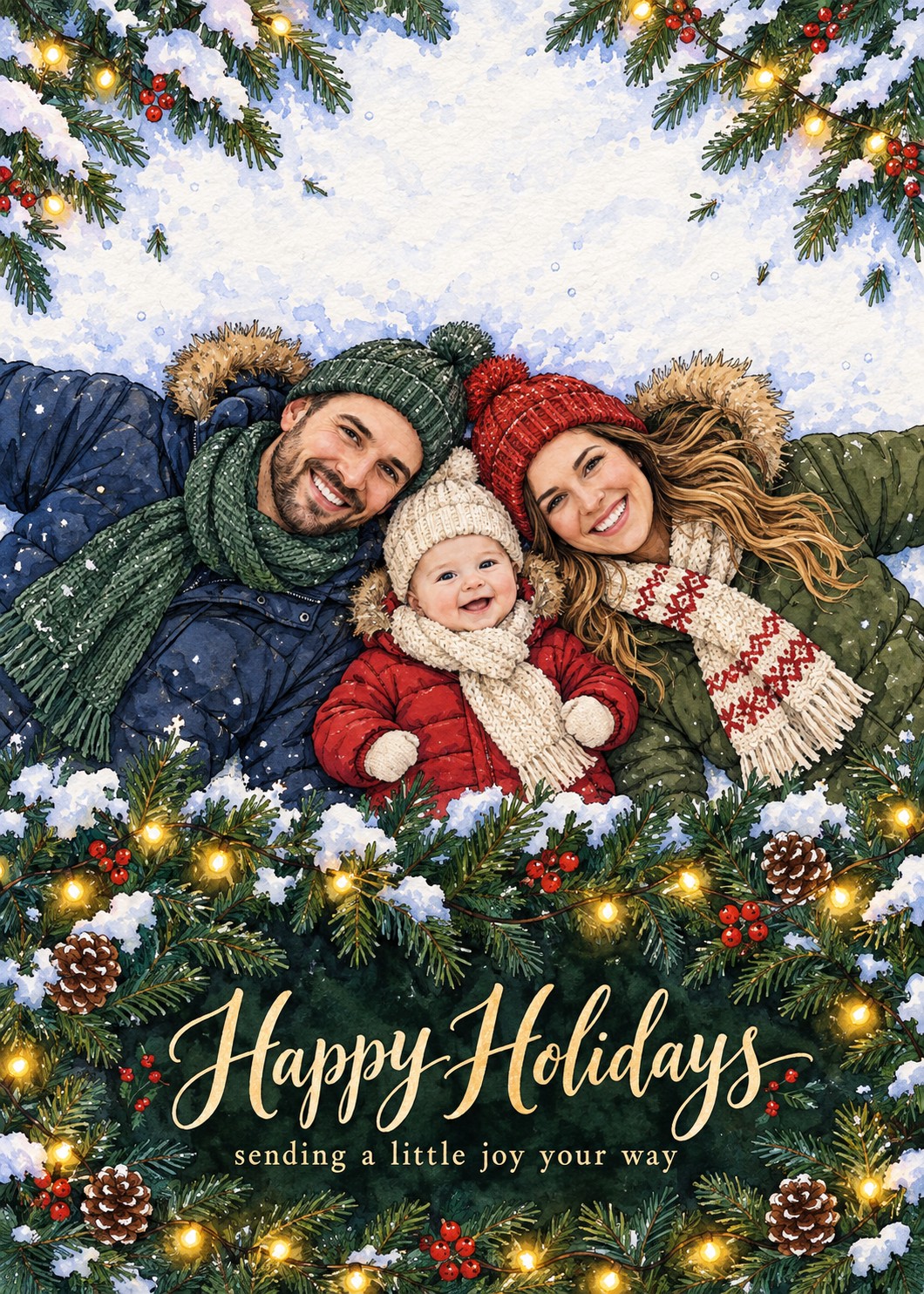
Fond & Fold offers a different route from commissioning an illustration from scratch. You choose a design already developed for the collection and have it made into a digital card featuring someone you care about. My aim is to make a personal illustrated gift accessible for a birthday, a thank-you, or another small occasion, without always needing the budget and planning of a full commission.
I still think about my mom standing in the doorway with her phone. We see each other every day, yet that small greeting gave her a reason to come over smiling. Whether the person you’re thinking of is in the next room or far away, I hope you find a card here that feels right for them and for you.
A card can say “I thought of you” in more than words.