When Making Gets Easier, Choosing Gets Harder
How years around IT infrastructure taught me that having more of anything creates new complexity, and why I came to value simpler choices.
Published
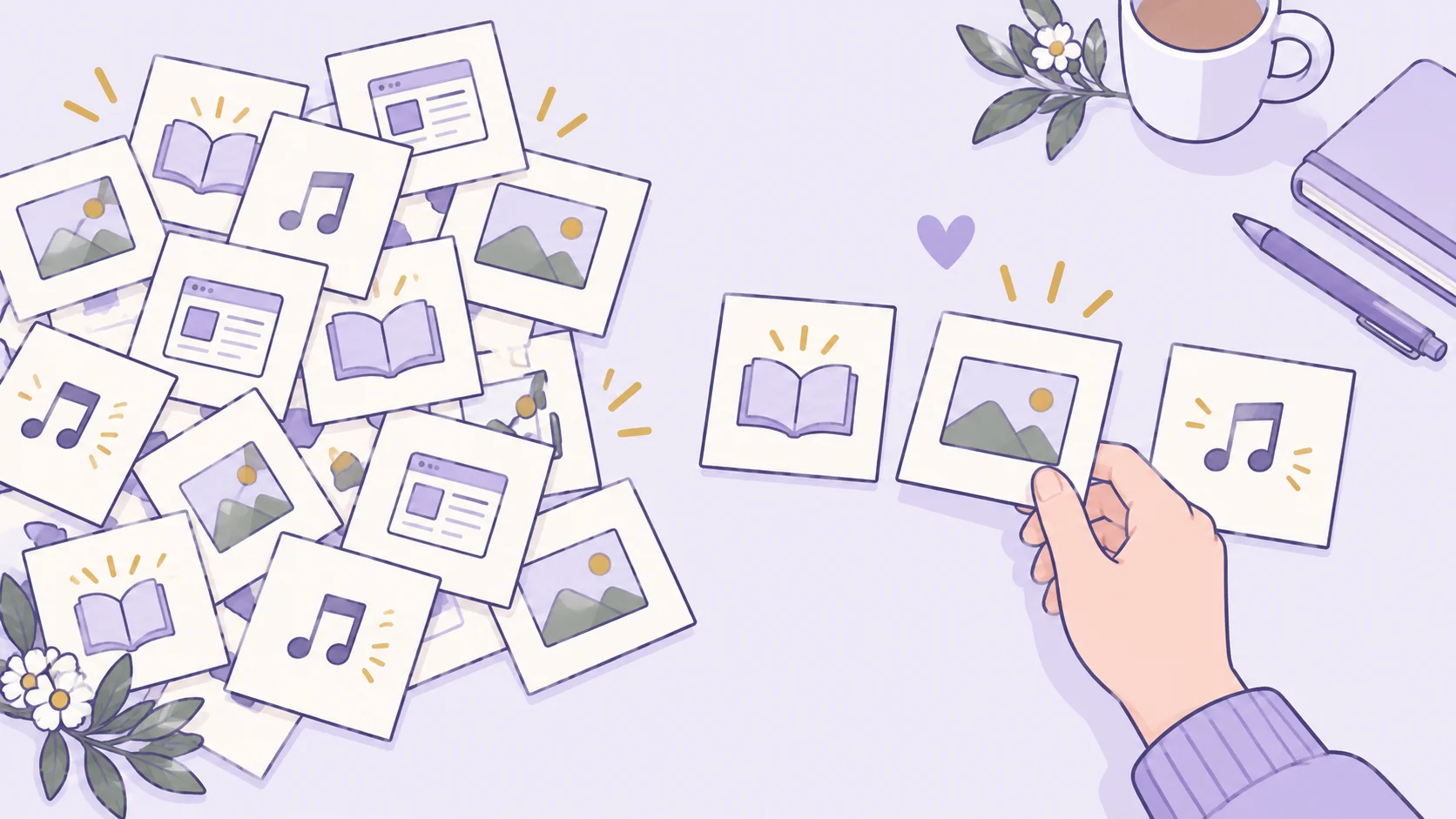
Years of working around IT infrastructure made me curious about what happens when there is suddenly more of something. More services, more data, more moving parts: each one is useful, and together they become hard to keep track of. Some of the most useful products I’ve seen were built for that second problem. They don’t produce more; they help people work with what has already become abundant.
A pattern I first noticed in IT systems
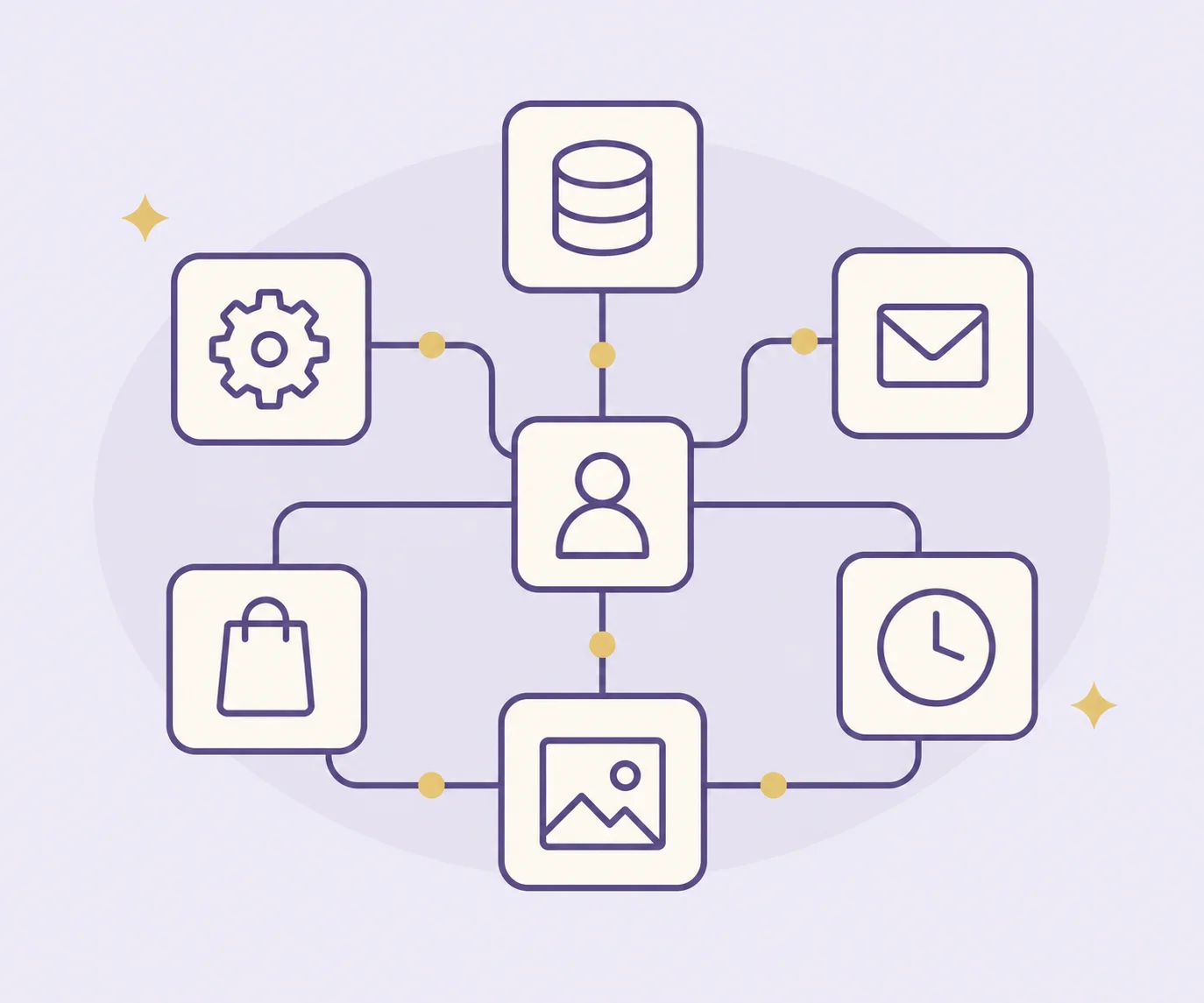
I first noticed this in the architecture of IT systems, while working in marketing for software infrastructure. Microservices were an example I kept coming across. Splitting an application into many small services that can be deployed independently makes it more flexible, but it also means dozens or hundreds of separate pieces now have to be deployed, monitored and kept working together. As the number of moving parts grows, coordinating them becomes serious work in its own right.
That is why orchestration and management software became so valuable. It doesn’t add more services; it keeps the ones a team already has working together. What stayed with me wasn’t the architecture itself. It was the sequence:
More capabilities and production → new complexity → new needs for organization and simplicity → new solutions and products.
Often, the next useful innovation is a way to organize, navigate or manage what the previous one made possible. Once I saw that sequence in software, I started recognizing it far beyond it: wherever something becomes abundant, whatever made it so.
The printing press and too much to read
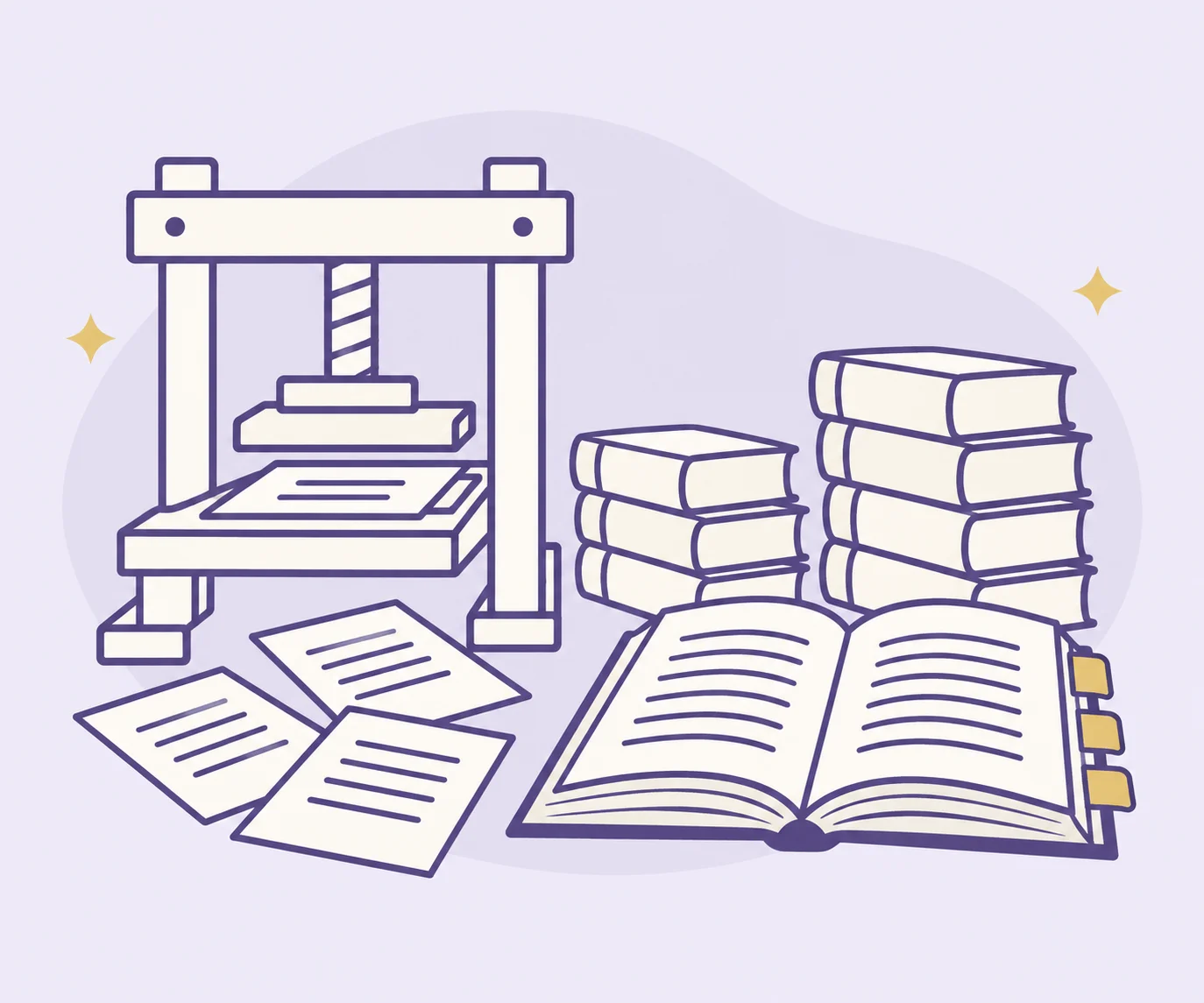
What I saw in IT systems could have been a quirk of one industry. The history of printing shows the pattern is far older. In fifteenth-century Europe, movable type began to change the scale at which writing could be reproduced. Books that once required painstaking copying by hand could be produced in many copies through a repeatable process, and over the following centuries the number of printed works grew dramatically. Knowledge became far more accessible, and scholars met a new difficulty: there was more to read than anyone could get through.
The Harvard historian Ann M. Blair studied how they coped in her 2003 paper Reading Strategies for Coping with Information Overload, ca. 1550–1700. Their answers were wonderfully practical. They read selectively, kept notes and extracts, and relied on reference works and alphabetical indexes to find the passages they needed without reading every page. Some of these habits predated printing, but the flood of books made them far more valuable.
Here the whole sequence is visible, centuries before software. Printing made written knowledge abundant. Abundance made it hard to find what mattered. That difficulty created a need for organization, and indexes, reference works and new ways of reading answered it. Two points, one in my own work and one in the history of the book, already draw a line.
The same pattern, again and again
Once you look for it, the pattern turns up again and again. In 1971, the economist and cognitive scientist Herbert A. Simon captured its core in one sentence:
“A wealth of information creates a poverty of attention.”
Information consumes something finite: our attention. The more information there is, the more valuable anything becomes that helps us decide where to spend that attention. Simon wrote this decades before the internet, and he described exactly the problem it would create.
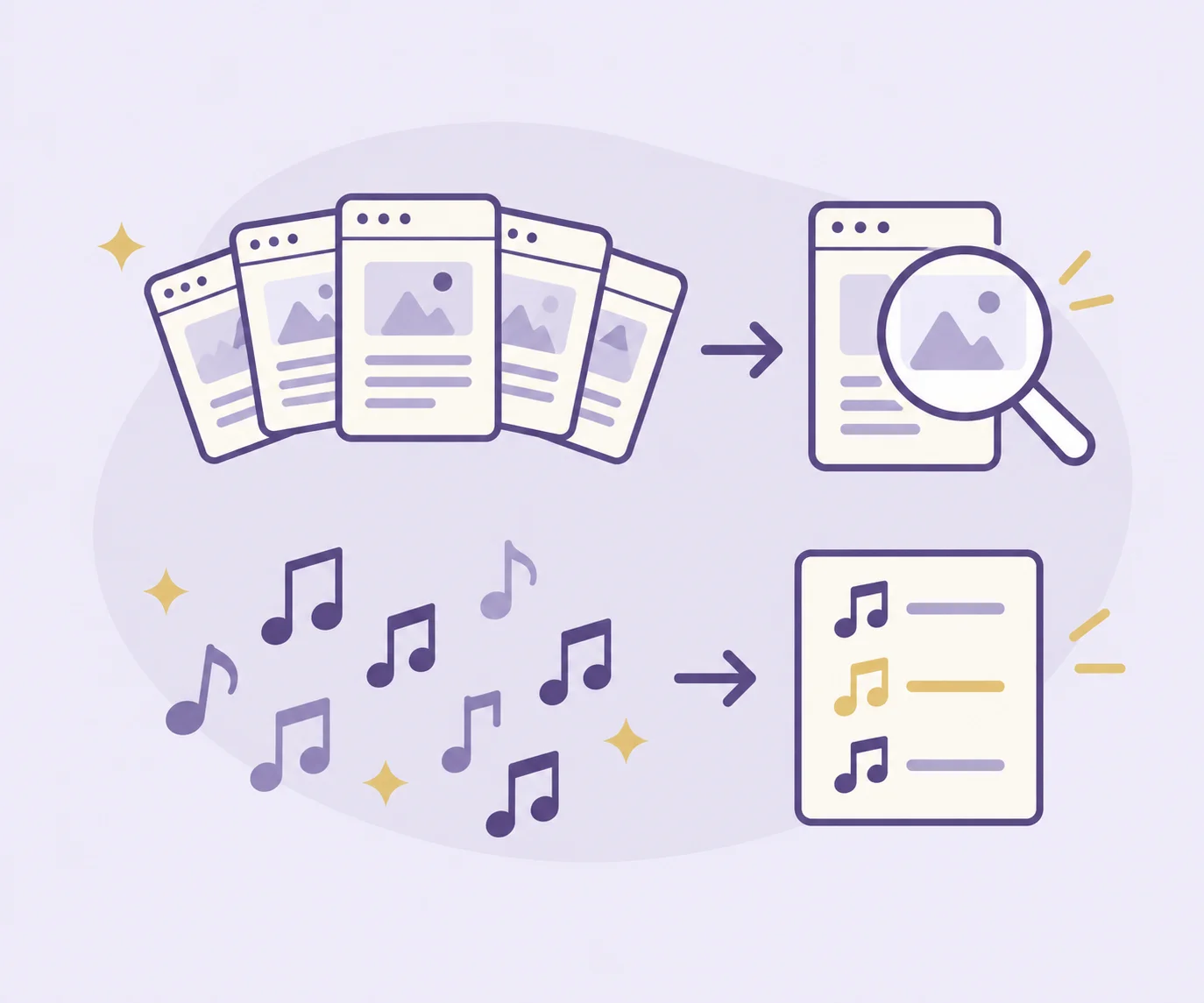
The web made the sequence visible at a new scale. Once publishing a page became free and instant, the number of pages grew into the billions, far more than anyone could browse. Finding the right page became the hard part, and search engines answered it by ranking pages so the most relevant ones came first. Their value lay entirely in helping people choose among what already existed.
Music followed the same path. Streaming put tens of millions of songs within reach of anyone with a phone, a catalog no one could explore song by song. Playlists, mixes and recommendations grew up around that catalog, and for many listeners they became the main way to find something to play. The songs were already there; the new value lay in choosing among them.
The cause was different each time: a printing press, a network, a streaming service. The sequence was the same. Abundance came first, and the next valuable products were the ones that helped people choose.
Abundance makes simplicity valuable
Behind all of these examples is a much older idea. There is a line in Chapter 40 of the Dao De Jing that I’ve always liked:
“Reversal is the movement of the Dao.” (反者道之动)
That is a common English translation, and the line holds several meanings. The one that speaks to me is close to another Chinese saying, “When things reach an extreme, they turn back” (物极必反): carried far enough in one direction, something begins to move the other way.
Abundance follows that movement. As production expands, the work of choosing grows with it, and the more there is to choose from, the more people want a fast, reliable way to reach what is right for them. That is why every wave of abundance is followed by a wave of tools for filtering, organizing and simplifying. The abundance of choices is exactly what makes a simpler choice valuable.
Fond & Fold began with a need for simplicity

Seen through that pattern, my own experience with creative tools makes sense. AI has made producing an image easier than ever, and the abundance shows up twice: in the growing number of tools, and in the endless outputs each of them can generate. I enjoy creative work, and I’ve spent plenty of time with design software, AI image generators and visual inspiration. Yet I can open a photo-editing app or browse a greeting card site and feel overwhelmed before I’ve made a single decision.
Often my goal is simple and ordinary. I want to give someone a thoughtful card that feels right for them. I can usually recognize a design I love the moment I see it. What I don’t want is to invent that design from an empty screen and then compare an almost endless series of alternatives. The freedom to choose anything had turned into the responsibility to evaluate everything.
What I wanted was a new kind of option: simple to use, high in quality and still deeply personal. That wish is where Fond & Fold began, alongside the first cards I made for my mom and friends, which I wrote about in How Fond & Fold Began. It is the same sequence again: abundance created complexity, complexity created a need for simplicity, and that need became a business.
Less is more: governing abundance
That need became the philosophy behind Fond & Fold: less is more. AI supplies remarkable productive power; what we supply is the judgment that governs it. Governing abundance means taking the complexity on ourselves, so that what reaches you is simple. Every “less” in the product stands for something we decided in advance.
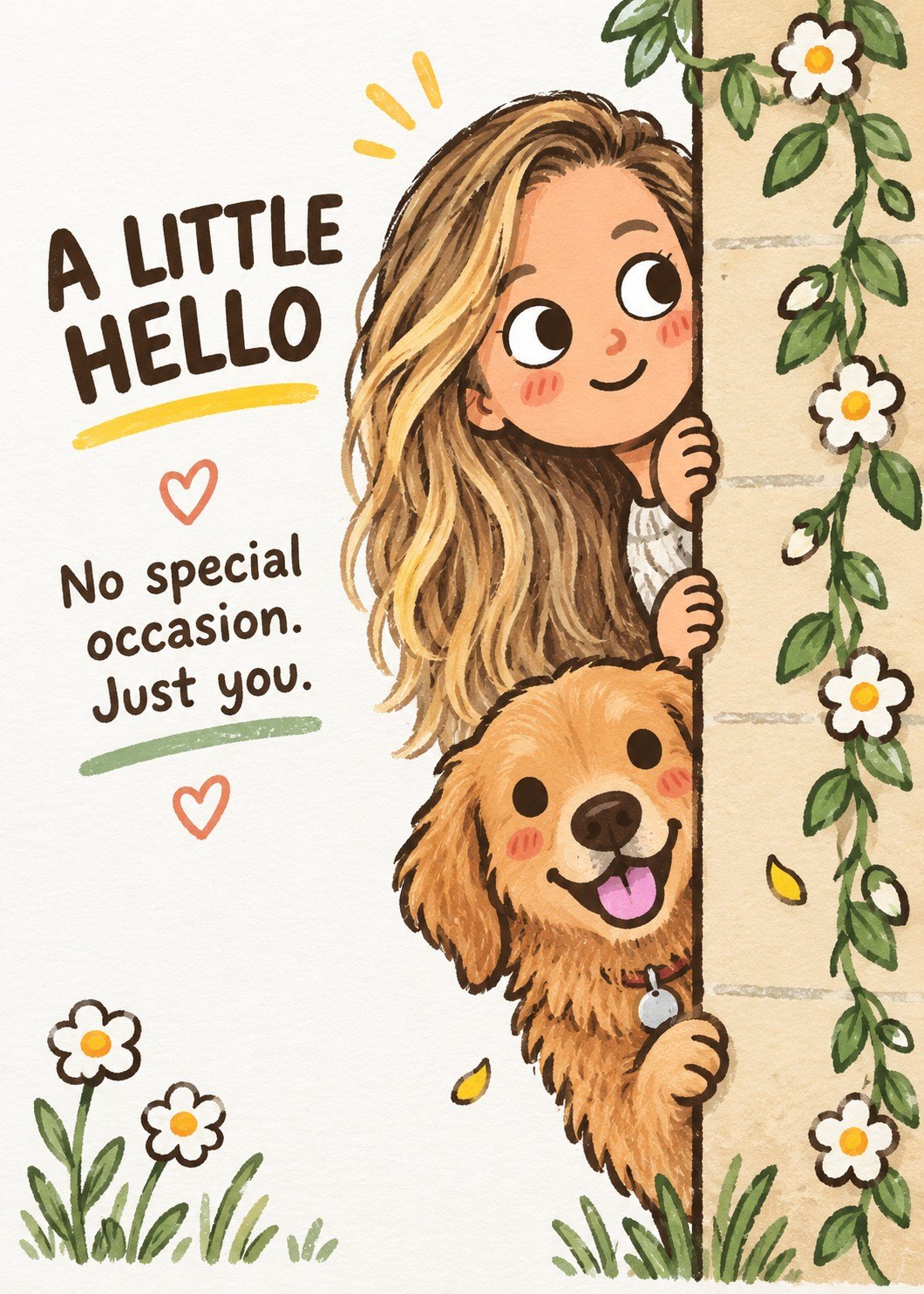
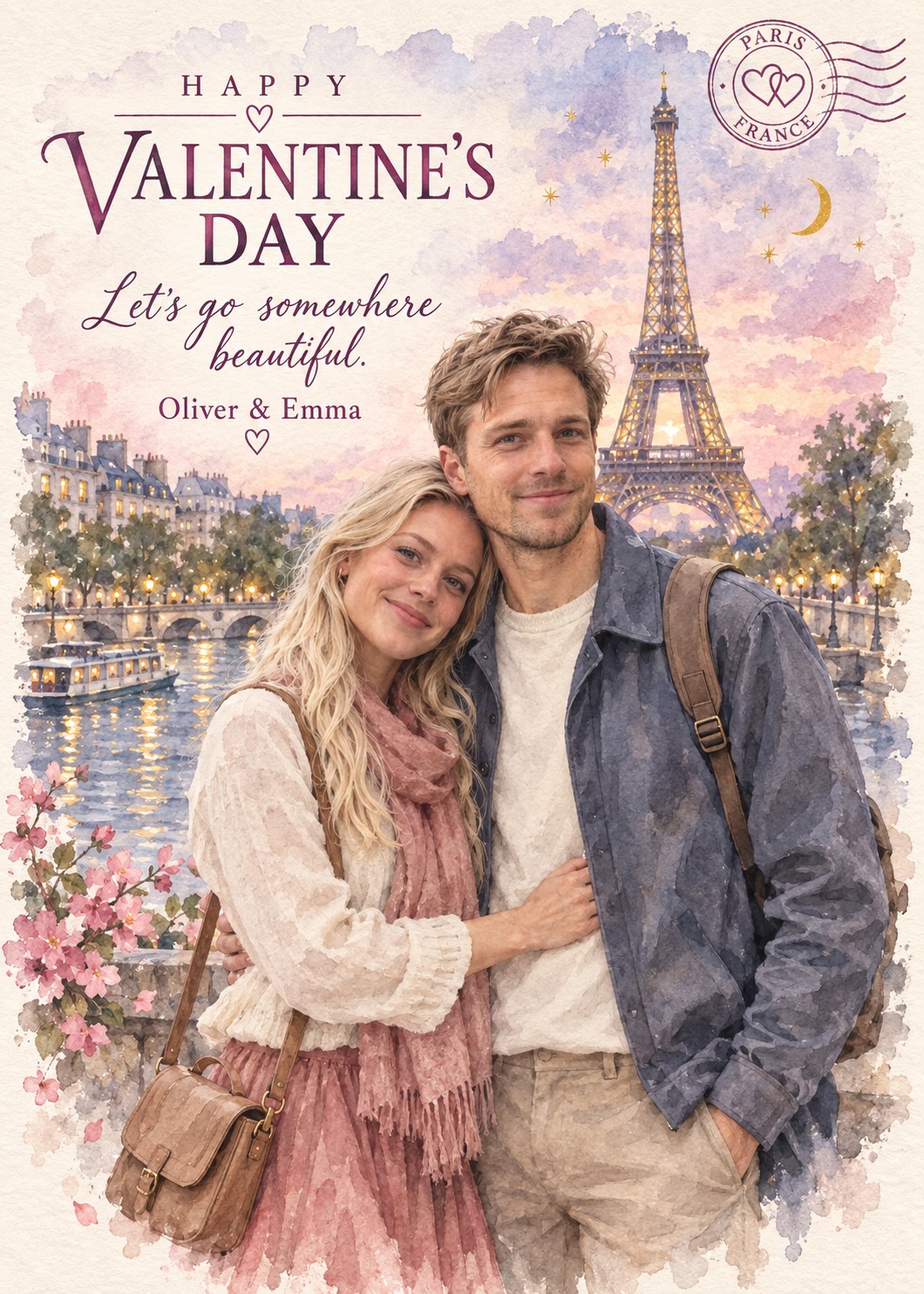
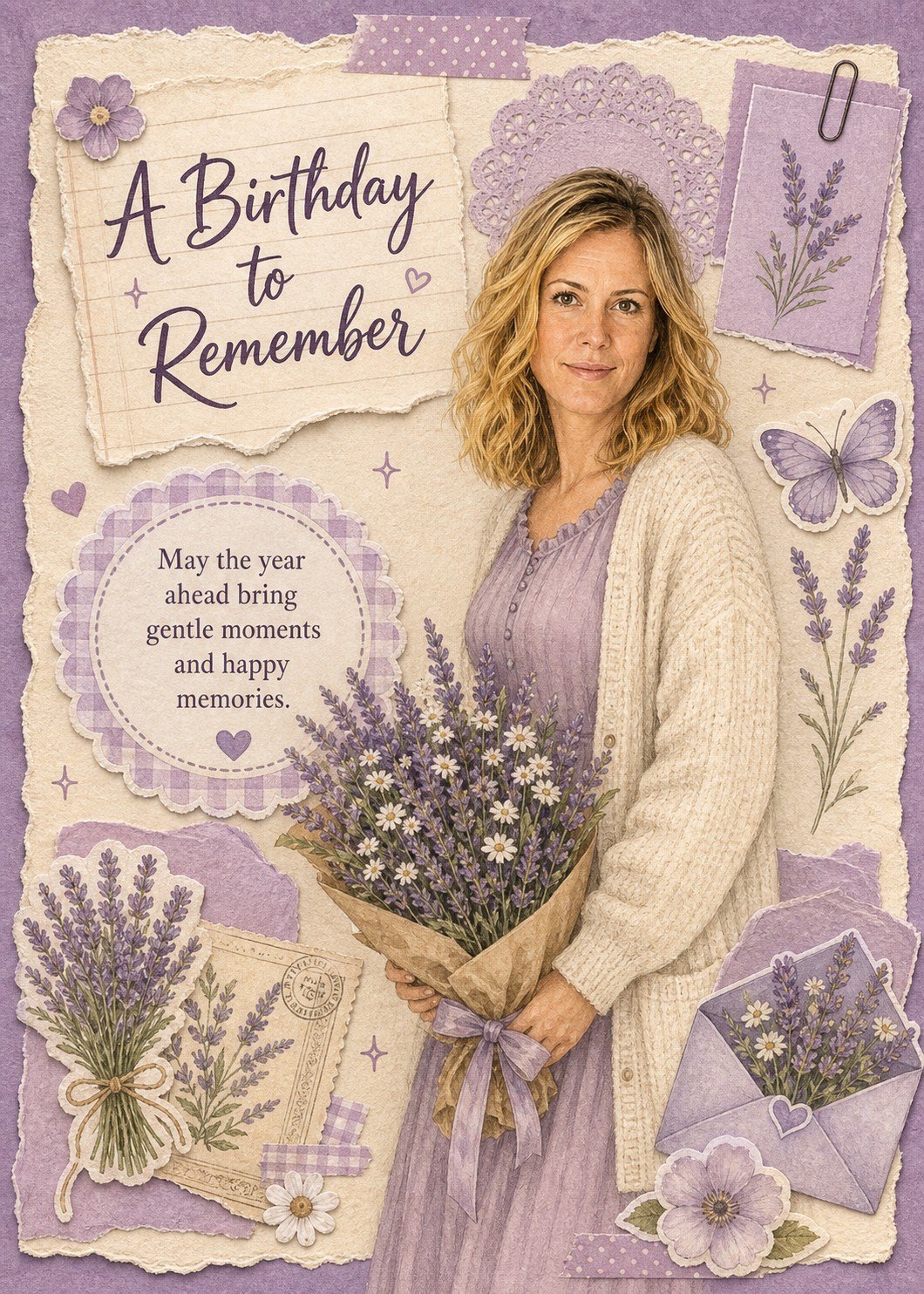
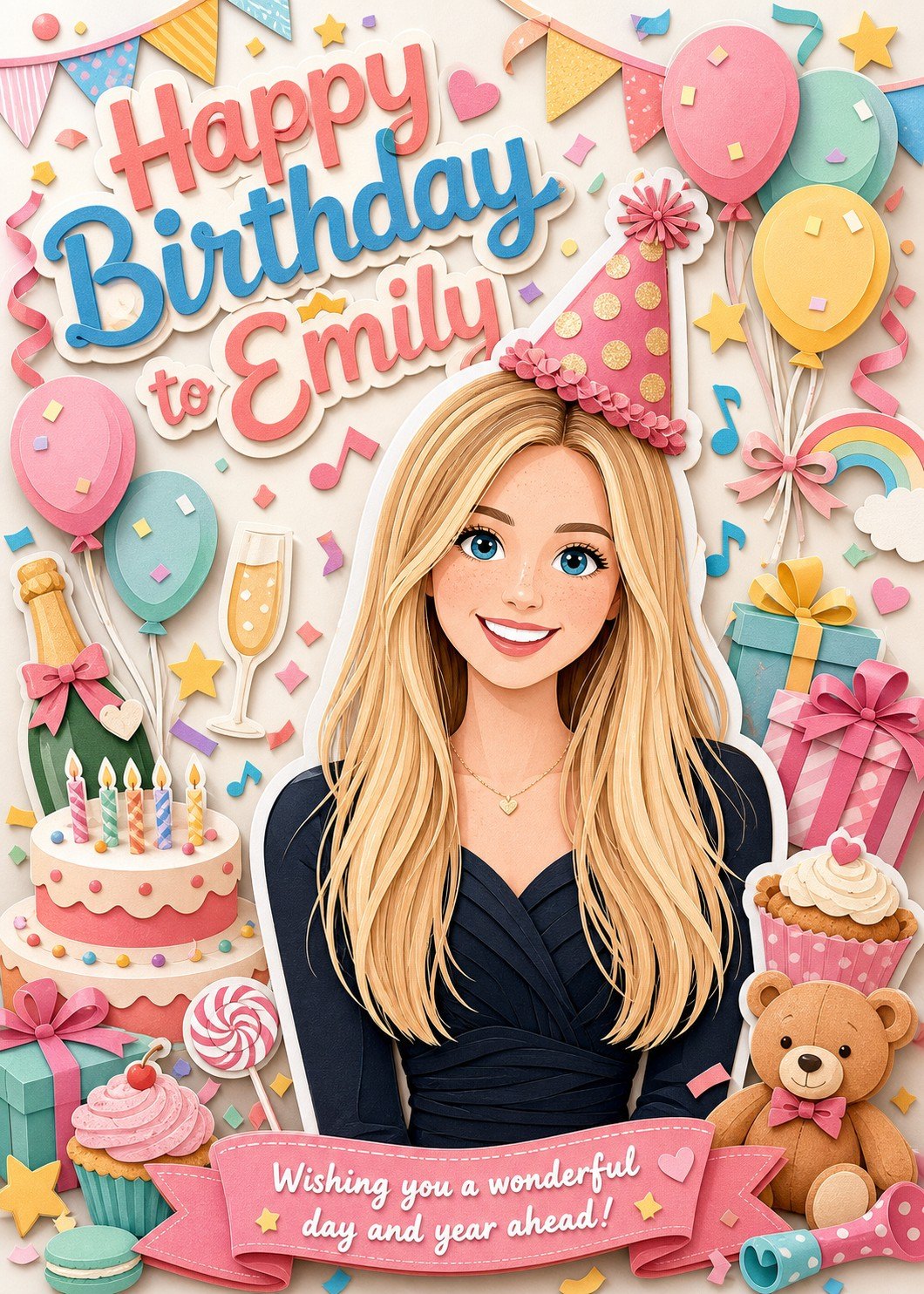
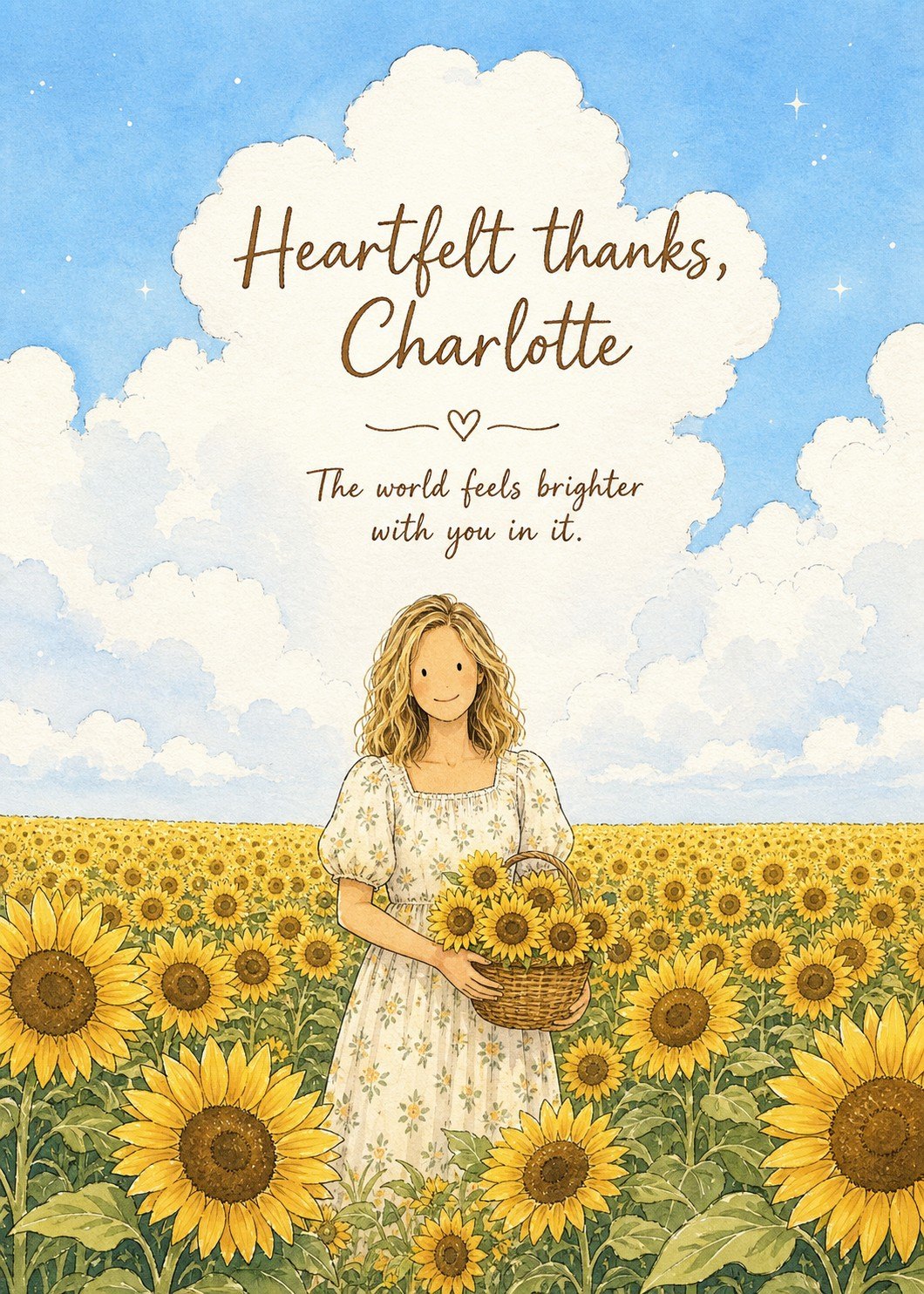
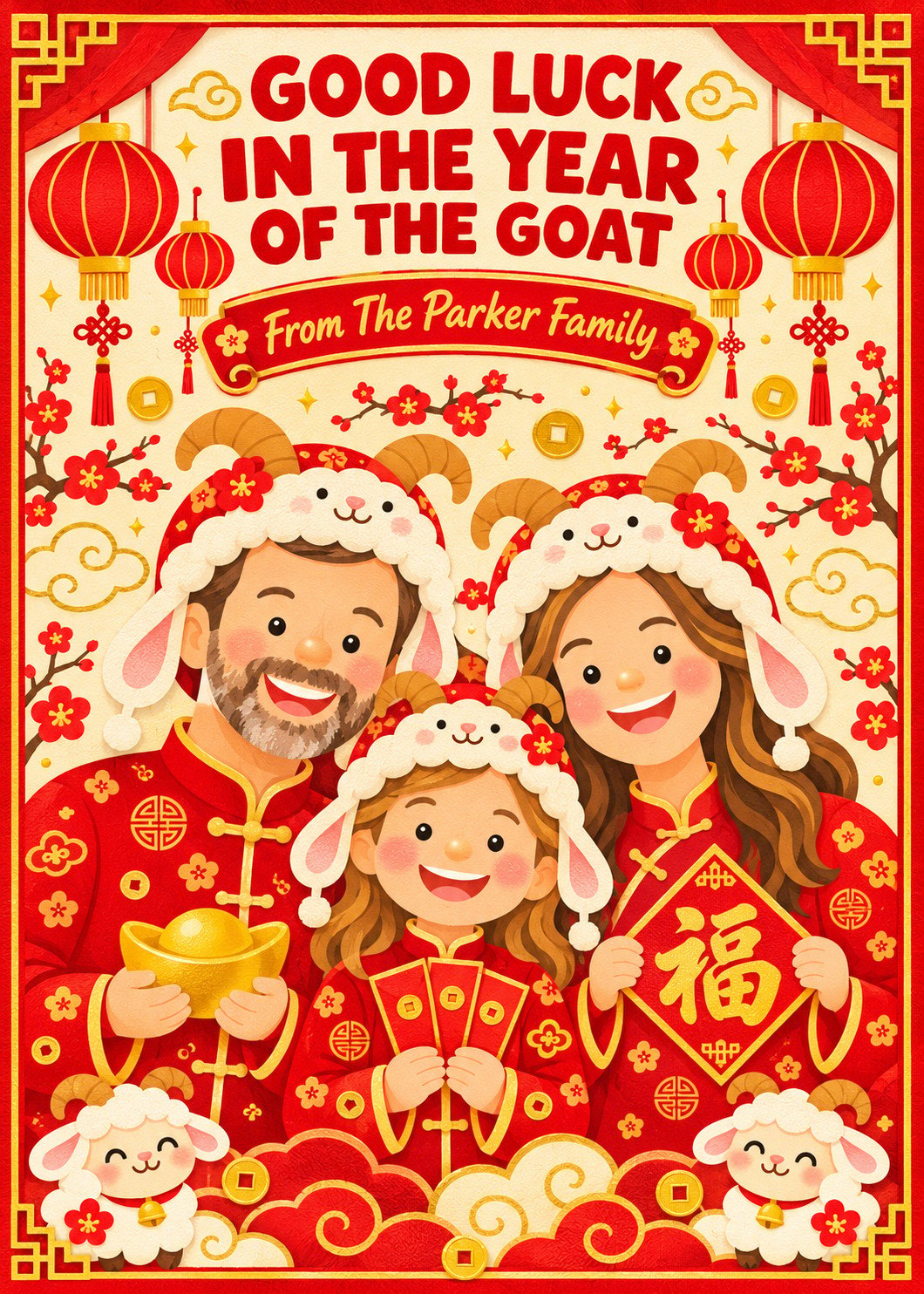
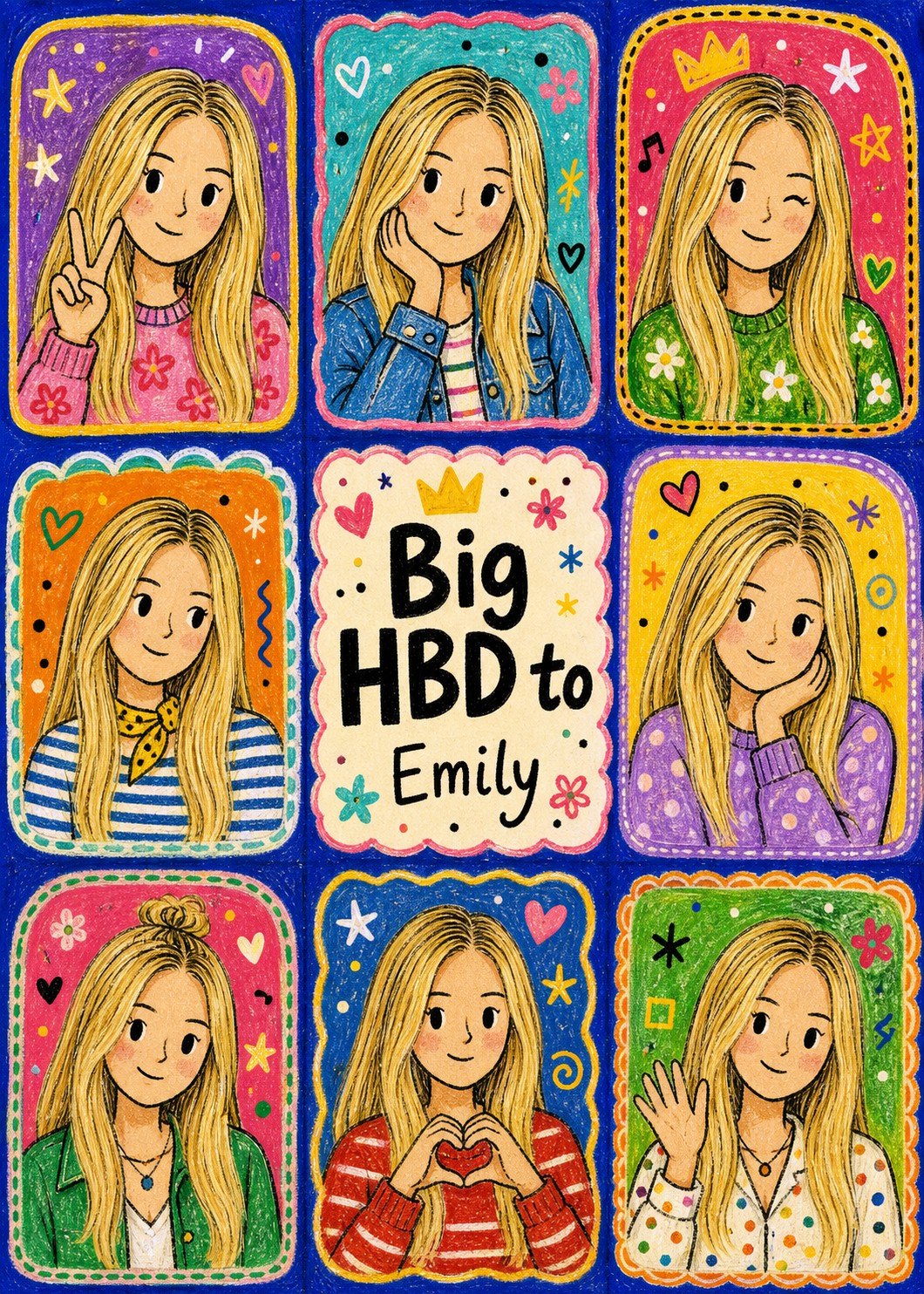
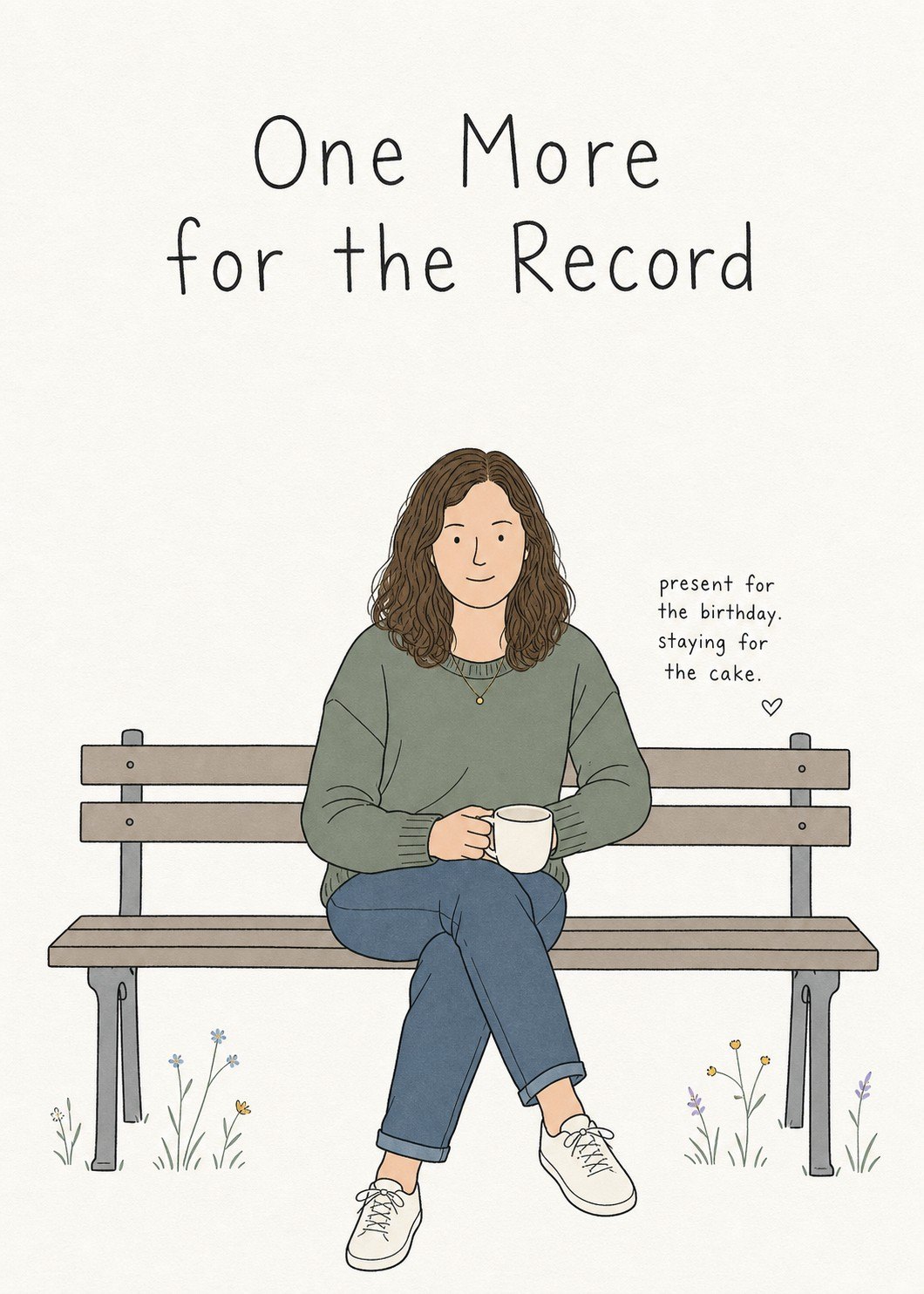
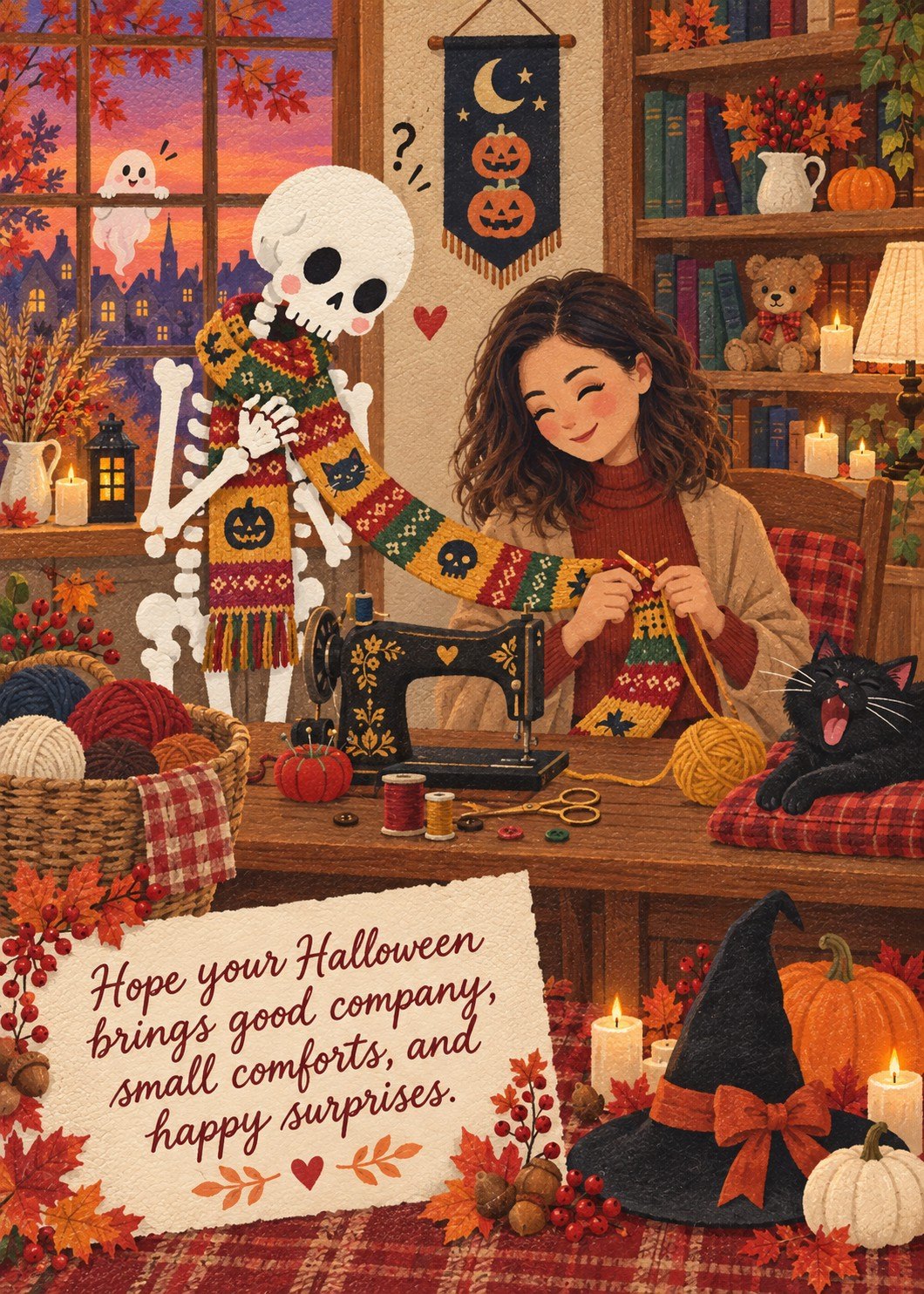
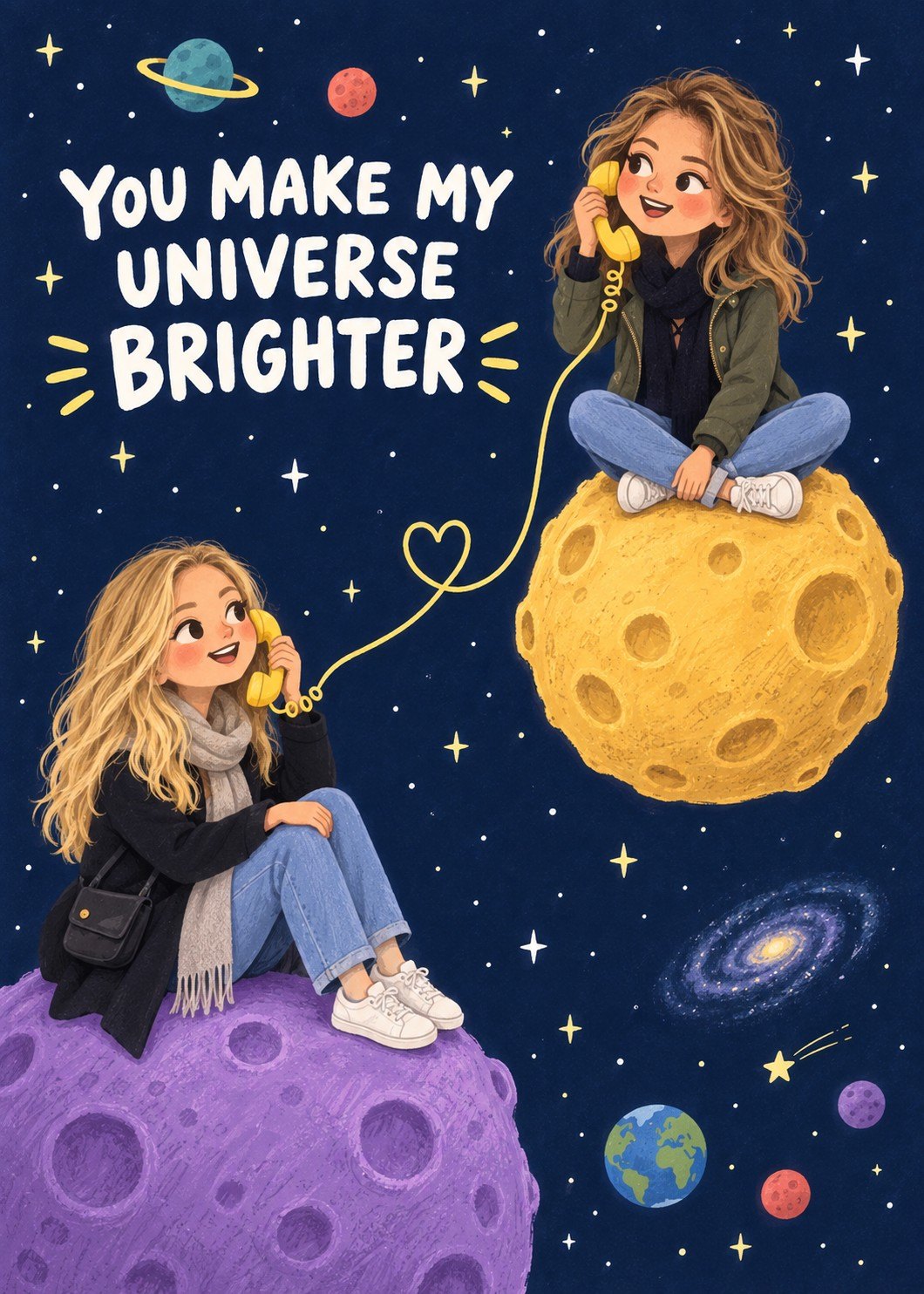
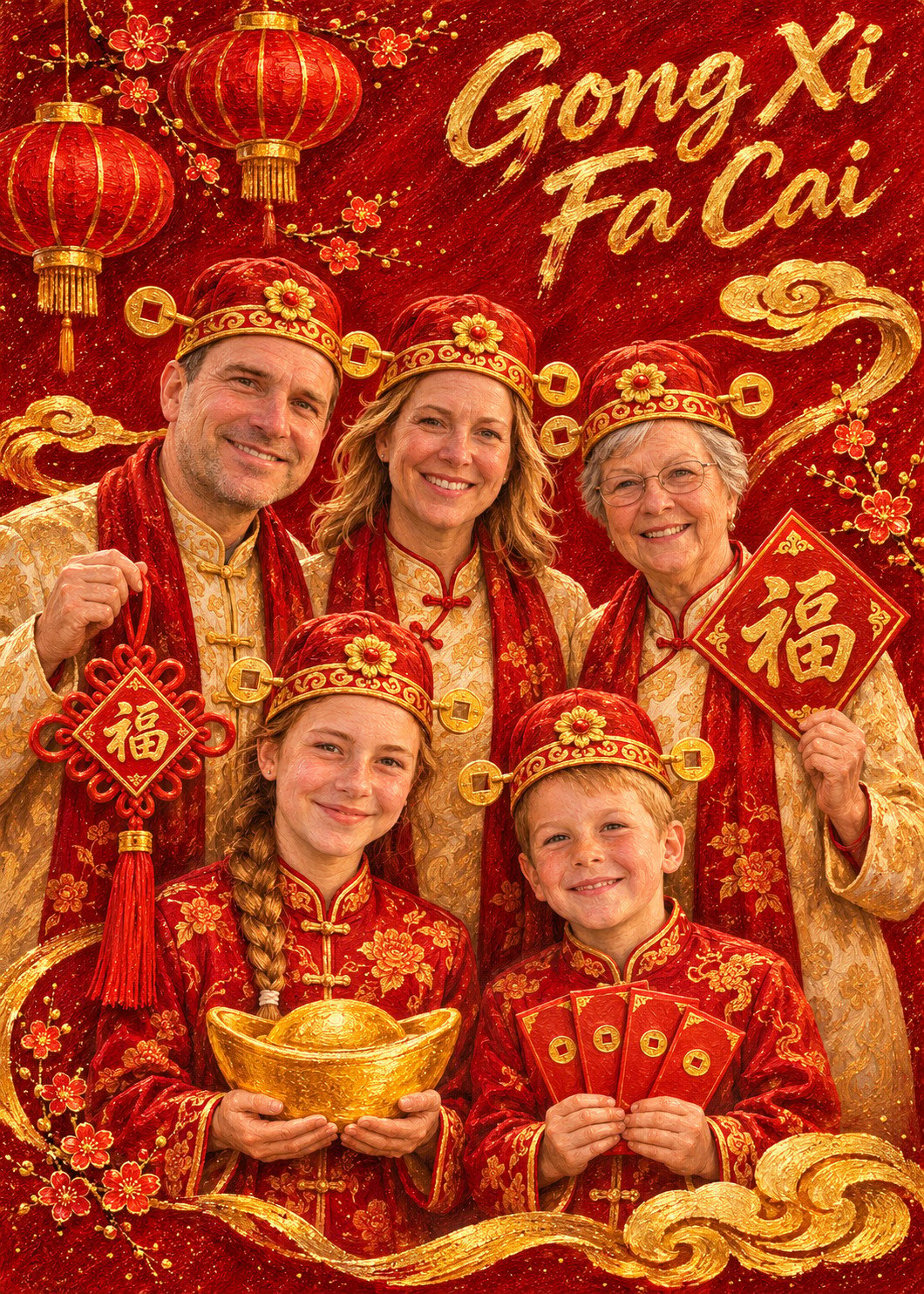
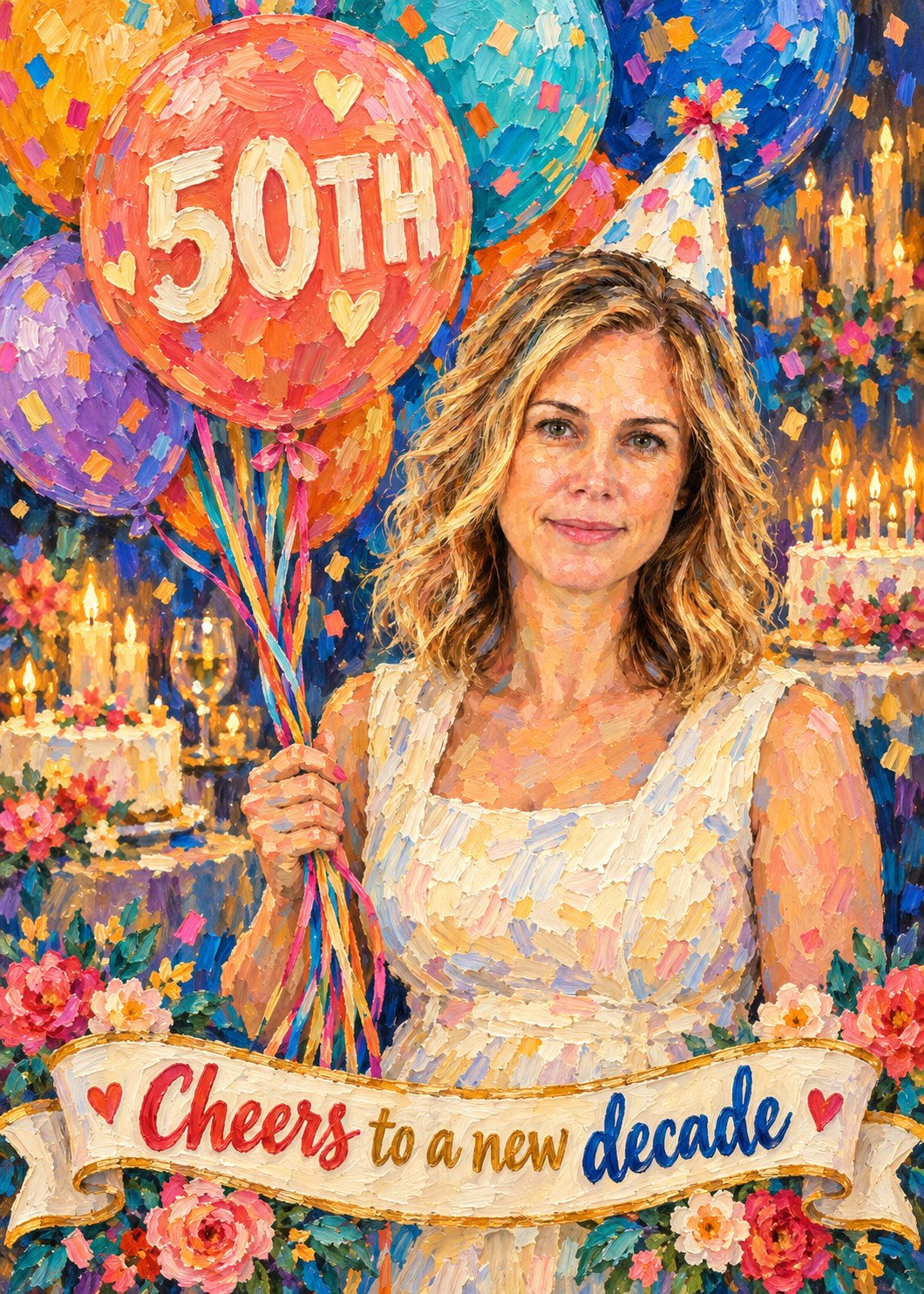
There is no prompt box to fill in. Some personalized-card tools invite you to describe the person, list their interests or add a joke about them, then turn those answers into the image. That gives you more room, but it also hands part of the creative work back to you: in effect, you are writing the prompt. We made the opposite choice. Each card is a finished design whose direction, composition and generation have been worked out and tested in advance, so the result is consistent. The only things you type are names and, if you like, a personal message inside.
The cover wording comes as a few lines written for each design, so you choose one instead of searching for the right phrase. And instead of a marketplace of thousands of templates, the collection holds a few dozen considered designs, such as Christmas Sweater Family, Partners in Crime and Rainy Filmstrip Memories. Sifting through a huge catalog is its own kind of complexity, and a smaller collection lets each design earn its place.

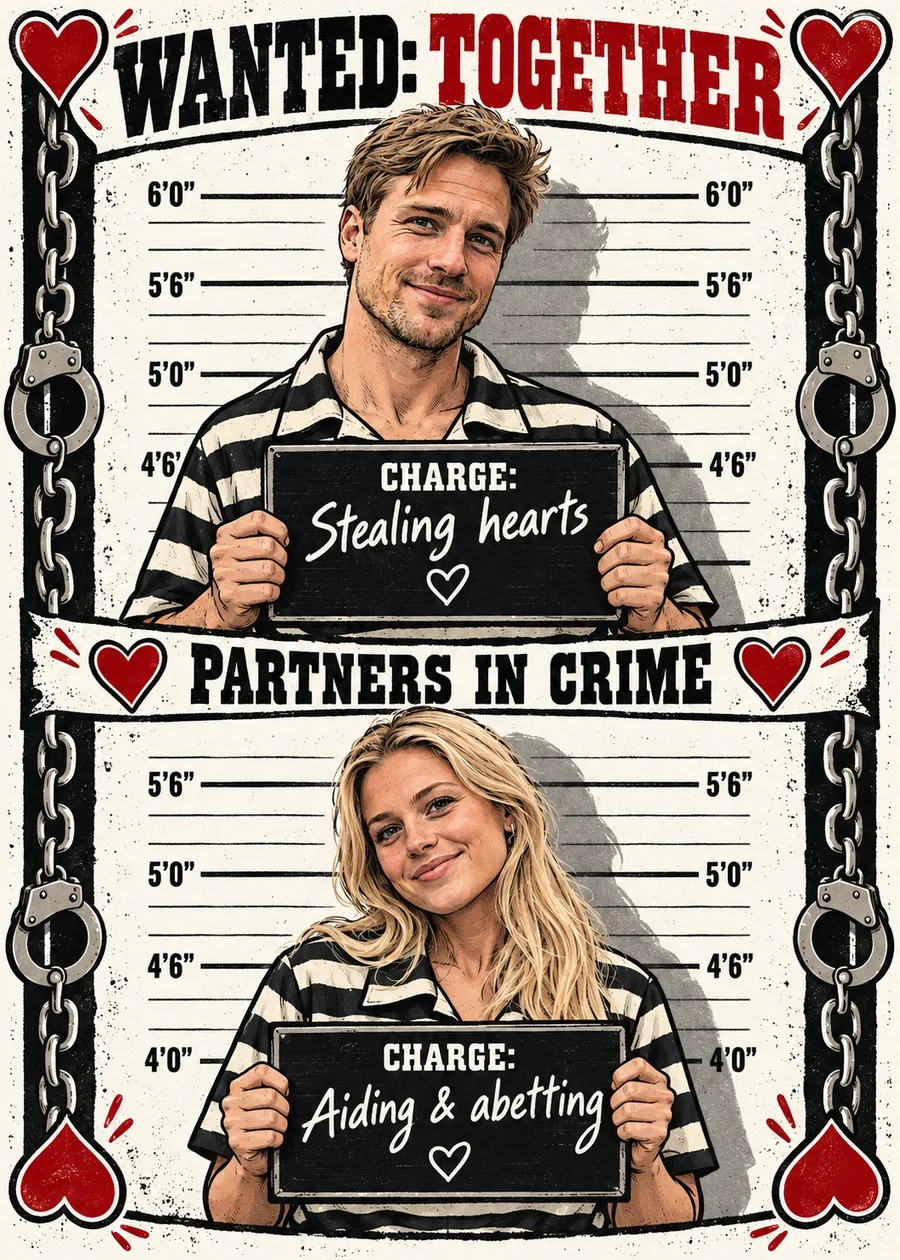
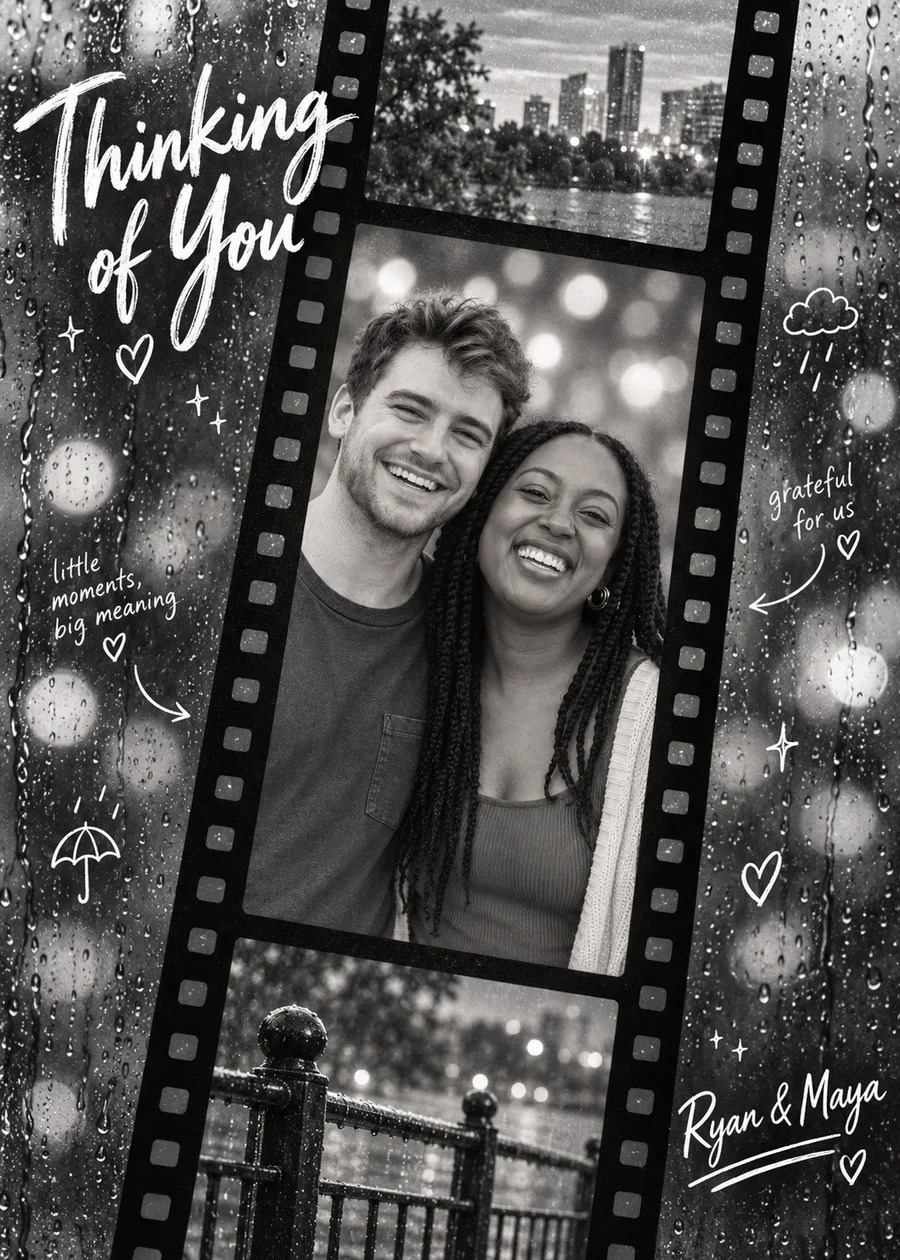



There are no editing tools to learn; the design is already finished, and the free preview shows the card you will receive. Even paying is simple: no generation credits to budget and no subscription to manage. You see your card, and if you love it, you buy it once. Each of these choices removes a decision from your side and adds work on ours.
Anyone Can Press the Button is about why that judgment matters when everyone has the same tools. This essay is about what it gives back: less to navigate, and more room for what is personal.
In an age of abundant production, Fond & Fold’s value lies in governing it: the taste, the selection and the many decisions made before a card reaches you, so that choosing one feels simple. Less is more here in a precise sense: more thought behind the scenes, and less effort in front of them.
The person who receives the card won’t see the designs we set aside or the questions already answered. They’ll see someone familiar inside a little world chosen with them in mind. That is the kind of simplicity we care about: the result of thought applied in the right place.
The freedom to make anything matters. So does the freedom not to decide everything.